
What does “100 Hyaluronic Acid” actually mean? The phrase sounds precise, but it is not a universally regulated description. It may refer to a product’s main moisturizing ingredient, a concentrated formula, or simply a marketing name. It does not automatically mean pure hyaluronic acid or guarantee stronger hydration. It sounds simple. It is not.
Hyaluronic acid is a humectant that attracts water and helps the skin feel smoother and more comfortable. Its performance depends on molecular size, concentration, supporting ingredients, and the condition of your skin barrier. Larger molecules mainly sit near the surface, creating a soft, hydrated feel. Smaller forms may reach deeper layers of the outer skin, although “deep penetration” claims deserve careful evaluation. Sodium hyaluronate is another commonly used form, not necessarily an inferior one.
This guide will examine what 100 Hyaluronic Acid means, how different types work, and which option may suit dry, oily, sensitive, or dehydrated skin. Look closely at the ingredient list, not only the front label. A useful serum may also contain glycerin, panthenol, or ceramides. Apply it to slightly damp skin, then seal it with moisturizer. Otherwise, the surface may feel tight in dry air. That detail is easy to overlook. Patch testing remains sensible, especially when fragrances or multiple active ingredients are included. Evidence supports hyaluronic acid as a practical hydrating ingredient, but results vary. Better marketing does not always mean better skincare.
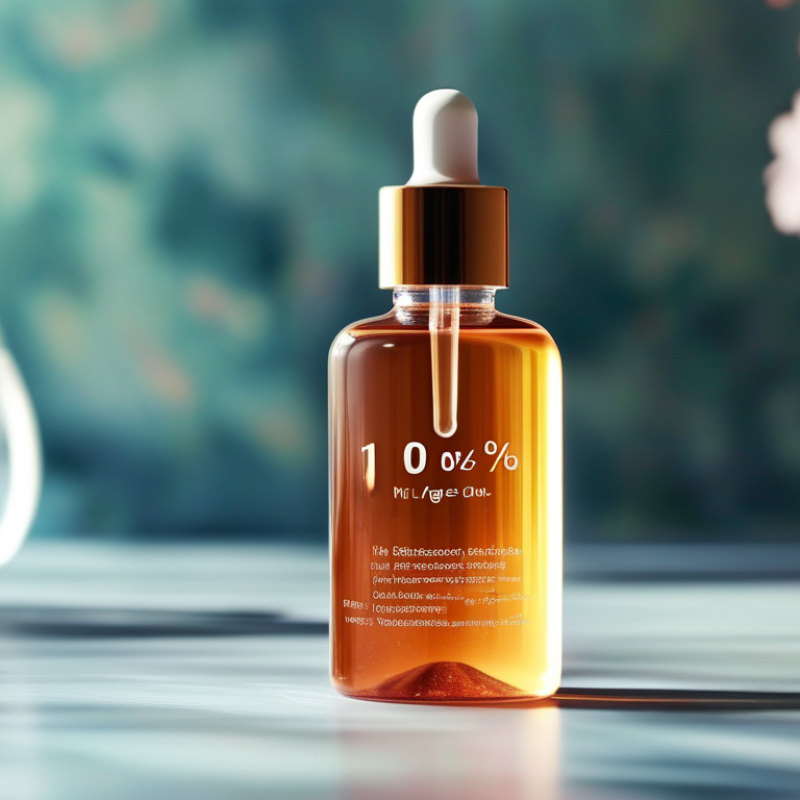
100% hyaluronic acid usually describes a product centered on one moisturizing ingredient. It does not mean your skin receives pure acid without water or other supporting materials. In practice, hyaluronic acid is often combined with water, preservatives, or different molecular forms. The ingredient is a humectant, so it attracts water and helps the skin feel softer and more flexible. It is not an exfoliating acid. The name can sound stronger than it is.
Molecular size matters. Larger molecules mainly remain near the skin’s surface, while smaller forms may reach deeper layers of the outer skin. However, “smaller” does not automatically mean better. A well-formulated product should feel comfortable and reduce tightness without causing stinging. Research supports hyaluronic acid for improving temporary hydration, but results vary with concentration, climate, and your skin barrier. I have found that applying it to slightly damp skin works better than using it on completely dry skin. Still, this is not universal.
Tips: Apply a small amount after cleansing, then use a plain moisturizer to reduce water loss. Start once daily. If dryness or redness appears, use less often and stop if irritation continues. Check the ingredient list carefully, because “100%” can describe marketing language rather than the entire formula. Pure-sounding does not always mean superior. A dermatologist can help when persistent sensitivity, eczema, or unexplained dryness is present.
Common types include high-molecular-weight, low-molecular-weight, hydrolyzed, sodium hyaluronate, and cross-linked forms. High-molecular-weight HA forms a light film on the skin’s surface. Low-molecular-weight HA is smaller, but it does not automatically travel deeply. Hydrolyzed HA contains smaller fragments. Sodium hyaluronate is a salt form that often feels less sticky. Cross-linked forms are more structured and usually belong in professional treatments.
It usually describes a concentrated formula or marketing position. It does not guarantee a regulated purity level. The ingredient list gives better information. Molecular size still matters. The label may sound stronger than the evidence.
A multi-weight formula may support different surface hydration needs. Apply it to slightly damp skin. Use a moisturizer afterward. This helps reduce evaporation. Very dry air can still cause tightness. That part is easy to underestimate.
Oily skin may prefer a lightweight gel. Low- or medium-molecular-weight forms can feel less heavy. Choose fewer extra ingredients if breakouts or irritation occur. Use only a small amount. More product is not always better.
Sensitive skin often benefits from a simple, fragrance-free formula. Larger HA molecules may create a gentle surface film. Avoid formulas with many active ingredients at the beginning. Patch test before regular use. Stop if burning continues.
Clean the skin, then leave it slightly damp. Apply two or three drops. Follow with a simple moisturizer. Avoid applying it to completely dry skin in heated rooms. Otherwise, temporary tightness or flaking may appear. I once added extra layers. It backfired.
It can, although many people tolerate topical HA well. Irritation may come from the complete formula, not HA alone. Preservatives, acidity, or fragrance can matter. Dry air may make the skin feel tighter. Stop using the product after swelling, itching, or persistent redness. Skin comfort matters more than a dramatic label.
Apply a small amount behind the ear or on the inner forearm. Repeat the test for several days. Watch for burning, swelling, itching, or lasting redness. Do not apply it to broken skin. Keep it away from the eyes. Patch testing is useful, but not perfect.
100 Hyaluronic Acid refers to a skincare ingredient centered on hyaluronic acid, a naturally occurring substance that helps attract and retain moisture in the skin. It works mainly as a humectant, drawing water toward the skin’s surface and supporting a smoother, softer, and more comfortable appearance. However, hyaluronic acid is available in different molecular sizes. High-molecular-weight forms tend to stay closer to the surface and provide a moisturizing, plumping feel, while smaller forms may penetrate more deeply into the outer layers and offer lightweight hydration.
The best type depends on individual skin needs. Dry or dehydrated skin may benefit from a formula combining multiple molecular weights, while oily or combination skin may prefer a light, water-based texture. For safe use, apply hyaluronic acid to slightly damp skin, follow with a moisturizer to help seal in hydration, and introduce new products gradually. Although generally well tolerated, users should stop if irritation occurs and consider a patch test before regular application.
