
2026 Best AHA Hyaluronic Acid Suppliers for Global Buyers

Time:2026-09-18 Author:Sophia
0%

The 2026 Best AHA Hyaluronic Acid Suppliers for Global Buyers guide examines suppliers through practical, evidence-based criteria. AHA and hyaluronic acid are different ingredient categories, so buyers should confirm the exact product definition before comparing quotations. Reliable suppliers provide clear INCI names, concentration ranges, molecular-weight data, batch numbers, and current certificates of analysis. They should also explain whether the material is cosmetic, pharmaceutical, or food-grade. That distinction matters.

Look beyond polished websites. Review manufacturing experience, GMP systems, ISO certifications, traceability procedures, and independent laboratory testing. Ask for recent samples, not only catalog images. A useful sample package may include a sealed 100-gram pouch, specification sheet, allergen statement, microbiological results, and storage instructions. Suppliers serving global markets should communicate export documentation, packaging options, lead times, and temperature requirements clearly. Their answers should remain consistent across email, technical documents, and commercial invoices.

No supplier is perfect. Even experienced manufacturers may have limited evidence for a new grade or regional market. That is where careful buyers must pause. Verify claims with original documents and, when necessary, third-party testing. Price alone can hide differences in purity, moisture control, particle size, or service reliability. This introduction sets a practical framework for comparing Aha Hyaluronic Acid suppliers by quality, compliance, transparency, production capacity, and long-term support. The strongest choice is not always the largest company. It is the supplier that can prove its claims, identify its limitations, and deliver consistent material under documented conditions.
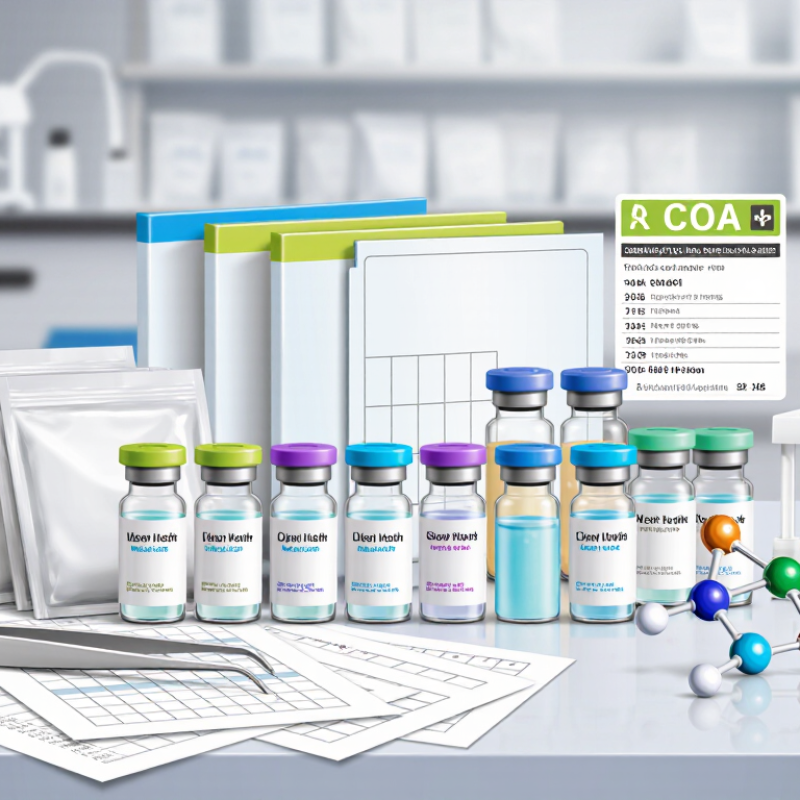
2026 Best AHA Hyaluronic Acid Suppliers for Global Buyers

AHA Hyaluronic Acid: Definition, Uses, and Key Benefits

AHA hyaluronic acid is not usually one standardized ingredient. It commonly describes a skincare formula combining alpha hydroxy acids with hyaluronic acid.

AHAs, such as glycolic or lactic acid, loosen dead surface cells and support smoother-looking skin. Hyaluronic acid is a humectant. It attracts water and helps reduce the tight feeling that exfoliating products may cause.

This pairing serves several practical uses. A toner may use a low AHA level for surface exfoliation. A serum may combine different hyaluronic acid molecular weights for a layered hydration effect. Creams can provide additional comfort after cleansing.

The visible benefits may include softer texture, improved radiance, and temporarily fuller-looking skin. Results vary with concentration, pH, skin condition, and application frequency.

Product quality needs careful review.

Global buyers should request an ingredient specification, certificate of analysis, microbiological results, heavy-metal limits, and stability data. Check the AHA type, active concentration, pH range, preservative system, and hyaluronic acid grade.

Packaging also matters, especially for heat-sensitive or water-based formulas. A common mistake is treating “more acid” as better performance. It may increase irritation instead.

Patch testing remains sensible, even when the formula feels gentle. Some claims sound attractive but lack strong product-specific evidence. Careful testing is still necessary.

How to Evaluate AHA Hyaluronic Acid Suppliers

How to Evaluate AHA Hyaluronic Acid Suppliers

Global buyers should clarify what “AHA hyaluronic acid” means before comparing suppliers. AHA may refer to alpha hydroxy acids, while hyaluronic acid is a separate moisturizing polymer. Ask for the exact composition, concentration, molecular weight, and intended cosmetic use. Ambiguous terminology can create costly formulation errors.

Request recent certificates of analysis for every production lot. Check pH, purity, water content, microbiological limits, residual solvents, and heavy metal results. Reliable suppliers should provide clear INCI names, safety data sheets, allergen statements, and country-of-origin details. Confirm whether testing comes from an independent laboratory. A polished document is not proof by itself.

Small samples matter. Test color, odor, solubility, viscosity, and stability under your actual processing conditions. Record performance at different temperatures. Supplier experience becomes visible in practical details, such as moisture-barrier packaging, batch coding, and shipment controls. Ask how they investigate deviations and handle replacement requests. Their response often reveals more than a sales presentation.

Traceability is essential. The supplier should connect raw materials, manufacturing dates, test results, and shipment records. Check production capacity before signing a long-term agreement. A low price may reflect weaker testing, unstable supply, or hidden logistics costs. That is not always true, but it deserves scrutiny. No checklist is perfect. I would also review communication speed, technical honesty, and willingness to admit limitations. A supplier who promises flawless results may be less credible than one who explains risks clearly.

2026 Best AHA Hyaluronic Acid Suppliers for Global Buyers

How to Evaluate AHA Hyaluronic Acid Suppliers

This 100-point procurement framework helps global buyers compare AHA and hyaluronic acid suppliers without relying on brand names. The evaluation focuses on verifiable quality, documentation, regulatory readiness, supply capability, and technical support. Buyers should confirm each item through current supplier documents, samples, audits, and independent laboratory testing.

Key references include ISO 22716 good manufacturing practices for cosmetics, certificates of analysis, safety data sheets, INCI documentation, stability data, microbial testing, heavy-metal testing, and destination-market regulatory requirements.

Top Supplier Regions and Manufacturing Capabilities in 2026

In 2026, global buyers are comparing supplier regions as carefully as product specifications. East Asian manufacturers often provide strong hyaluronic acid fermentation, molecular-weight control, and large-volume powder production. Some facilities also handle AHA blending, pH adjustment, and cosmetic-grade filling. Their advantages include flexible minimum orders and integrated quality laboratories.

European suppliers commonly emphasize documentation, traceability, and controlled formulation environments. Their facilities may support purified water systems, stability testing, and batch-to-batch verification. North American manufacturers often focus on custom blends, technical support, and smaller development batches. However, regional reputation is not enough. Actual capability depends on equipment, validated procedures, and trained operators. A modern website can still hide weak production records. That is an uncomfortable but necessary point.

Tips: Request recent certificates of analysis, allergen statements, microbiological results, and manufacturing addresses. Ask whether the supplier produces materials in-house or outsources critical steps. Check molecular-weight ranges for hyaluronic acid, active percentages for AHAs, packaging protection, and storage conditions. Review sample performance before signing a larger contract. Keep questions specific. Vague answers deserve follow-up. Buyers should also confirm change-notification procedures and retain samples from every approved batch. Even experienced teams sometimes overlook shipping temperature or label consistency. That small oversight can delay an otherwise reliable launch.

2026 Best AHA Hyaluronic Acid Suppliers for Global Buyers - Top Supplier Regions and Manufacturing Capabilities in 2026

Regional comparison of hyaluronic acid ingredient supply capabilities for cosmetic, pharmaceutical, medical-device and nutraceutical buyers. The table excludes company and brand names and presents industry-level information for supplier screening.

Supplier Region Common Production Platform Typical Molecular-Weight Portfolio Available Ingredient Forms Key Manufacturing Capabilities Common Quality and Compliance Documentation Typical Buyer Applications Global-Buyer Evaluation Points
China Large-scale microbial fermentation using non-animal raw materials is widely used for commercial hyaluronic acid production. Very low MW Low MW Medium MW High MW Custom ranges may be available by specification. Powder, aqueous solution, pre-dispersed cosmetic grade, cross-linked hydrogel and selected injectable-grade materials. Broad scale-up capacity; control of molecular weight, purity, moisture, particle size and solution viscosity; increasing capability for sterile and medical-grade processing. Certificate of analysis, safety data sheet, allergen and non-animal statements, residual-solvent data, microbiological results, heavy-metal data, and audit or quality-system documents where applicable. Skin care, hair care, oral-care products, injectable materials, wound-care products and dietary-supplement formulations. Verify molecular-weight test method, fermentation organism controls, endotoxin limits, traceability, sterilization validation and export documentation for the destination market.
Japan Established fermentation-based production with strong emphasis on process consistency, purification and high-purity specialty materials. Low MW Medium MW High MW Narrow molecular-weight distributions are often requested for advanced applications. High-purity powder, concentrated solution, pharmaceutical-grade material and cross-linked gel systems. Strong batch-to-batch control; advanced purification; specialized grades for cosmetics, pharmaceuticals and medical devices; detailed analytical characterization. Certificate of analysis, specification sheet, stability information, impurity profile, microbial and endotoxin testing, quality-system certificates and regulatory support files subject to product grade. Premium cosmetics, ophthalmic products, injectable formulations, medical devices and research applications. Confirm whether the quoted grade is cosmetic, pharmaceutical or medical-device grade; request exact viscosity, molecular-weight and endotoxin specifications.
South Korea Microbial fermentation and high-value formulation technologies support cosmetic and medical-aesthetic ingredient demand. Very low MW Low MW Medium MW High MW Powder, liquid concentrate, multi-molecular-weight blends and cross-linked gel products. Strong formulation support; low-molecular-weight and multi-weight systems; controlled hydration behavior; capabilities for sterile or medical-aesthetic materials in qualified facilities. Certificate of analysis, ingredient specification, non-animal declaration, microbiological testing, heavy-metal results, stability data and quality-system documentation. Serums, creams, masks, professional skin treatments, dermal-filler-related materials and medical-device formulations. Check INCI or pharmacopeial naming, test methods, cross-linking agent residuals, endotoxin control and country-specific product registration requirements.
European Union Fermentation-based production and specialized downstream processing, often supported by mature quality and regulatory systems. Low MW Medium MW High MW Specialty and application-specific ranges are common. Cosmetic powder, pharmaceutical-grade powder, aqueous solution, cross-linked hydrogel and medical-device-grade materials. Advanced purification, traceability, quality-by-design practices, sterile processing and application-specific grades; capacity varies by country and facility. Certificate of analysis, safety data sheet, technical dossier, allergen and animal-origin statements, GMP-related documentation, ISO certificates and regulatory declarations as applicable. Premium personal care, pharmaceutical formulations, ophthalmic products, wound care and regulated medical devices. Confirm the exact manufacturing site, applicable EU regulatory status, pharmacopeial compliance, preservative system, endotoxin specification and change-control procedure.
United States and Canada Fermentation and specialty formulation supply, with a strong focus on regulated applications, technical support and documented quality systems. Low MW Medium MW High MW Custom molecular-weight and viscosity targets may be available for qualified projects. Powder, sterile or non-sterile solution, cross-linked gel and application-specific premixes. Specialty grades, formulation assistance, analytical support and regulated manufacturing; some suppliers offer contract development or custom specification work. Certificate of analysis, safety data sheet, traceability records, quality-system certificates, microbial and endotoxin testing, stability data and regulatory questionnaires. Pharmaceuticals, medical devices, advanced skin care, ophthalmic products, wound care and nutritional formulations. Review domestic and international registration needs, lot-release testing, supply continuity, quality agreements, intellectual-property restrictions and import requirements.
India Fermentation-based manufacturing is used for cosmetic, pharmaceutical and nutraceutical ingredient supply, with capabilities differing significantly by facility. Low MW Medium MW High MW Standard grades are more common than highly customized ranges. Powder, aqueous solution, cosmetic-grade blends and selected pharmaceutical or medical grades. Competitive production economics; growing purification, formulation and export capabilities; qualification is especially important for sterile or injectable applications. Certificate of analysis, safety data sheet, batch traceability, microbial and heavy-metal reports, non-animal declaration, GMP or ISO documentation where applicable. Cosmetics, nutraceuticals, oral-care products, topical pharmaceuticals and selected medical applications. Audit fermentation and purification controls, confirm manufacturing-site certifications, verify residual-protein and endotoxin results, and assess export experience.
Taiwan Fermentation-based production with emphasis on specialty cosmetic ingredients, formulation quality and export-oriented technical service. Very low MW Low MW Medium MW High MW Powder, solution, multi-weight blends, encapsulated systems and selected cross-linked materials. Good support for cosmetic-grade customization, molecular-weight blending, hydration performance and finished-formulation compatibility. Certificate of analysis, technical data sheet, safety data sheet, microbiological testing, heavy-metal data, stability information and quality-system documents. Facial care, sun care, hair care, masks, professional treatments and formulation-development projects. Request particle-size data, hydration protocol, viscosity test conditions, preservative compatibility and evidence supporting any low-molecular-weight claims.
Southeast Asia The region is primarily an import, distribution, formulation and regional-converting hub; local production capacity varies and is generally more limited than major East Asian and Western manufacturing centers. Most commonly supplied as standard low-, medium- and high-molecular-weight grades sourced from established fermentation producers. Imported powder, solution, premix, finished formulation and selected gel products. Regional warehousing, repacking, blending and formulation support; some facilities provide localized GMP or ISO-controlled processing. Certificate of analysis, safety data sheet, import documents, halal or non-animal statements where relevant, microbiological testing and local regulatory declarations. Personal care, beauty clinics, nutraceuticals, topical products and regional contract manufacturing. Distinguish manufacturer from distributor, confirm origin and storage conditions, check humidity control, review shelf-life at arrival and verify local product-registration obligations.
Latin America The region is mainly served through imported hyaluronic acid, local distribution and finished-product manufacturing; domestic primary fermentation is less common. Standard low-, medium- and high-molecular-weight grades are most accessible through regional distributors and importers. Imported powder, solution, premix and finished cosmetic or pharmaceutical formulations. Regional formulation, filling, packaging and distribution capabilities; specialized sterile or injectable production requires facility-specific qualification. Certificate of analysis, safety data sheet, import certificate, batch traceability, local GMP documentation and country-specific regulatory files. Skin care, professional aesthetics, topical pharmaceuticals, nutraceuticals and personal-care products. Check customs classification, local registration, temperature and humidity controls, authorized importer status, Spanish or Portuguese documentation and replenishment lead time.
Middle East and Africa Supply is predominantly based on imports, regional distribution and downstream formulation, with primary fermentation concentrated outside the region. Commonly available low-, medium- and high-molecular-weight cosmetic grades; regulated grades require supplier and facility verification. Powder, solution, premix and finished formulation; sterile products depend on qualified local facilities or imported finished goods. Distribution, repacking, formulation and contract manufacturing in selected markets; local capacity and regulatory infrastructure vary considerably. Certificate of analysis, safety data sheet, certificate of origin, halal or non-animal documentation where required, batch records and local registration files. Personal care, dermocosmetics, topical products, aesthetic clinics and nutraceuticals. Confirm climate-controlled storage, halal requirements, import permits, local representative obligations, shelf-life upon delivery and product-language requirements.

Note: Hyaluronic acid is a glycosaminoglycan and is not an alpha-hydroxy acid (AHA). Molecular-weight ranges, certifications, lead times and regulatory status vary by product grade and manufacturing site; buyers should verify current specifications directly with the qualified supplier before purchase.

Quality Standards, Certifications, and Product Testing

Global buyers should assess AHA and hyaluronic acid suppliers through documented quality systems, not attractive specifications alone.
A credible supplier should provide current ISO 9001 and cosmetic GMP evidence, where applicable. ISO 22716 alignment can show controlled manufacturing, hygiene, training, and deviation handling. Certification scope matters. Check the issuing body, validity dates, factory address, and covered product category. For each batch, request a signed certificate of analysis with assay, pH, appearance, moisture, and microbiological limits. Hyaluronic acid needs molecular weight data, while AHA materials require acid concentration and residual solvent results. These details support formulation decisions and reduce surprises during import inspection.

Product testing should be independent, risk-based, and repeated after major process changes. Useful laboratory checks include heavy metals, microbial counts, preservatives, allergens, and stability under heat and humidity. For sensitive formulas, ask whether testing uses validated methods and calibrated instruments. Review retention samples and traceability from raw material lot to finished shipment. A supplier audit should examine warehouse temperature logs, sealed packaging, pest control, and complaint records. I have learned that a polished certificate can hide weak batch discipline. That deserves scrutiny. Ask for a recent sample, compare it with the COA, and record every discrepancy. No supplier is perfect. Clear corrective-action timelines and honest communication often matter more than glossy claims. Before approval, buyers should confirm destination-market requirements with qualified regulatory professionals.

Global Purchasing, Pricing, Shipping, and Compliance Considerations

Global buyers should compare suppliers using landed cost, not the invoice alone. Grand View Research reports continued growth in the global hyaluronic acid market, with demand driven by skincare and injectable applications. This growth attracts inconsistent quotations. A cosmetic-grade powder may cost less than a low-molecular-weight grade, but purity, molecular weight, fermentation source, and testing scope can change pricing sharply. Request a recent COA, specification sheet, allergen statement, and batch sample before negotiating volume.

Small details matter. Ask whether the quotation includes export packing, insurance, customs documents, and the correct Incoterm. A 25-kilogram carton may arrive damaged if moisture protection is weak. Freight rates also vary by season, route, and dangerous-goods classification, even when the material itself is non-hazardous. The World Bank’s Commodity Markets Outlook shows how global logistics and energy costs can remain volatile. Build a price review clause into annual contracts. Fixed pricing sounds attractive, but it can hide quality compromises.

Compliance requires country-specific evidence. EU sales may require documentation aligned with Regulation (EC) No. 1223/2009, while United States cosmetics businesses must consider MoCRA obligations. China-bound products may need records under its cosmetic supervision framework. Verify INCI names, traceability, stability data, microbiological limits, and claim support. Supplier audits are useful, but they are not perfect. I would still test each incoming batch. A polished certificate cannot replace independent verification.

FAQS

How should buyers evaluate a supplier’s quality system?

Request current quality certifications and cosmetic manufacturing evidence, when applicable. Check validity dates, issuing body, factory address, and product scope. Certification scope matters. A certificate alone proves little. Review hygiene, training, deviation handling, and complaint records.

Which documents should accompany each batch?

Ask for a signed COA listing assay, pH, appearance, moisture, and microbiological limits. For hyaluronic acid, request molecular weight data. For AHA, request acid concentration and residual solvent results. Compare each document with the delivered sample. Keep records.

What testing is useful before approving materials?

Use independent, risk-based testing for heavy metals, microbial counts, preservatives, allergens, and stability. Test under heat and humidity when formulas are sensitive. Confirm validated methods and calibrated instruments. Testing costs money. Import surprises cost more.

How can buyers check batch traceability?

Trace the raw-material lot through production and shipment records. Review retention samples and packaging seals. Inspect warehouse temperature logs, pest-control records, and complaint histories. Ask for a recent sample, then compare it with its COA. Record every discrepancy.

What should a supplier audit examine?

Inspect storage conditions, moisture protection, sealed cartons, pest control, training records, and corrective actions. Ask how process changes trigger retesting. Request clear deadlines for fixing problems. A polished certificate can hide weak batch discipline. That deserves scrutiny.

How should buyers compare quotations?

Compare landed cost, not only the invoice price. Include export packing, insurance, customs documents, freight, and the correct delivery term. A 25-kilogram carton can arrive damaged when moisture protection is weak. Low price may reflect narrower testing or a different grade. Not always.

Why can prices change between similar ingredients?

Purity, molecular weight, fermentation source, grade, and testing scope can change pricing. Freight also varies with season, route, energy costs, and classification. Ask for a current specification sheet, COA, allergen statement, and batch sample. Fixed pricing sounds safer. It may hide compromises.

What compliance evidence is needed for different markets?

Confirm destination-market requirements with qualified regulatory professionals before approval. Check ingredient names, traceability, stability data, microbiological limits, and claim support. Keep market-specific records. Requirements differ. Guessing is risky.

Conclusion

This guide to Aha Hyaluronic Acid provides global buyers with a practical overview of its definition, common cosmetic and personal-care applications, and key benefits, including hydration support, skin-conditioning performance, and compatibility with modern formulation systems. It explains how to evaluate suppliers by reviewing product specifications, raw-material traceability, production capacity, technical support, communication efficiency, and consistency between samples and bulk orders.

The article also compares major supplier regions and manufacturing capabilities in 2026, while highlighting the importance of quality standards, certifications, microbiological controls, stability testing, purity analysis, and batch documentation. In addition, it outlines essential purchasing considerations such as indicative pricing, minimum order quantities, packaging, shipping conditions, lead times, customs documentation, and destination-market compliance. By applying these criteria, buyers can make more informed sourcing decisions, reduce supply-chain risks, and select Aha Hyaluronic Acid products that meet their formulation, quality, and international distribution requirements.

Sophia

Sophia

Sophia is a dedicated marketing professional with an exceptional depth of knowledge about her company's products and services. With a keen understanding of market trends and customer needs, she crafts insightful blog posts that not only inform but also engage readers, enriching the company’s online......