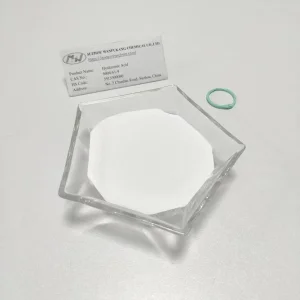
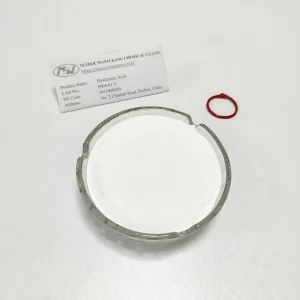
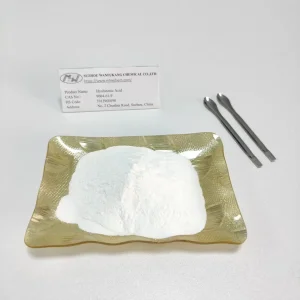
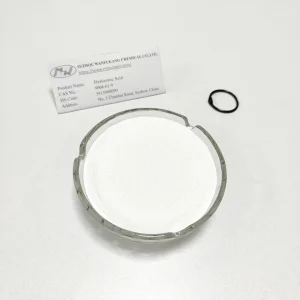
Explore our premium selection of raw cosmetic and pharmaceutical active ingredients, optimized for formulation stability and cell-deep bioavailability.
In modern dermatological chemistry, combining Tretinoin (all-trans-retinoic acid) and Hyaluronic Acid (HA) is recognized as one of the most effective strategies to balance aggressive cellular turnover with skin barrier integrity. Tretinoin works by binding to nuclear retinoic acid receptors (RARs), accelerating epidermal cell differentiation, and prompting the expulsion of comedones while increasing collagen synthesis in the dermis. However, this process often induces a temporary barrier compromise, leading to trans-epidermal water loss (TEWL), desquamation, and inflammation.
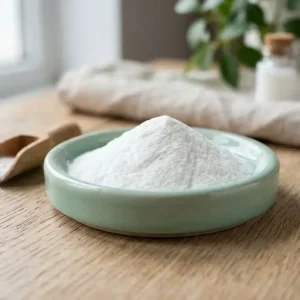
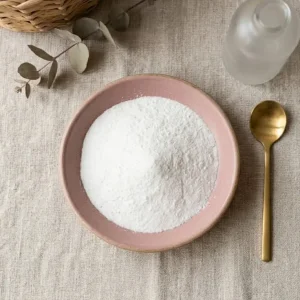
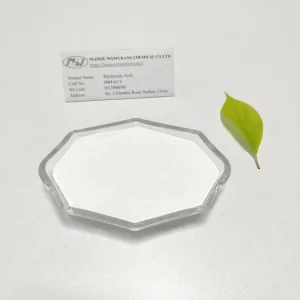
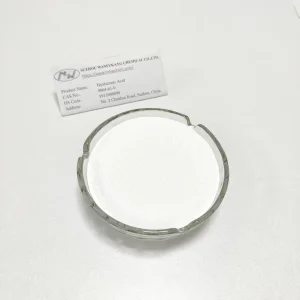
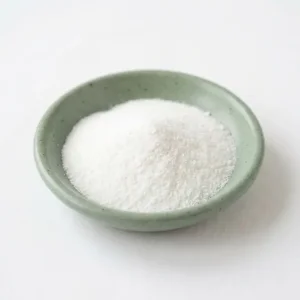
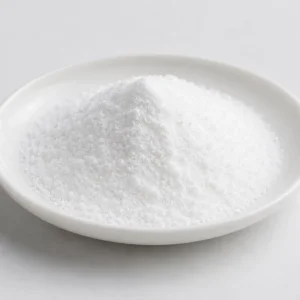
By incorporating pharmaceutical or high-purity cosmetic-grade Sodium Hyaluronate, manufacturers can design formulations that mitigate these side effects. Hyaluronic Acid acts as a structural glycosaminoglycan, capable of binding up to 1,000 times its molecular weight in water. This hydration layer prevents the dehydration of newly formed epidermal cells, calms receptor-induced redness, and supports cellular restructuring without dampening the efficacy of the retinoic acid active.
Our biological fermentation technologies ensure low molecular weight Oligo-HA penetrates directly to the stratum basale to buffer acid-induced irritation, while high molecular weight HA seals the stratum corneum barrier.
Analyzing regional demands, strict regulatory standards, and supply chain shifts in the global cosmetic and biomedical chemical sectors.
International buyers in North America and Europe require raw materials to adhere strictly to USP, EP, and CosIng standards. Heavy metal content, microbial thresholds, and cross-contamination limits are heavily audited, directing buyers toward certified factories.
Different localized application scenarios demand specialized molecular profiles. While joint health formulations require high-molecular-weight sodium hyaluronate, advanced anti-aging topical serums rely on Acetylated or Oligo Hyaluronic Acid to boost skin absorption rates.
Fluctuating energy costs and shipping raw materials long-distance have led global cosmetic enterprises to prioritize factories that can guarantee massive production capacities, rapid lead times, and comprehensive laboratory testing reports.
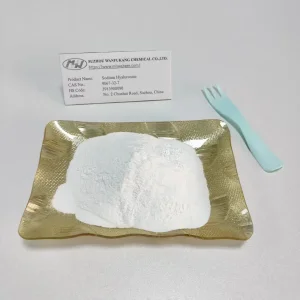
Founded in 2016, Suzhou Wanfukang Chemical Co., Ltd. is an innovative enterprise specializing in the development, refining, and global export of cosmetic and food-grade active ingredients. Our highly established production bases inside China possess advanced synthesis and bio-fermentation setups, allowing us to supply consistently high-grade raw powders to pharmaceutical companies, raw material distributors, and cosmetic brands worldwide.
As a leading raw material supplier in China, we manage every phase of the B2B supply chain. Our comprehensive solutions include customized chemical inquiries, rigorous quality control, in-house and third-party laboratory testing, structured factory audits, international logistics navigation, custom warehousing, and professional complaints management.

Why Chinese bio-fermentation hubs remain the gold standard for global Hyaluronic Acid production.
China hosts the world's largest cluster of microbial fermentation facilities. The concentration of upstream chemical precursors, specialized manufacturing equipment, and engineering expertise allows local factories to produce consistently pure Sodium Hyaluronate at optimized price-to-quality ratios.
By leveraging high-density cultivation of non-pathogenic bacterial strains (such as Streptococcus zooepidemicus) and executing precise enzymatic cleavage, Chinese factories produce customized molecular weight distributions, from Ultra-Low (Oligo) to Super-High macromolecular weights.
Our partnered manufacturing sites run real-time HPLC (High-Performance Liquid Chromatography) assays, ICP-MS trace metal analysis, and bacterial endotoxin testing, ensuring every batch meets the strict cosmetic safety standards of importing nations.
Discover how we safeguard your supply chain through strict laboratory audits, swift delivery methods, and comprehensive customer protections.
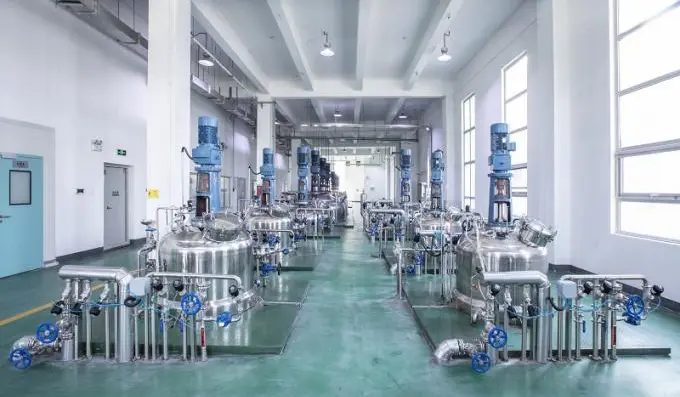
Leveraging our years of experience, advanced technology, and continuous research, our quality fully meets market demands and customer requirements. Numerous customers have proven our commitment to quality through long-term use and repeat purchases. Quality is not only our core competitiveness, but also the baseline of our operational ethics. We provide COA, MSDS, and third-party lab testing reports (SGS/Eurofins) for every batch delivered.
Developing products containing both Tretinoin and Hyaluronic Acid requires deep chemical expertise due to the differences in solubility and chemical stability profiles. Tretinoin is a highly lipophilic compound, whereas Sodium Hyaluronate is highly hydrophilic, demanding a stable emulsion system.
To achieve peak synergy, developers usually construct a biphasic delivery mechanism. The continuous aqueous phase contains dissolved Oligo Sodium Hyaluronate to hydrate the extracellular matrix and prime the skin. The dispersed oil phase carries the solubilized Tretinoin. Adding Acetylated Sodium Hyaluronate improves local retention, allowing the formula to hold the retinoid active in contact with the skin surface longer while reducing the risk of irritation.
Essential information for purchasing agents, cosmetic formulation chemists, and global trade coordinators.
Need custom molecular weights, tailored packaging, or specific regulatory paperwork? Contact Suzhou Wanfukang Chemical Co., Ltd. today. Our chemical engineers and logistics managers are ready to support your production goals.
Get Free Samples & Quotes
Select from food, cosmetic, and medical-grade active raw materials configured for global export markets.