Premium Sodium Hyaluronate Formulations (Part I)
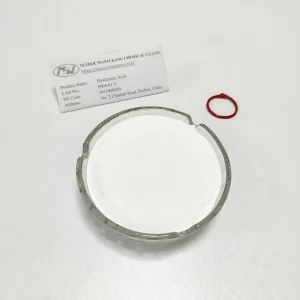
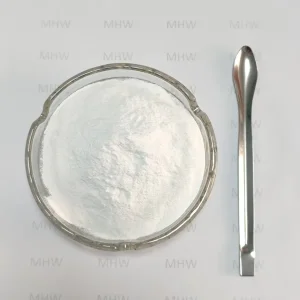
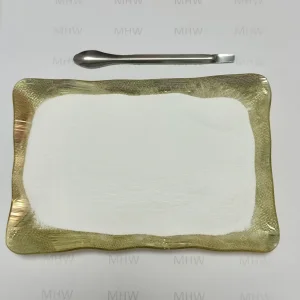
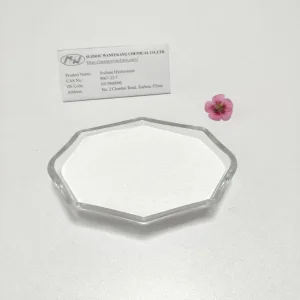
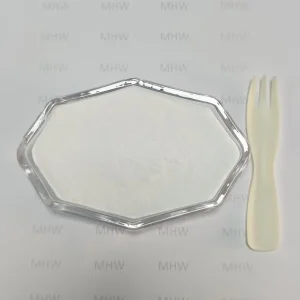
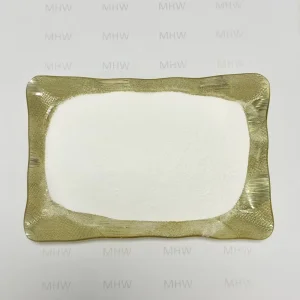
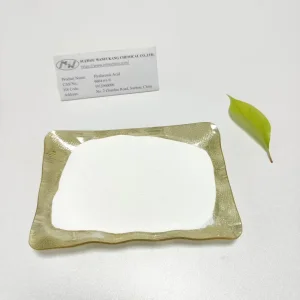
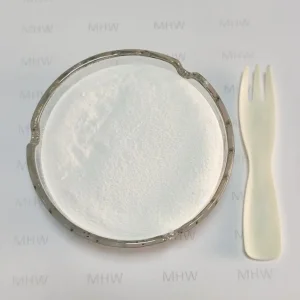
High-purity, bio-fermented Sodium Hyaluronate ranging from Halal-certified food grade to low endotoxin ophthalmic grade.
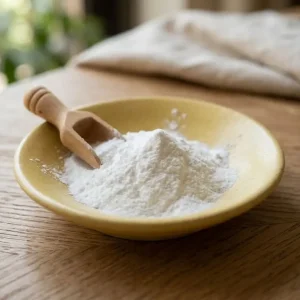
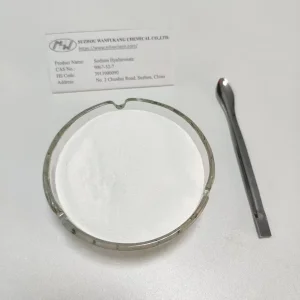
Sodium Hyaluronate (CAS No. 9067-32-7), the sodium salt of Hyaluronic Acid (HA), is a naturally occurring linear polysaccharide composed of repeating disaccharide units of D-glucuronic acid and N-acetyl-D-glucosamine. Across global dermatological, aesthetic, pharmaceutical, and nutraceutical industries, HA is recognized as the ultimate moisturizing biopolymer, capable of binding up to 1,000 times its weight in water. However, the commercial efficacy of a Hyaluronic Acid Serum does not depend on simple concentration alone, but rather on the precise orchestration of molecular weights, purity thresholds, and formulation stability.
In modern biopharmaceutics and advanced cosmetic formulating, molecular weight (MW) dictates biological performance and transdermal penetration capability. As a premium manufacturer, we categorize our Sodium Hyaluronate into three primary domains:
The global hyaluronic acid market has shifted from basic cosmetic hydration to clinical-grade, multi-functional applications. Global consumption is growing rapidly, driven by the clean-beauty movement (requiring non-animal derived, vegan-certified ingredients) and the rising demand for anti-aging oral supplements. Formulators now demand high-purity, bio-fermented raw materials with minimal polydispersity indexes (PDI), low heavy metals, and zero bacterial endotoxins for medical-grade ophthalmic products and dermal fillers.
Founded in 2016, Suzhou Wanfukang Chemical Co., Ltd. is a leading innovative enterprise specializing in the research, development, standardization, and global export of cosmetic and food-grade active ingredients. Headquartered in Suzhou, Jiangsu Province, China, our company leverages the country's most advanced chemical manufacturing clusters, robust logistics infrastructure, and world-class raw material supply chains.
China is the world's leading producer of Sodium Hyaluronate, accounting for over 70% of global supply. This concentration of manufacturing capability yields significant advantages for international buyers:
Our strategic location in East China allows us to export to over 20 countries across North America, Europe, Asia, Latin America, Africa, and Australia. Our close partnerships with major deepwater ports like Shanghai and Ningbo ensure rapid transit, streamlined customs clearance, and consistent delivery times for all orders.
Whether you require LCL shipments of specialty low-molecular-weight HA powder or FCL logistics for high-volume cosmetic manufacturing, our team manages the entire process—handling everything from import regulations to end-to-end trace documentation.
 Our Core Service Pillars
How we support global formulators and cosmetic brands, from raw material validation to final logistics.
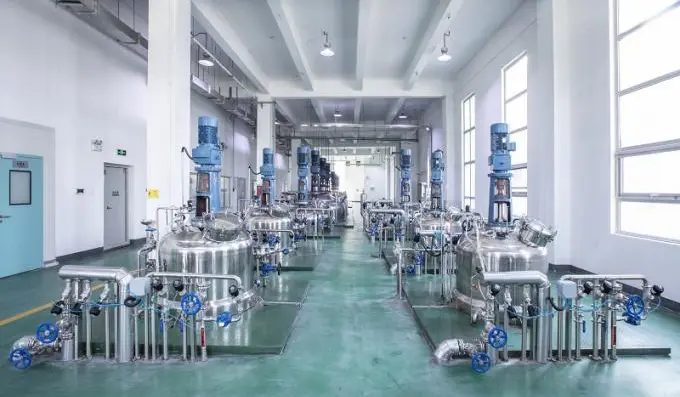
We run a strict quality management system throughout the entire production cycle. Our materials are tested at multiple stages using advanced analytical instrumentation, ensuring they meet or exceed international pharmacopoeia standards.
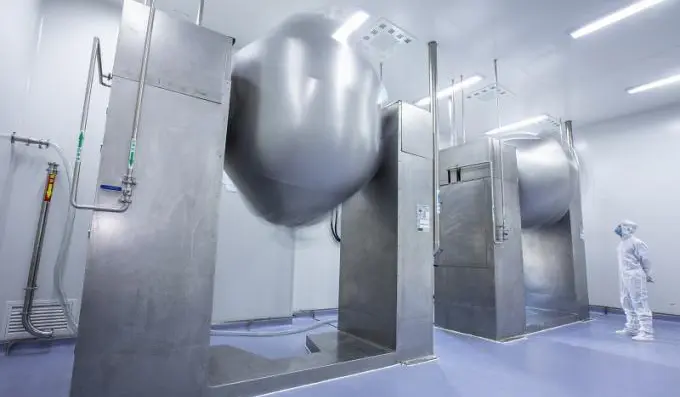
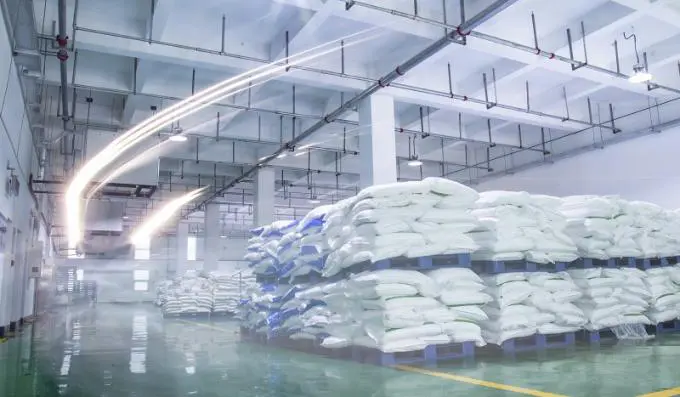
We adjust our packaging solutions based on current customs requirements. All powder shipments are double-sealed in food-grade polyethylene bags inside fiber drums, protecting them from moisture, heat, and contaminants during transit.
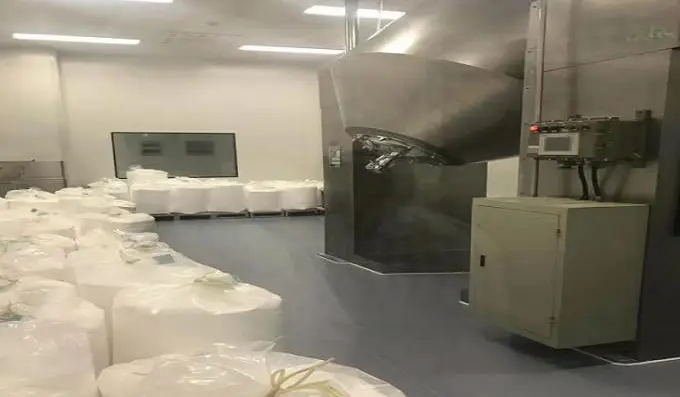
Our raw material portfolio includes cosmetic, food, and eye-drop grade Sodium Hyaluronate in various molecular weights. We also offer custom processing, such as custom particle sizing and liquid premix compounding.
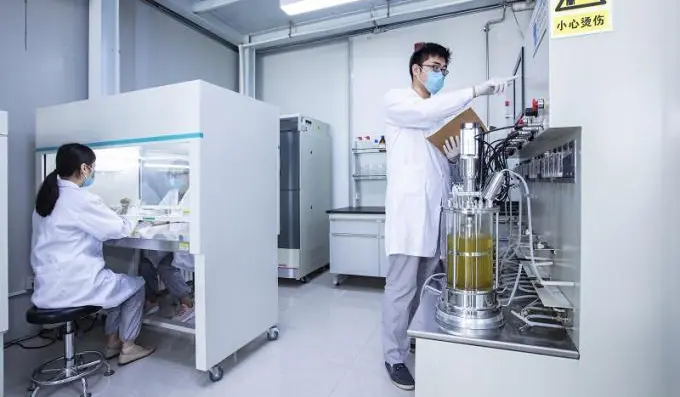
We provide comprehensive technical support for your formulation team. Our services include advice on stabilizer compatibility, solving pH-induced viscosity loss, and optimizing emulsification protocols.
We stand behind the quality of our materials. If an independent laboratory identifies a quality issue, we will immediately arrange a replacement shipment at no extra cost, covering all shipping fees.
To help you choose the right material for your application, we maintain strict manufacturing standards for all grades of Sodium Hyaluronate. The table below lists the typical specifications for our main product lines:
| Grade Classification | Target Application | Molecular Weight (Da) Range | Glucuronic Acid Content | Bacterial Endotoxins / Bioburden |
|---|---|---|---|---|
| Cosmetic Grade HMW | Hydrating Serums, Protective Creams | 1.8 MDa – 2.2 MDa | ≥ 45.0% | Total Plate Count: < 100 CFU/g |
| Cosmetic Grade LMW | Anti-Wrinkle Serums, Essence Mists | 10 kDa – 100 kDa | ≥ 45.0% | Total Plate Count: < 100 CFU/g |
| Food / Halal Grade | Oral Beauty Supplements, Joint Health Care | 800 kDa – 1.5 MDa | ≥ 44.0% | Total Plate Count: < 1000 CFU/g |
| Ophthalmic Grade | Eye Drops, Lubricating Eye Solutions | 1.0 MDa – 2.0 MDa | ≥ 46.0% | Endotoxins: < 0.05 IU/mg |
High-performance cosmetics require combinations of multiple molecular weights to target different skin layers. High molecular weight HA forms an immediate protective film on the surface, while ultra-low molecular weight HA penetrates deeper to support long-term hydration. This multi-level approach reduces the appearance of fine lines and helps restore the skin's natural barrier.
Our ophthalmic-grade Sodium Hyaluronate is processed in cleanroom facilities to ensure extremely low endotoxin levels and high biocompatibility. It is widely used in artificial tears, eye drops, and contact lens wetting solutions, providing reliable lubrication and reducing dry-eye symptoms without irritating sensitive tissues.
Oral supplements containing food-grade HA are popular for supporting joint mobility and skin hydration from within. Our Halal and Vegan-certified food-grade HA powder dissolves easily in water, features a neutral taste, and remains stable under typical food-processing temperatures, making it ideal for capsules, tablets, functional beverages, and beauty jellies.
Our technical specialists can help you determine the optimal molecular weight, viscosity, and purity profiles for your formulation. Contact us today for a free consultation, custom pricing, and to request product samples.
Submit Sourcing Request
Technical and logistics questions answered by our chemistry and supply chain specialists.
Premium Sodium Hyaluronate Formulations (Part II)
Cosmetic-grade powders, short-chain raw materials, and anti-wrinkle concentrates for global distribution.