1 / 3

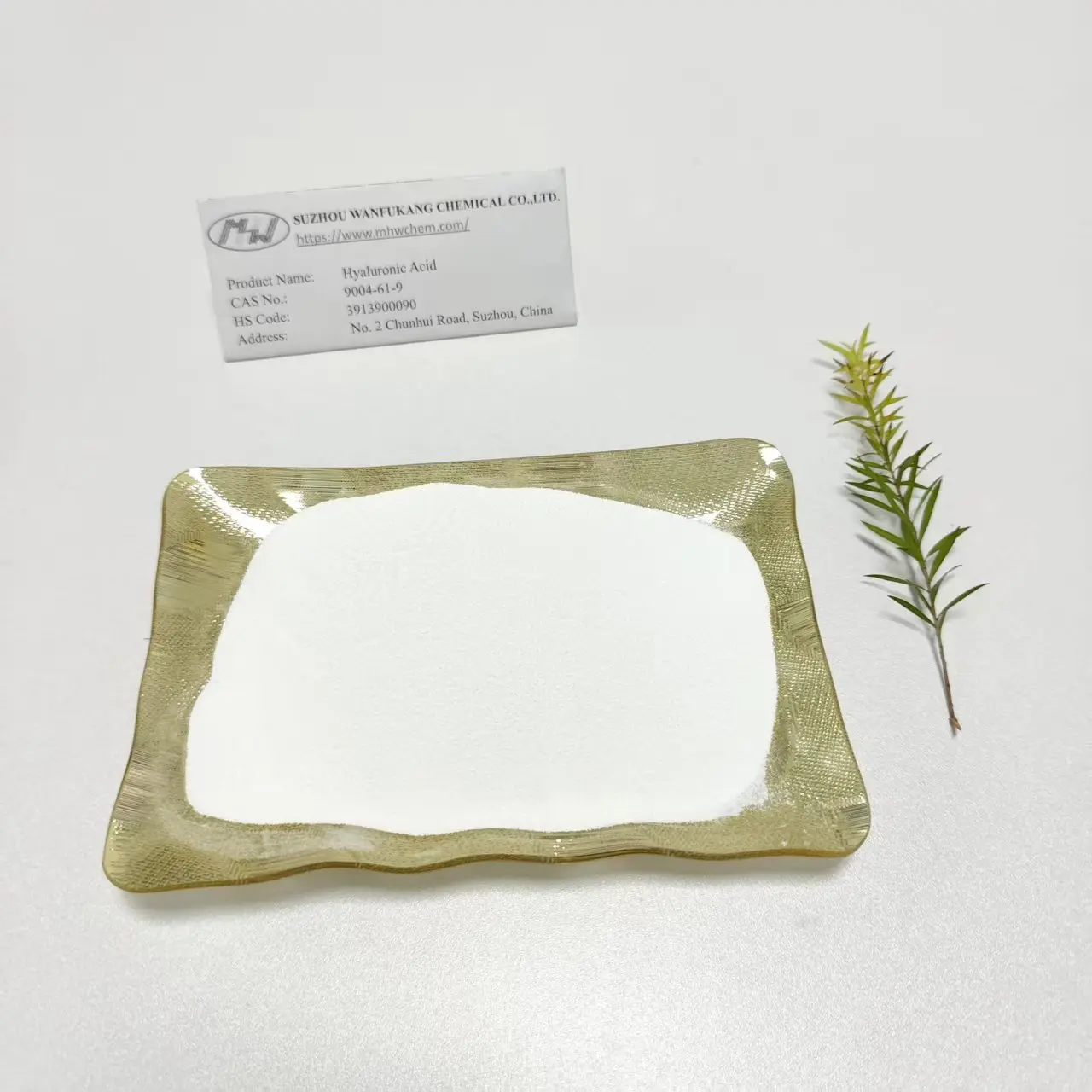
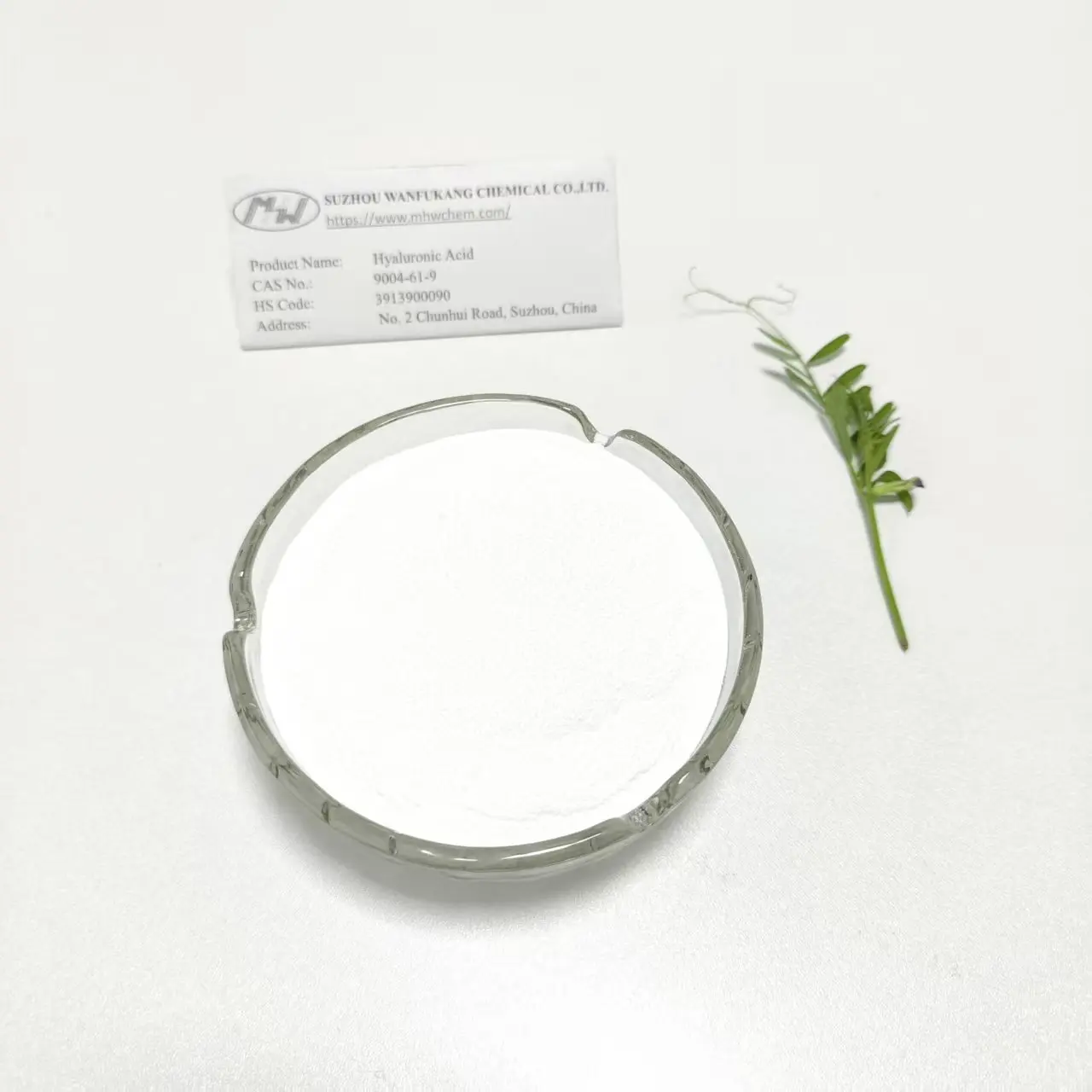
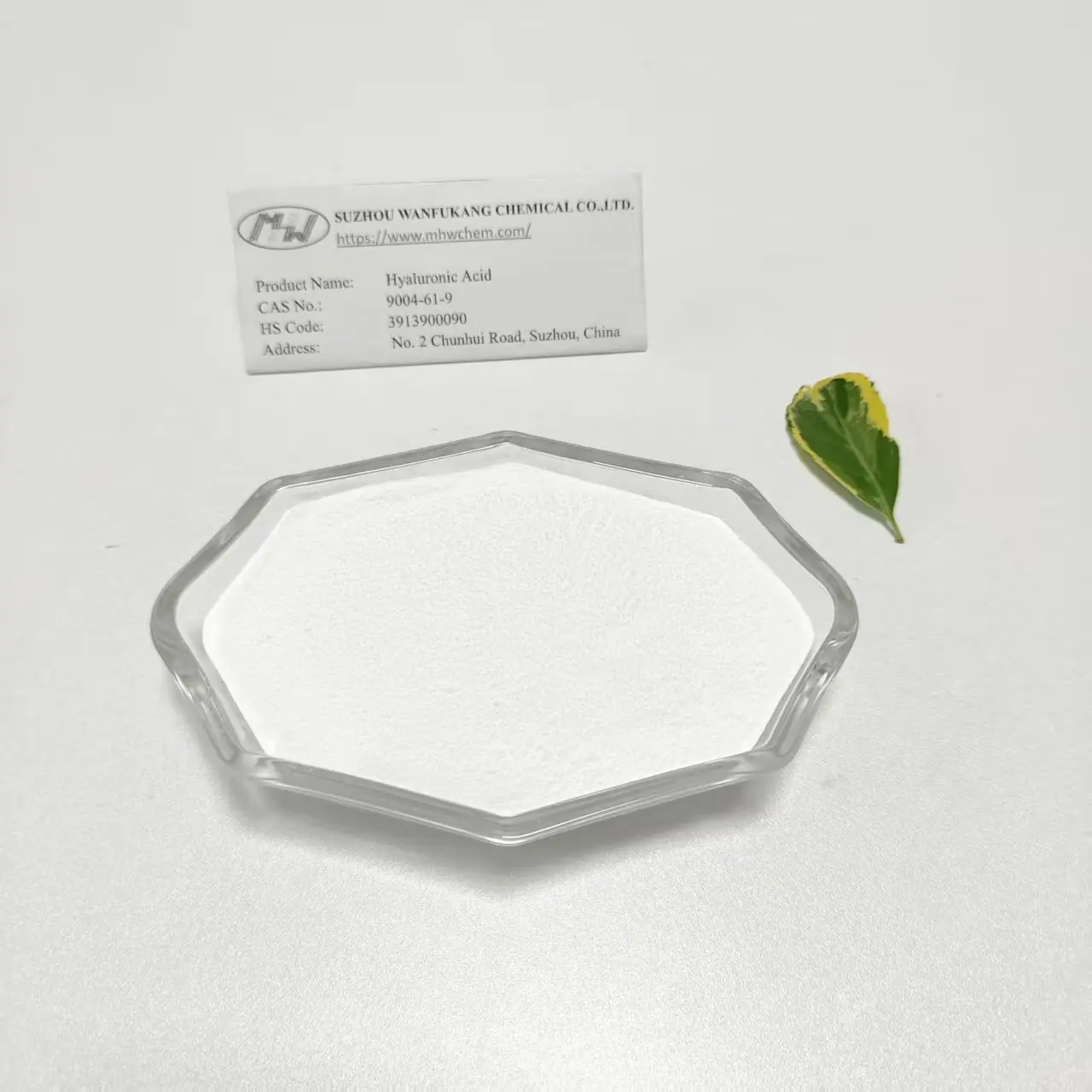
| Product Name | Hyaluronic Acid |
| Chemical Formula | (C14H21NO11)n |
| Chemical Structure |

|
| CAS No. | 9004-61-9 |
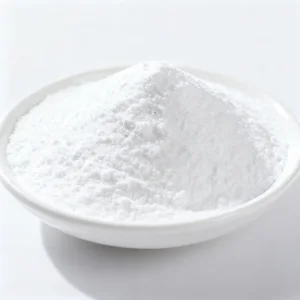
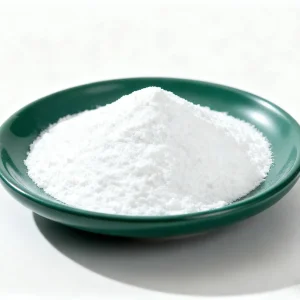
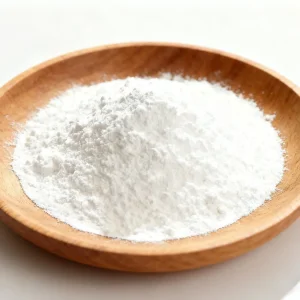
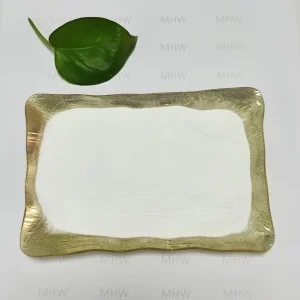
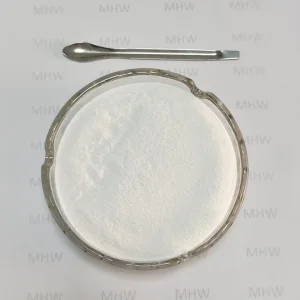
| Appearance | White, fine powder |
| Assay | ≥95% |
| Molecular Weight | Low molecular weight |
| Solubility | Soluble in water |
| Source | Microbial fermentation |
Extremely small molecular weight allows rapid absorption, increasing moisture content of the dermis and alleviating dryness at its source.
Promotes proliferation and differentiation of epidermal cells, accelerating the repair of damaged tissue and enhancing defenses against external stimuli.
Activates fibroblasts to promote collagen regeneration, effectively reducing fine lines while improving overall skin elasticity and firmness.
Possesses powerful antioxidant properties to reduce skin damage caused by ultraviolet radiation and effectively delay photoaging.
Due to its excellent solubility and compatibility, cosmetic-grade small-molecule hyaluronic acid powder is widely used in various high-end personal care products:
Strict production process control ensures that heavy metal and microbial levels are far superior to industry standards.
Specially treated powder dissolves clearly and transparently, providing a refreshing feel without pilling.
We precisely control the molecular weight range according to your specific formulation needs, ensuring the product achieves the desired penetration depth.
A: Our Hyaluronic Acid is produced through microbial fermentation, ensuring high purity, quality, and safety for various cosmetic applications.
A: Unlike high molecular weight variants, low molecular weight hyaluronic acid penetrates deeper into the skin dermis to hydrate from within, repair the barrier, and effectively reduce fine lines.
A: The recommended usage dosage ranges between 0.1% and 1.0% of the total formulation volume, depending on the desired efficacy and product type.
A: It is recommended to add the powder to deionized water and stir at high speed. This ensures the powder is fully wet and dissolves completely and transparently.
A: Yes, it is highly suitable for repairing masks and soothing serums. It accelerates the repair of damaged tissue and rebuilds the skin barrier, making it safe for sensitive skin.