1 / 3

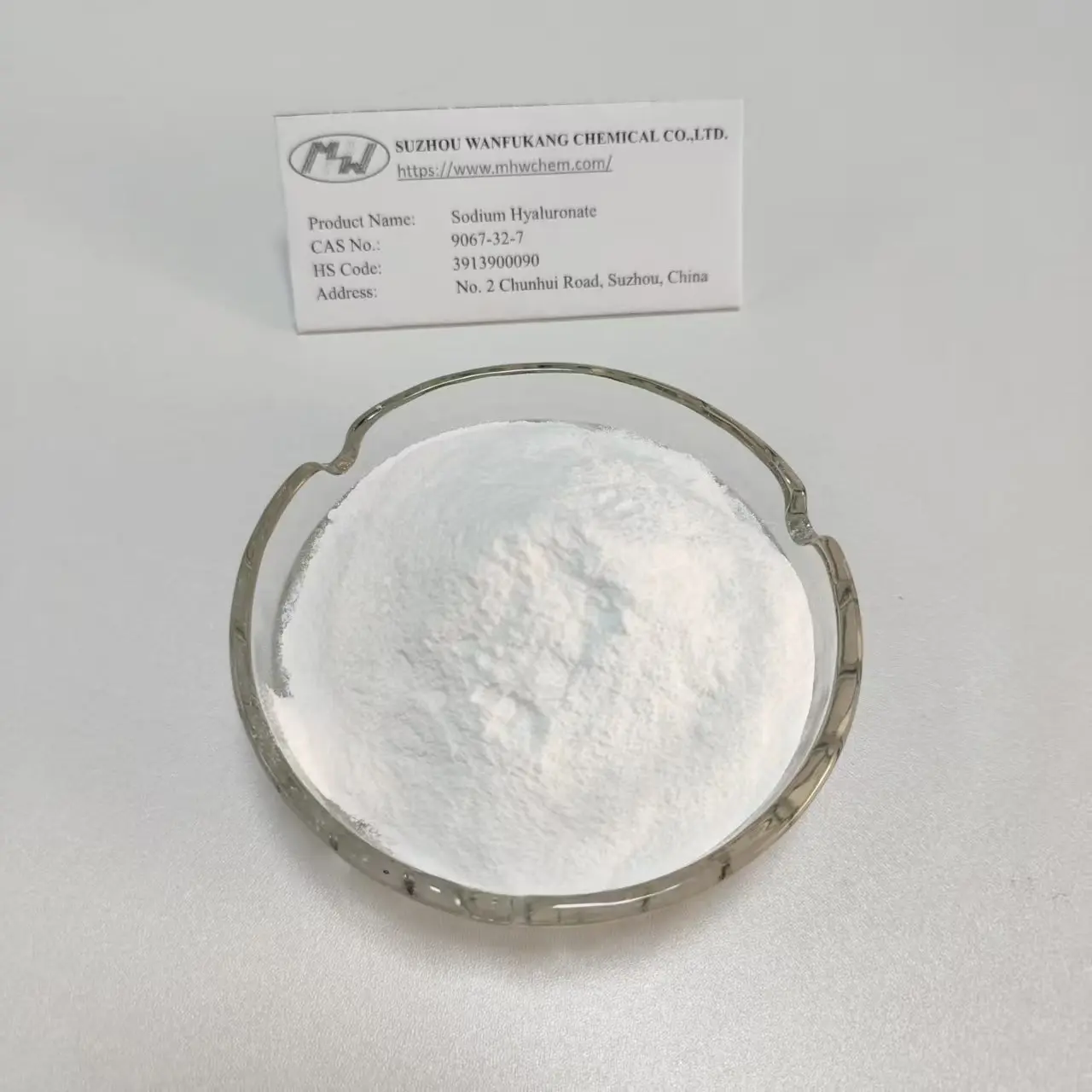
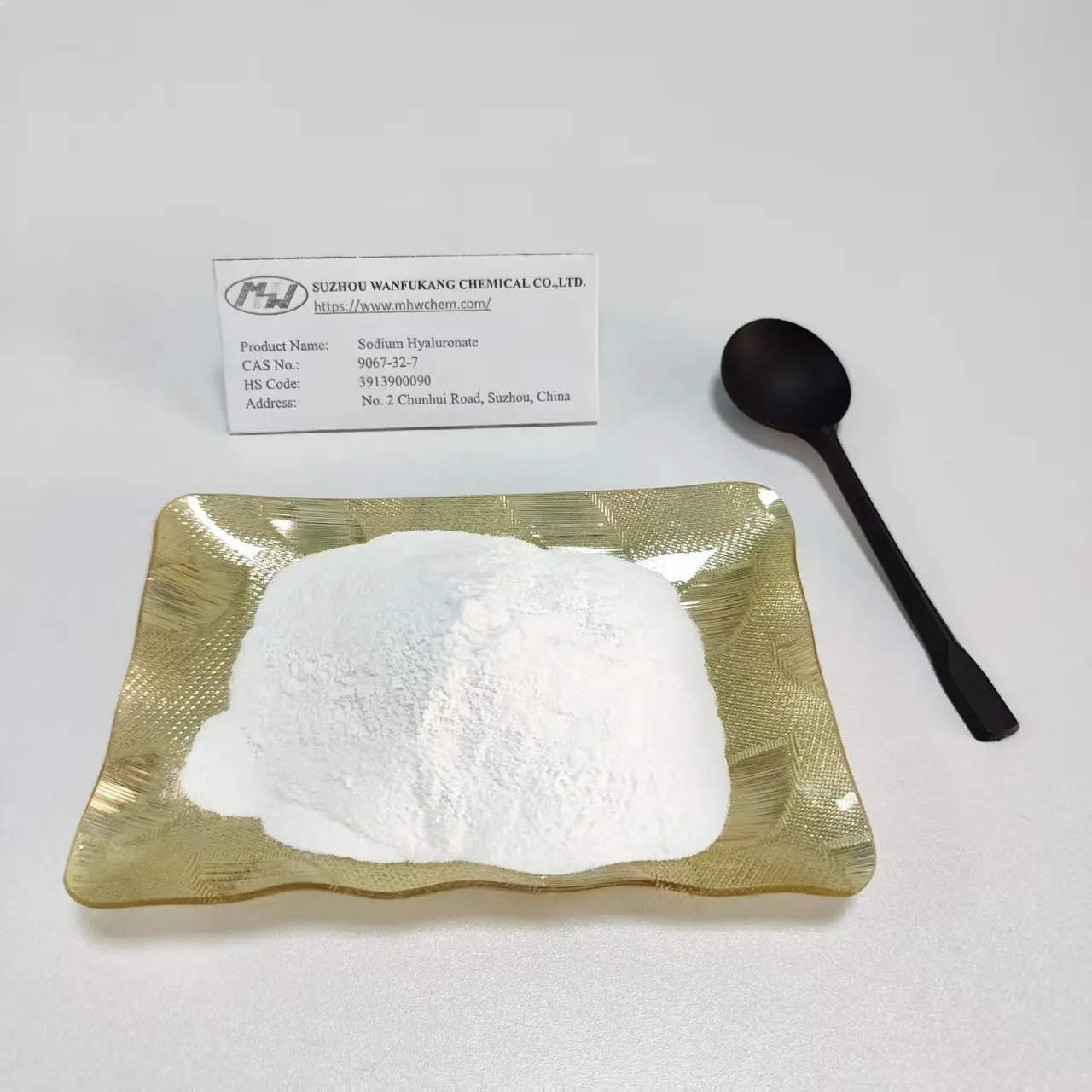
| Product Name | Oligo Sodium Hyaluronate |
| Chemical Formula | (C14H20NNaO11)n |
| Chemical Structure |

|
| CAS No. | 9067-32-7 |
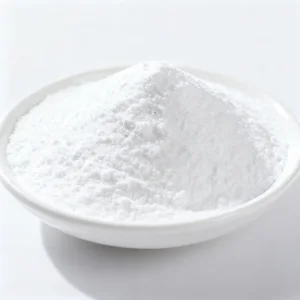
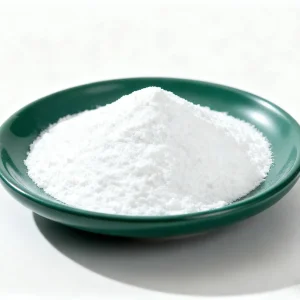
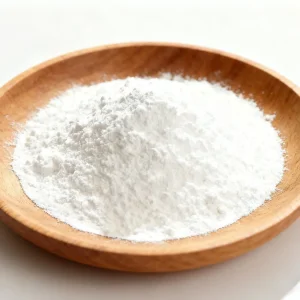
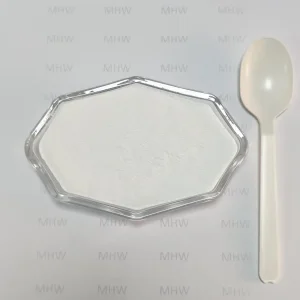
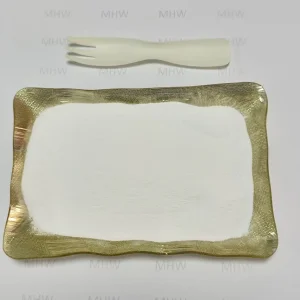
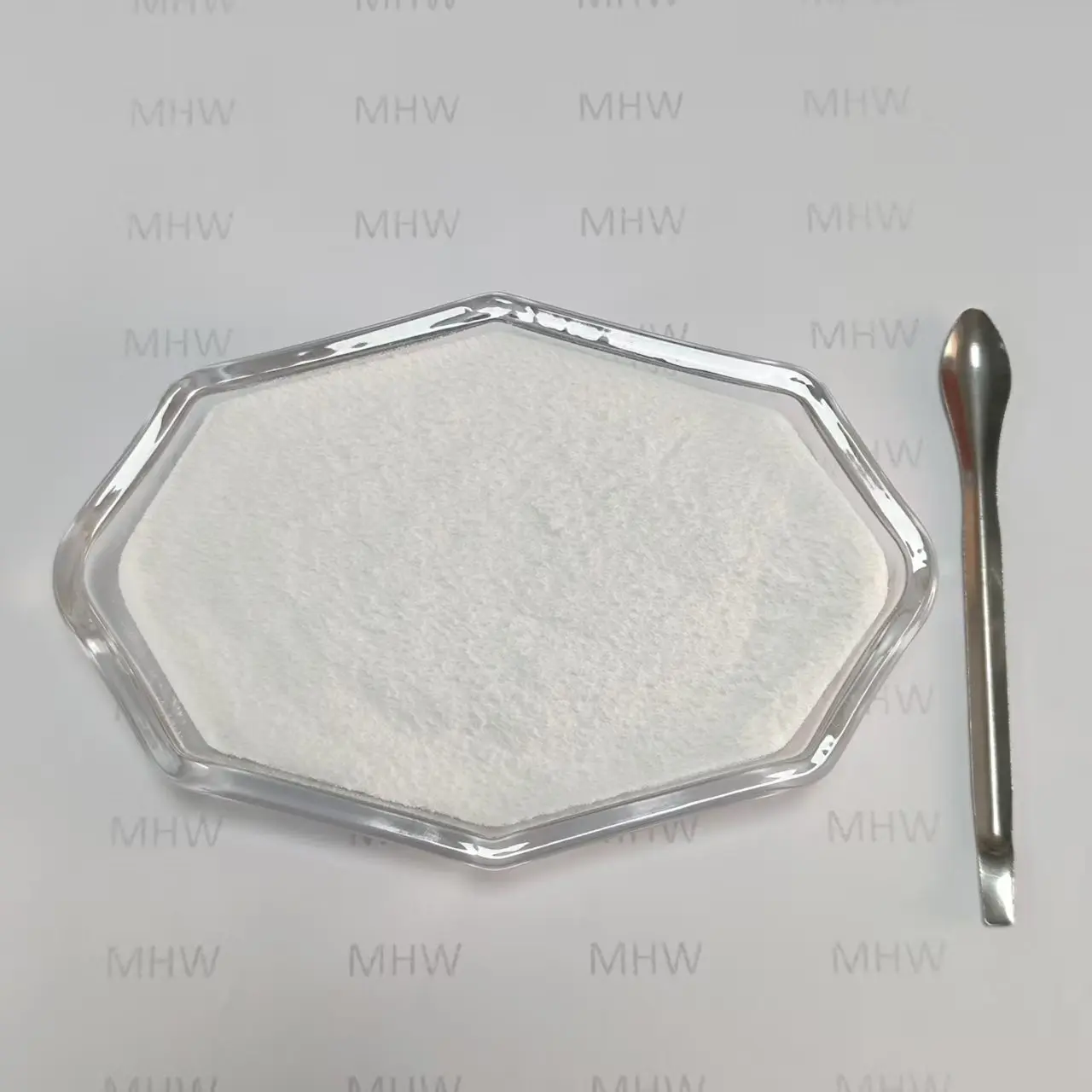
| Appearance | White, fine powder |
| Assay | ≥95% |
| Molecular Weight | 3,000–10,000 Daltons |
| Solubility | Soluble in water |
| Source | Microbial fermentation |
Due to its low molecular weight (approximately 3k–10kDa), Oligo Sodium Hyaluronate can more easily penetrate the stratum corneum, reaching the epidermis and even deeper layers for deep hydration and nourishment.
Possesses a powerful water-absorbing capacity, locking in hundreds of times its own weight in water to keep skin moisturized for extended periods.
Its low molecular weight structure improves the cellular moisture environment, supports epidermal cell metabolism and collagen production, and helps restore dry, rough skin.
As a cosmetic-grade ingredient, it boasts high biocompatibility and low irritation, making it suitable for formulations targeting sensitive skin.
Widely used in high-end serums, ampoules, single-use ampoules, eye creams, face creams, masks, lotions, and freeze-dried powders.
Often combined with high-molecular-weight hyaluronic acid and acetylated hyaluronic acid to form a "three-dimensional moisturizing and repairing network"—locking in moisture on the surface, nourishing in the middle layer, and promoting regeneration at a deeper level, achieving a 1+1>2 effect.
Suitable for all skin types, especially dry, rough, early-aging, and inelastic skin, as well as sensitive skin requiring deep repair.
What is the molecular weight of Oligo Sodium Hyaluronate?
What is the source and assay specifications of this product?
How does its low molecular weight benefit skin hydration?
How does Oligo Sodium Hyaluronate assist in skin repair?
Can it be combined with other types of hyaluronic acid?
Which product categories is this ingredient suitable for?