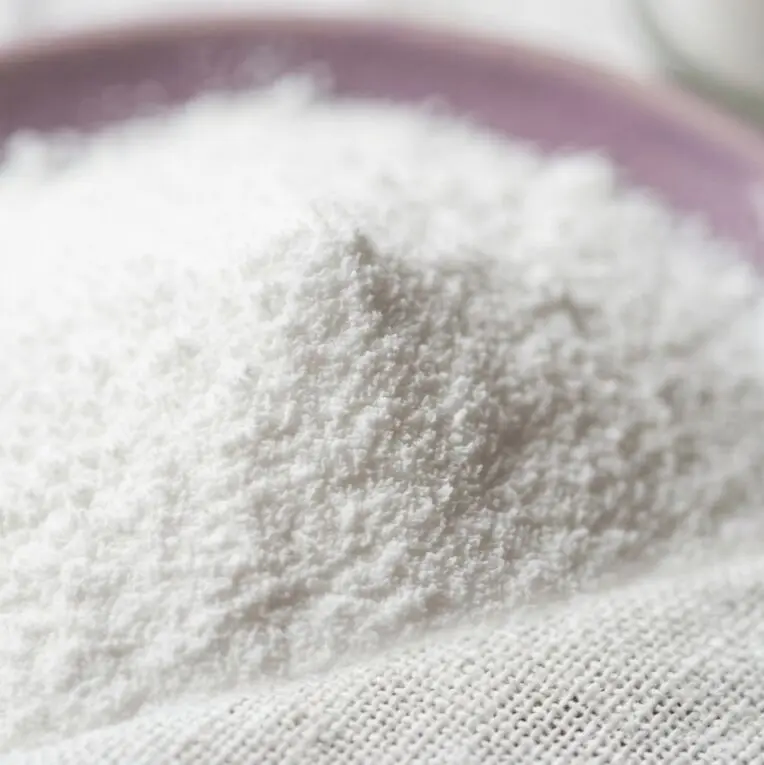
1 / 3

| Product Name | Sodium Hyaluronate |
| Chemical Formula | (C14H20NNaO11)n |
| Chemical Structure |
|
| CAS No. | 9067-32-7 |
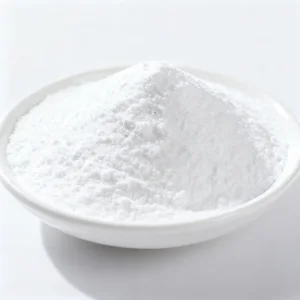
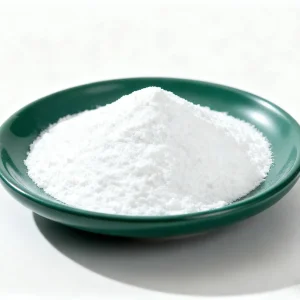
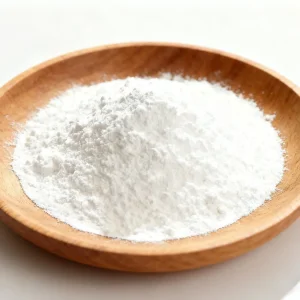
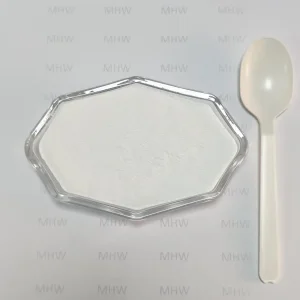
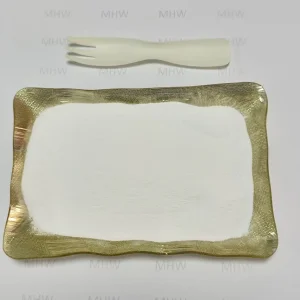
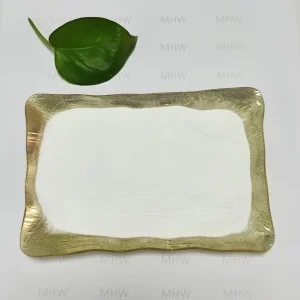
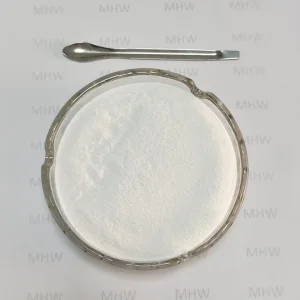
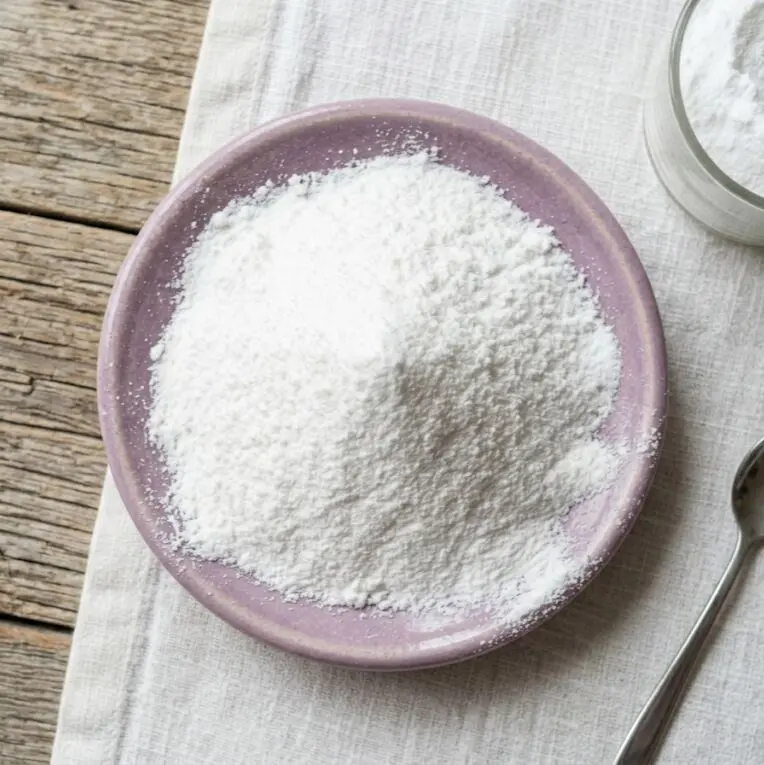
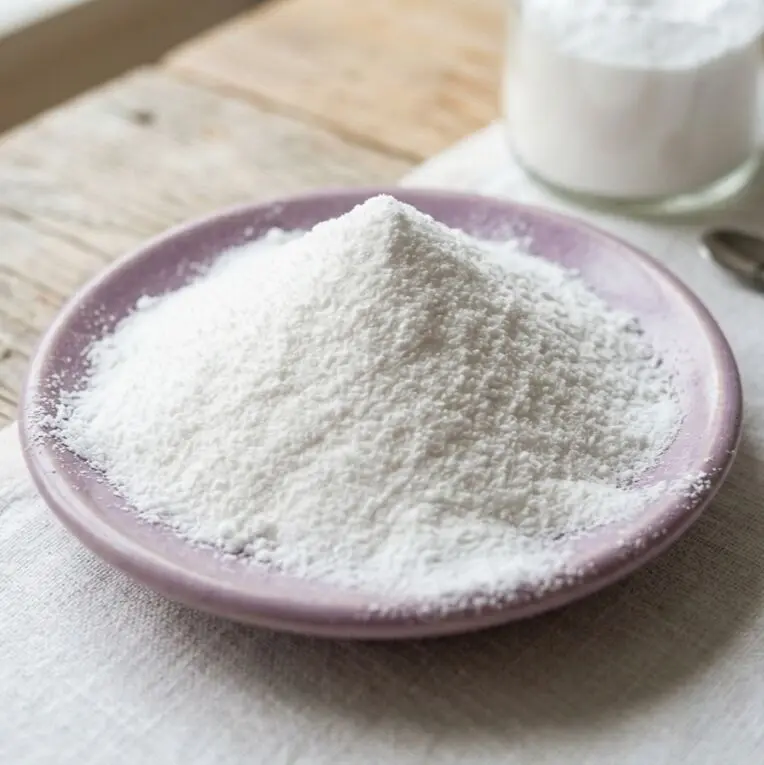
| Appearance | White, fine powder |
| Assay | ≥95% |
| Molecular Weight | 3,000Da–2.0MDa |
| Solubility | Soluble in water |
| Source | Microbial fermentation |
| MOQ | 1kg |
Purified through bacterial fermentation using a non-GMO plant matrix. Cruelty-free, vegan-friendly, and perfectly aligned with green, clean beauty trends.
Forms a breathable, moisture-locking film to reduce water loss. Penetrates multi-dimensionally to restore skin elasticity and plumpness.
High light transmittance with minimal heavy metals or impurities. Highly stable across pH ranges and resistant to degradation.
Integrates seamlessly with thickeners, surfactants, and plant extracts without affecting the color or odor of the formula.
Generally 0.1% – 1.0% (adjust based on specific molecular weight requirements or special efficacy formulations).
Slowly sprinkle sodium hyaluronate powder into deionized water while stirring vigorously to ensure complete swelling. Let it stand for several hours or overnight until fully dissolved into a clear, viscous liquid before adding to the formula.
To accelerate dissolution, completely wet and disperse the powder with a polyol (such as glycerin, propylene glycol, or butylene glycol) before adding to water and stirring. This significantly reduces dissolution time.
Avoid prolonged heating at temperatures above 60°C. Avoid direct mixing with cationic surfactants or strong acids and bases to prevent degradation or precipitation.
It is produced via bacterial fermentation using a non-GMO plant matrix. It contains zero animal-derived ingredients, making it 100% vegan and cruelty-free.
The general recommended addition rate ranges from 0.1% to 1.0%. This can be adjusted depending on the specific molecular weights used and the target efficacy of the formulation.
You can use the Pre-dispersion Method: completely wet and disperse the powder using a polyol (like glycerin or propylene glycol) before adding it to water. This significantly shortens the overall dissolution time.
Our Sodium Hyaluronate ranges from low to high molecular weights, specifically spanning from 3,000 Da to 2.0 MDa.
Yes. Avoid prolonged heating at temperatures exceeding 60°C. Additionally, avoid directly mixing it with cationic surfactants, strong acids, or strong bases to prevent the ingredient from degrading or precipitating.
The minimum order quantity (MOQ) is 1 kg. Standard packaging is 1 kg per aluminum foil bag, though custom packaging solutions can be arranged upon request.