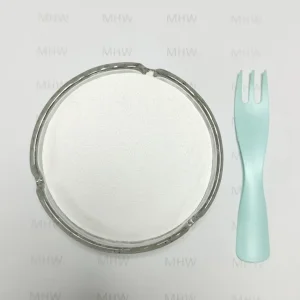
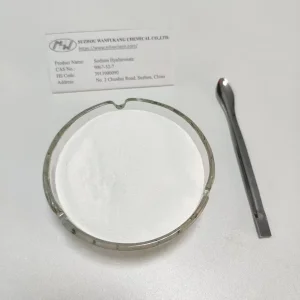
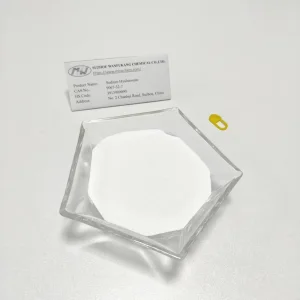
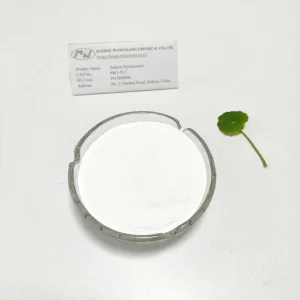
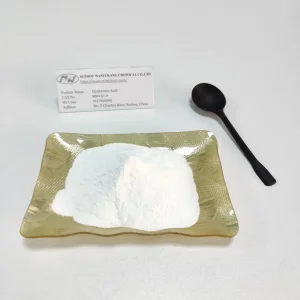
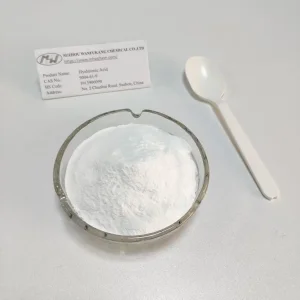
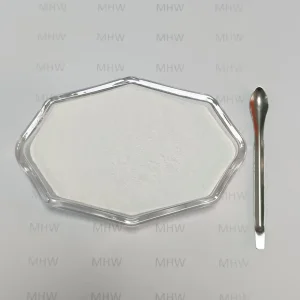
Explore our core range of cosmetic, food, and pharmaceutical-grade Sodium Hyaluronate materials optimized for sunburn therapeutics and hydration repair formulations.
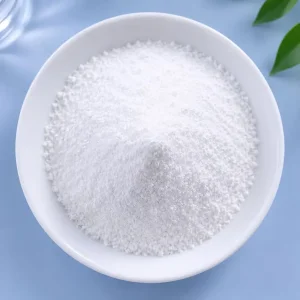
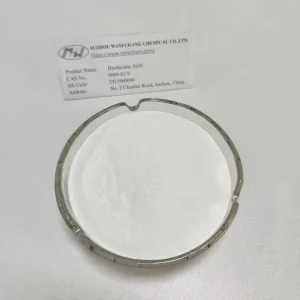
Acute solar ultraviolet (UV) radiation triggers a complex cascade of cellular damage in human skin, primarily characterized by erythema (sunburn), localized inflammatory cytokine surges, and a collapse of the epidermal lipid-moisture barrier. This acute state of photo-damage accelerates trans-epidermal water loss (TEWL) and leads to cellular apoptosis within the stratum spinosum.
As a prominent glycosaminoglycan native to the extracellular matrix (ECM), Hyaluronic Acid (HA) acts as a physical bio-scaffold and a chemical signaling ligand in post-burn tissue regeneration. During sunburn, native HA of the dermal layers is degraded by oxygen free radicals and endogenous hyaluronidase enzymes, exacerbating cellular collapse.
Exogenous application of raw Sodium Hyaluronate from a high-quality supplier allows formulators to combat this process. High Molecular Weight HA forms a non-occlusive, breathable hydrogel film on the raw epidermis, locking in moisture and cooling the skin. Concurrently, Oligo and Low Molecular Weight HA variants penetrate to the basal layers, binding to the CD44 cell surface receptors. This receptor binding suppresses pro-inflammatory cytokines such as TNF-α, IL-1, and IL-6, signaling keratinocytes to accelerate migration and re-epithelialization.
Different molecular sizes of Sodium Hyaluronate provide specialized therapeutic targets for UV-exposed skin. WANFUKANG offers customized molecular weights tailored to specific recovery profiles.
| HA Variant | Molecular Weight Range | Primary Action on Sunburned Skin | Ideal Application Formats | Formulation Synergy |
|---|---|---|---|---|
| Oligo Sodium Hyaluronate | < 10 kDa (Ultra-Low) | Transdermal penetration, deep tissue repair, downregulates inflammatory pathway. | Soothe-and-repair serums, post-sun ampoules, cooling gels. | Vitamin B5 (Panthenol) & Centella Asiatica |
| Low Molecular Weight HA | 10 kDa - 100 kDa | Stimulates cellular tight-junction proteins, repairs compromised lipid layers. | Soothing barrier creams, recovery lotions. | Ceramides & Phytosphingosine |
| Medium Molecular Weight HA | 100 kDa - 1.0 MDa | Maintains sustained hydration in the stratum corneum, supports desquamation. | Sheet masks, sprayable mist formulations. | Aloe Vera Extract & Allantoin |
| High Molecular Weight HA | > 1.0 MDa - 1.8 MDa | Forms a protective breathable film, limits TEWL, prevents mechanical friction pain. | Sunburn first-aid gels, post-exposure body lotions. | Glycyrrhizic Acid (Licorice Extract) |
| Acetylated Sodium Hyaluronate | Modified Polymer | Enhanced lipophilic affinity, dual-action anchoring, long-lasting moisture retention. | High-end cosmetic sunburn recovery creams, repairing balms. | Squalane & Shea Butter Esters |
The demand for Hyaluronic Acid in sunburn recovery formulations has witnessed exponential growth. Globally, consumers are transitioning from traditional heavy mineral-oil-based ointments to clean-label, bio-fermented active ingredients that offer clinical proof of efficacy.
Regulatory authorities in North America and the European Union are tightening restrictions on chemical UV filters, prompting brands to place higher emphasis on post-exposure repair systems. Cosmetic-grade, vegan-friendly Sodium Hyaluronate has emerged as the premier active ingredient in after-sun skincare, OTC sunburn recovery gels, and clinical post-peel repair creams.
At Suzhou Wanfukang Chemical Co., Ltd., we track localized application demands across major continents, ensuring that our bulk supply aligns with the regulatory demands of international markets.

Welcome to Suzhou Wanfukang Chemical Co., Ltd., an innovative leader established in 2016. We specialize in the advanced development, production, and global export of premium cosmetic and food-grade raw materials.
As a top-tier raw material supplier based in China, we leverage state-of-the-art bio-fermentation facilities to deliver highly stable, pure, and efficacious Sodium Hyaluronate powders and liquid formulations. We provide comprehensive B2B sourcing services, including detailed technical consultations, rigorous laboratory testing (in-house and independent third-party audits), logistics, and end-to-end quality assurance.
Contact Us & Get a Quote
Our expertise and reputation in active ingredient sourcing benefit global skincare brands, OTC manufacturers, and cosmetic research facilities worldwide. We prioritize reliability, regulatory compliance, and quality.
Certified Bio-fermentation Process | Halal & Kosher Ready | ISO 9001 Compliant
Years Industry Experience
Annual Sales Volume
Export Destination Countries
Raw Material Portfolio
At Suzhou Wanfukang Chemical Co., Ltd., we combine scientific innovation with structured B2B supply chain integrity.
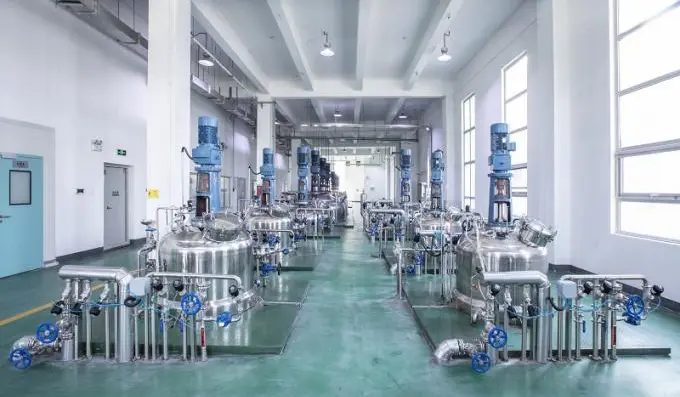
Leveraging our years of experience, advanced technology, and continuous research, our quality fully meets market demands and customer requirements. Numerous customers have proven our commitment to quality through long-term use and repeat purchases. Quality is not only our core competitiveness, but also the cornerstone of our global partnerships.
Designed for immediate relief on first-degree UV burns. Standard recommendation involves combining 0.5% High Molecular Weight Hyaluronic Acid with 0.2% Acetylated Hyaluronic Acid for immediate film protection and deep intracellular repair.
A combination of Oligo-HA with botanical calming factors (such as Aloe and Chamomile). Designed as a sprayable mist format that avoids physical touch pain on sunburned areas while offering instantaneous skin-cooling and radical scavenging properties.
Formulated for the peeling phase of sunburned skin. Medium and Low Molecular Weight Hyaluronic Acid works synergistically with Ceramides to accelerate desquamation, repair lipid matrices, and restore the healthy skin barrier.
Whether you require ultra-low molecular weights down to 3–5 kDa for intense serum repair, or high-viscosity food-grade oral Sodium Hyaluronate to tackle skin hydration from the inside out, our chemical synthesis and enzymatic degradation facilities can cater to your specific molecular criteria.
We offer custom particle size modifications, specific bulk densities, and specialized compound formulations designed for optimal stability in aqueous systems. Connect with our R&D team today to request specific samples and establish a tailor-made bulk delivery system.

Expert answers addressing chemistry, formulation protocols, molecular weights, and export regulations.
While Aloe Vera contains soothing polysaccharides that act as a basic cooling agent, Hyaluronic Acid provides a targeted physiological response. Exogenous HA directly restores the cellular moisture matrix of the damaged stratum corneum, binds to CD44 receptors to actively downregulate inflammatory cascades, and stimulates the cell migration required for fast tissue recovery and skin barrier repair.
A synergistic multi-molecular weight approach is highly recommended. High Molecular Weight HA (>1.5 MDa) forms a protective film on the surface of the compromised epidermis to trap water and minimize friction pain. Simultaneously, Oligo and Low Molecular Weight HA (<100 kDa) penetrate to the deeper layers to downregulate pro-inflammatory cytokines and stimulate new cellular growth.
Our Sodium Hyaluronate raw materials exhibit excellent thermal and chemical stability under proper storage conditions. In formulations, it maintains a stable molecular structure within a pH range of 5.5 to 8.5. Extreme heat or highly acidic conditions can cause depolymerization, so it is recommended to add HA during the cooling phase of emulsion processes (below 40°C).
Yes. Oral administration of Food Grade Low Molecular Weight Sodium Hyaluronate has been clinically shown to increase internal dermal moisture levels. By providing systemic building blocks for natural glycosaminoglycans, it supports the recovery of burned skin from within, helping to combat long-term UV-induced dryness and premature aging.
Absolutely. Our Sodium Hyaluronate is produced via Streptococcus zooepidemicus bio-fermentation using non-animal, vegetable-based growth mediums. This guarantees a pure, vegan-friendly, and non-animal-derived product that aligns with clean-beauty guidelines globally.
We provide a complete documentation package for every export shipment. This includes the Certificate of Analysis (COA), Material Safety Data Sheet (MSDS), Heavy Metal and Microbiological Testing Reports, GMO-free statements, and third-party laboratory verification where requested.
Acetylated Sodium Hyaluronate has both hydrophilic and lipophilic properties. This structural modification allows it to anchor firmly to the damaged lipid matrix of sunburned skin, providing long-lasting hydration, softening the skin, and strengthening the barrier significantly better than standard HA.
Generally, we dispatch orders within 3-7 business days depending on the country of destination and local customs requirements. We utilize customized, moisture-barrier packaging to ensure stability and protect the product throughout the shipping journey.
Review our specialized cosmetic and oral grade formulations. Each is optimized to meet strict global quality criteria for moisture-replenishing after-sun skincare products.