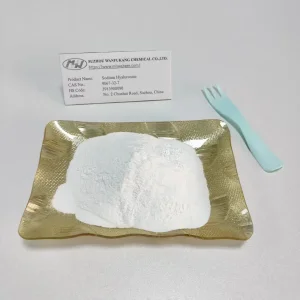
Reliable Active Cosmetic Ingredients (ACIs) Sourced for Leading Dermal Filler Manufacturers
The periorbital region, particularly the tear trough (under-eye area), represents one of the most anatomically challenging zones for aesthetic intervention. Characterized by exceptionally thin skin, minimal subcutaneous fat, and high vascularity, the tear trough requires highly specialized dermal fillers. Sourcing Hyaluronic Acid (HA) raw materials for under-eye applications demands rigorous attention to rheological properties, biocompatibility, cross-linking safety, and molecular stability.
Unlike cheek or jawline fillers which require a high elastic modulus ($G'$) for deep structural support, under-eye fillers demand a balanced rheological profile. A high $G'$ in the periorbital area can lead to unnatural contour changes, visible nodules, and the Tyndall effect (a bluish tint caused by light scattering through superficial gel deposits).
Optimal under-eye HA formulations employ a low-to-medium $G'$ combined with high cohesivity. Cohesivity dictates the gel's ability to remain bound together, preventing migration toward the lower eyelid or malar region. Exporters and chemical manufacturers focus on supplying Sodium Hyaluronate powders that enable formulators to tune these exact parameters through precise cross-linking density.
Raw, uncross-linked Hyaluronic Acid is rapidly degraded by endogenous hyaluronidase within 24 to 48 hours. To provide structural longevity, cross-linking agents—primarily 1,4-butanediol diglycidyl ether (BDDE)—are introduced to covalent-bond the HA chains. However, residual unreacted BDDE poses risks of tissue toxicity and delayed hypersensitivity reactions.
Standard-setting exporters supply premium cosmetic and pharmaceutical-grade Sodium Hyaluronate that yields highly efficient cross-linking reactions. This efficiency reduces the volume of BDDE required, ensuring that the residual unlinked BDDE in the final sterile product remains well below 2 ppm, complying with stringent global pharmacopoeias.
The transition from rooster-comb derived HA to bacterial fermentation (typically using *Streptococcus zooepidemicus*) has eliminated animal-pathogen contamination risks. Today, next-generation manufacturers leverage advanced vegan-friendly fermentation setups that utilize plant-based peptones.
This bio-synthetic pathway ensures the strict elimination of endotoxins (monitored via LAL testing, targeting thresholds below 0.01 EU/mg for ophthalmic and injectable uses) and heavy metal residues. Minimizing these contaminants is crucial for under-eye fillers to avoid localized inflammation and late-onset granulomas.
B2B purchasers evaluating exporters must cross-examine documentation for raw powder variables, including:
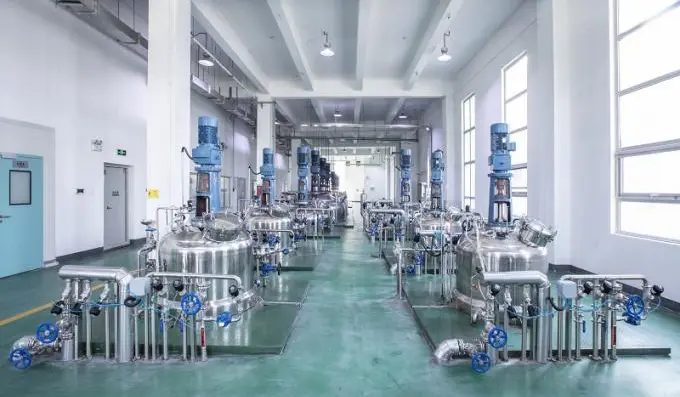
Suzhou Wanfukang Chemical Co., Ltd. is an innovative company specializing in the development, quality auditing, and export of cosmetic and food-grade active ingredients. Our highly established production base in China leverages advanced bio-fermentation technology and strict quality management systems.
As a top-tier raw material supplier, we facilitate seamless international trade by offering comprehensive B2B services, including inquiries, comprehensive technical support, quality control, laboratory testing (in-house and third-party), factory audits, global logistics, and responsive after-sales support.
Contact Us & Request Samples
Providing Secure, Compliant, and High-Performance Raw Material Sourcing for Global Brands
Leveraging our years of experience, advanced technology, and continuous research, our quality fully meets market demands and customer requirements. Numerous customers have proven our commitment to quality through long-term use and repeat purchases. Quality is not only our core competitiveness, but also our operational baseline.
Our shipping methods vary depending on the specific country. Our packaging is constantly updated and improved based on the latest customs regulations. We guarantee that you will receive your product within 3-7 business days, utilizing premium couriers and temperature-monitored shipping where required.
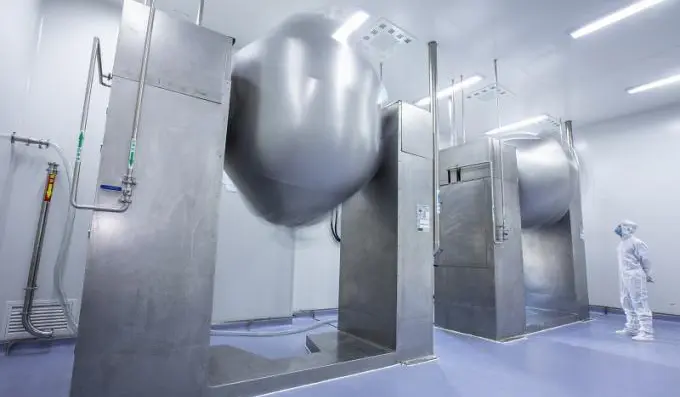
We offer a comprehensive product line, covering a variety of raw material powders and liquid formulations to meet the needs of various industries and applications. Whether for industrial processing, laboratory research and development, or specialized applications in specific cosmetic fields, we can find the right solution for you.
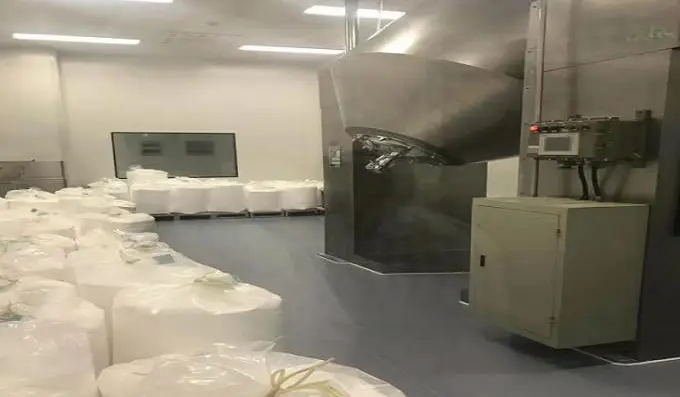
We are customer-centric and provide comprehensive pre-sales and after-sales support. During the pre-sales phase, our professional team will recommend suitable products based on customer needs and answer technical questions. During the after-sales phase, we will continuously monitor customer usage and promptly resolve any issues.
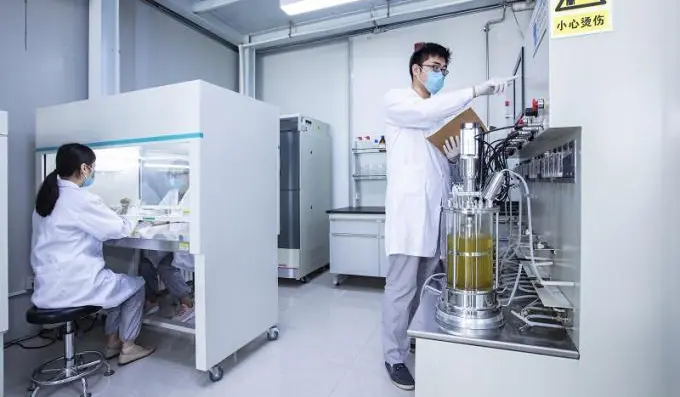
We prioritize customer protection. If a sample fails testing and is confirmed to be a quality issue, we will immediately initiate a reshipment process and resend a qualified sample or ordered product free of charge. We will also cover any associated logistics costs to ensure risk-free B2B purchasing.
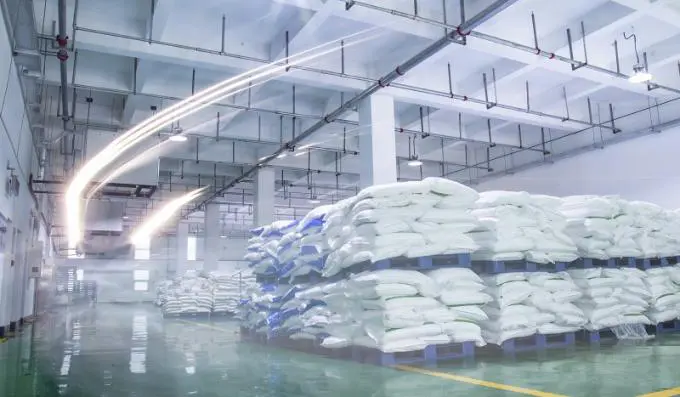
The market for under-eye aesthetic injectables is experiencing rapid evolution. Key drivers include shifting demographics, clinical demand for safer injectable materials, and stricter regulatory criteria enforced by global medical agencies.
Exporting hyaluronic acid for dermal fillers involves navigating dynamic medical regulatory landscapes. Products targeted for aesthetic clinical use must secure regulatory clearance corresponding to their geographical distribution channels:
The industry is moving toward hybrid formulations. Traditional cross-linked HA is increasingly combined with biological active ingredients like Polynucleotides (PN/PDRN) to stimulate localized collagen production while providing immediate hydration.
Additionally, there is a focus on "intelligent cross-linking". Research centers are shifting away from BDDE toward alternative cross-linkers like PEG (Polyethylene Glycol) and Genipin to minimize inflammation.
To maintain production stability and safeguard brand reputation, purchasing directors must establish robust verification pathways. This includes verifying the raw powder's microbiological safety profiles, heavy metal concentrations, and ensuring steady batch-to-batch consistency. Our QA system provides exhaustive analytical certificates (CoA) with every shipment.
Expert Answers on Sourcing, Specifications, and Technical Attributes of Raw Hyaluronate Solutions
For periorbital application, formulators generally prefer a combination of Medium Molecular Weight (MMW, 800-1200 kDa) and High Molecular Weight (HMW, 1200-1500 kDa). The MMW provides easy extrusion, while the HMW ensures scaffold structural integrity and longevity.
Our manufacturing processes utilize advanced microbial fermentation techniques, paired with multi-stage membrane filtration and purification cycles. This controls bacterial endotoxins to exceptionally low levels (typically below 0.05 IU/mg), preventing inflammatory responses.
Yes, our cosmetic and pharmaceutical grade sodium hyaluronate powder is produced via non-animal microbial fermentation pathways, using plant-based growth mediums.
If third-party testing indicates that the delivered raw materials deviate from the agreed specifications outlined in the Certificate of Analysis (CoA), we immediately trigger a free replacement. We manage the freight and logistics at no additional cost to you.
High-End Raw Powders and Liquid Formulations Sourced Globally
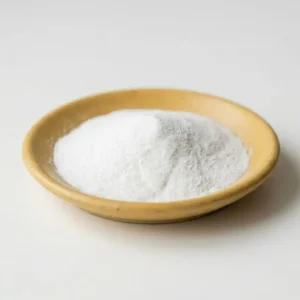
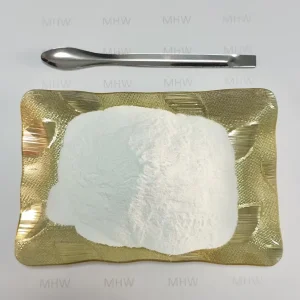
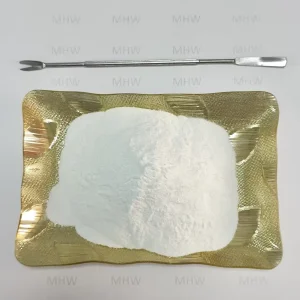
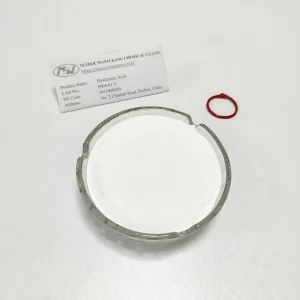
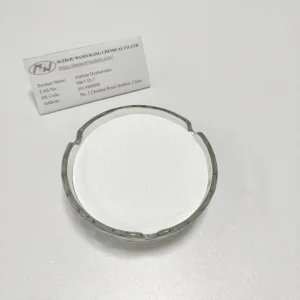
Collaborate with Suzhou Wanfukang Chemical Co., Ltd. for tailored molecular weight distributions, cross-linking analysis support, and volume discounts. Submit your specifications to receive a detailed quote.