1 / 3

| Model Number | F-2026015 |
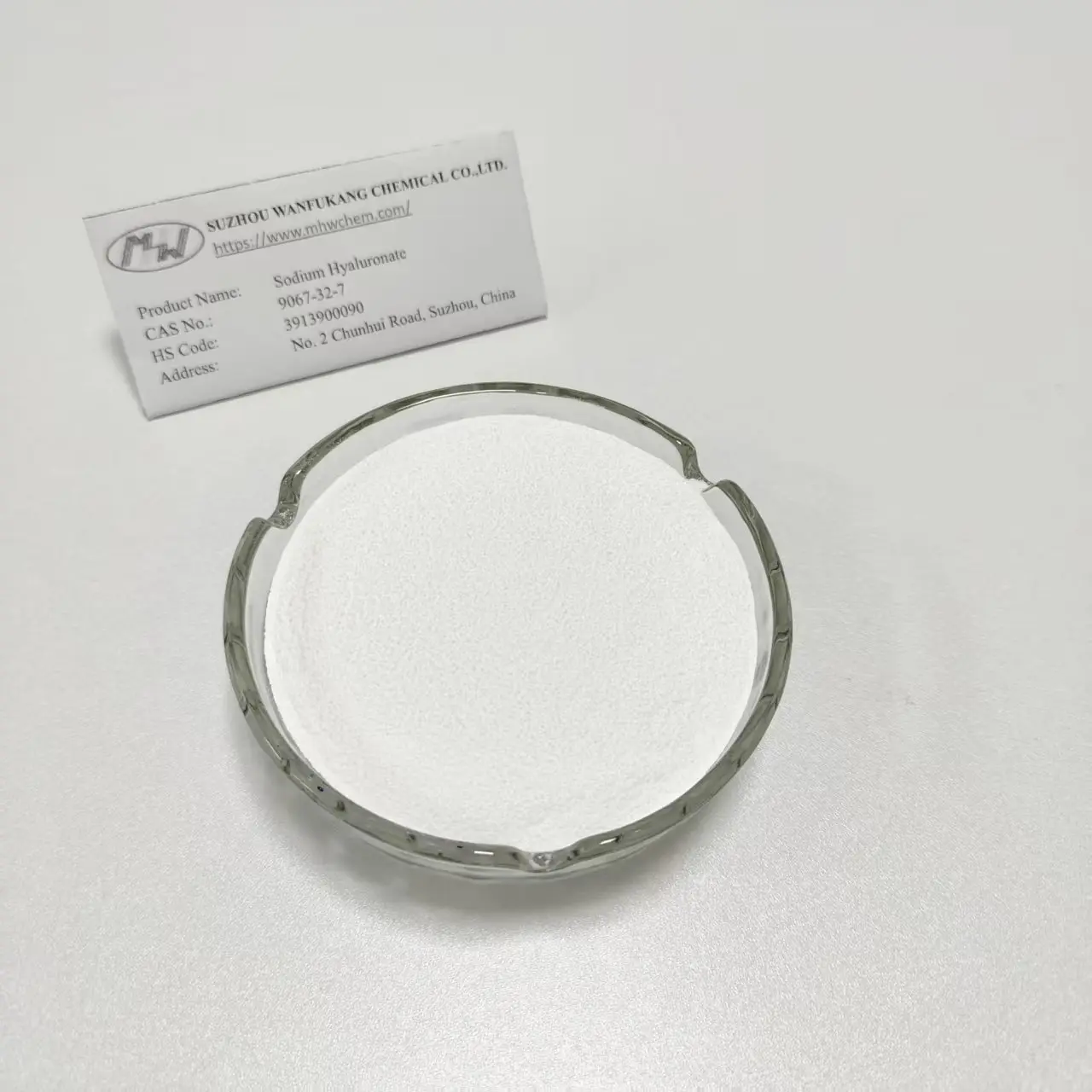
| Product Name | Sodium Hyaluronate |
| Chemical Formula | (C14H20NNaO11)n |
| Chemical Structure |

|
| CAS No. | 9067-32-7 |
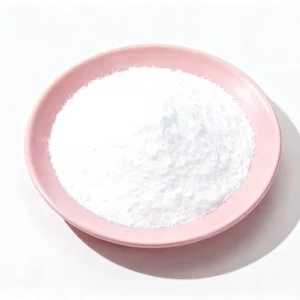
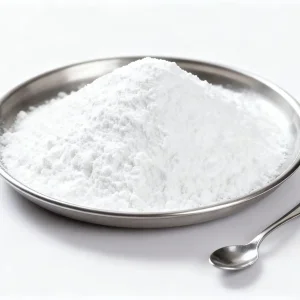
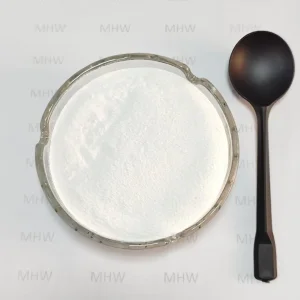
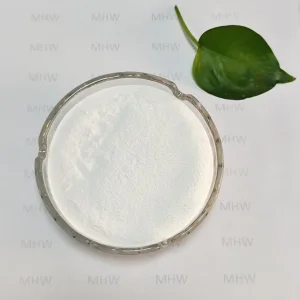
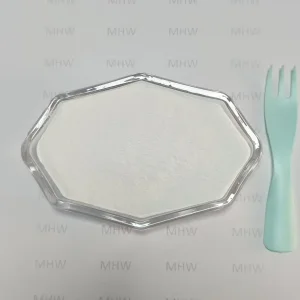
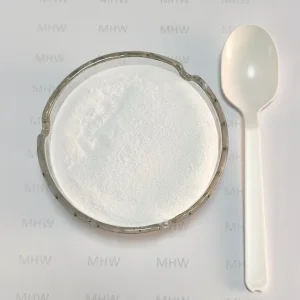
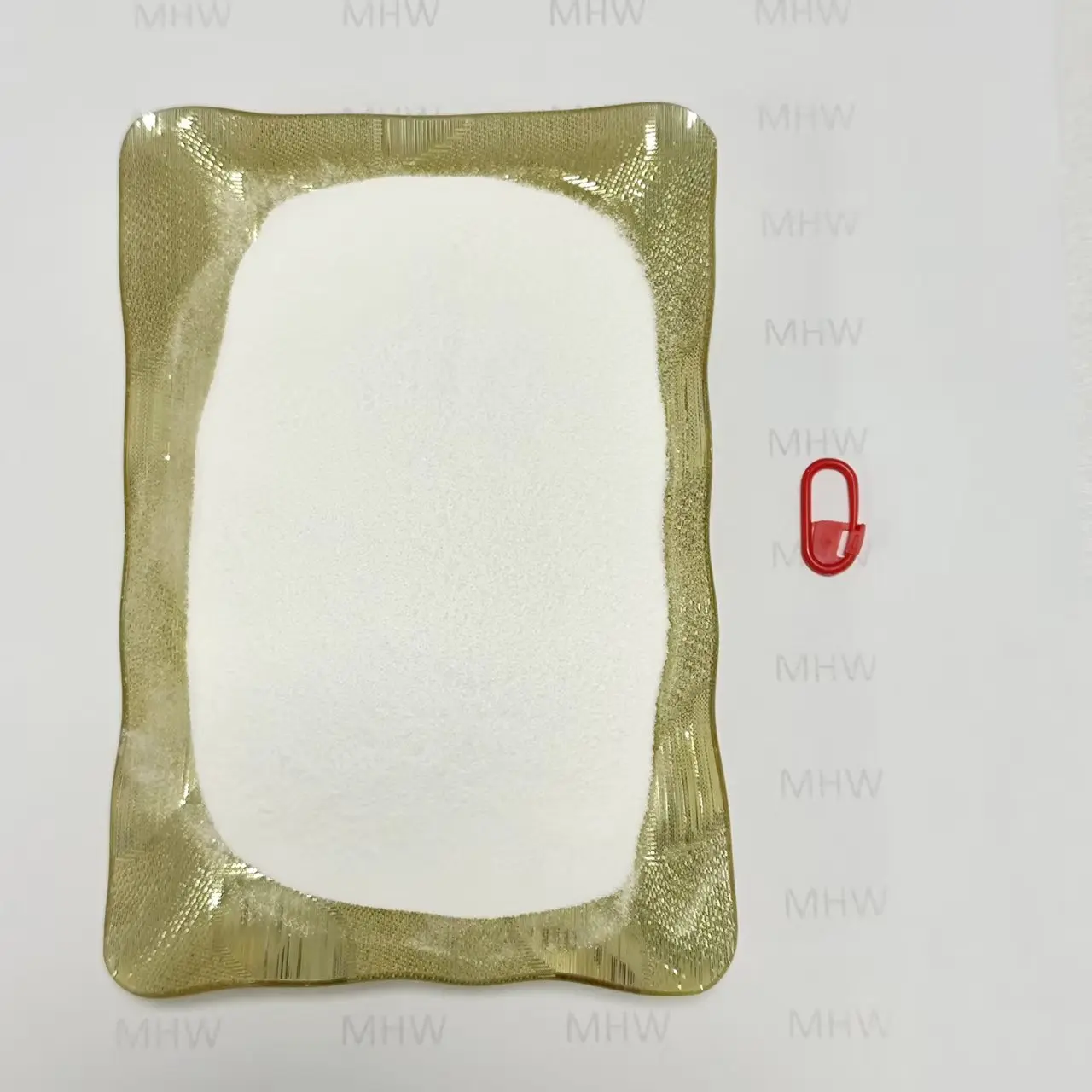
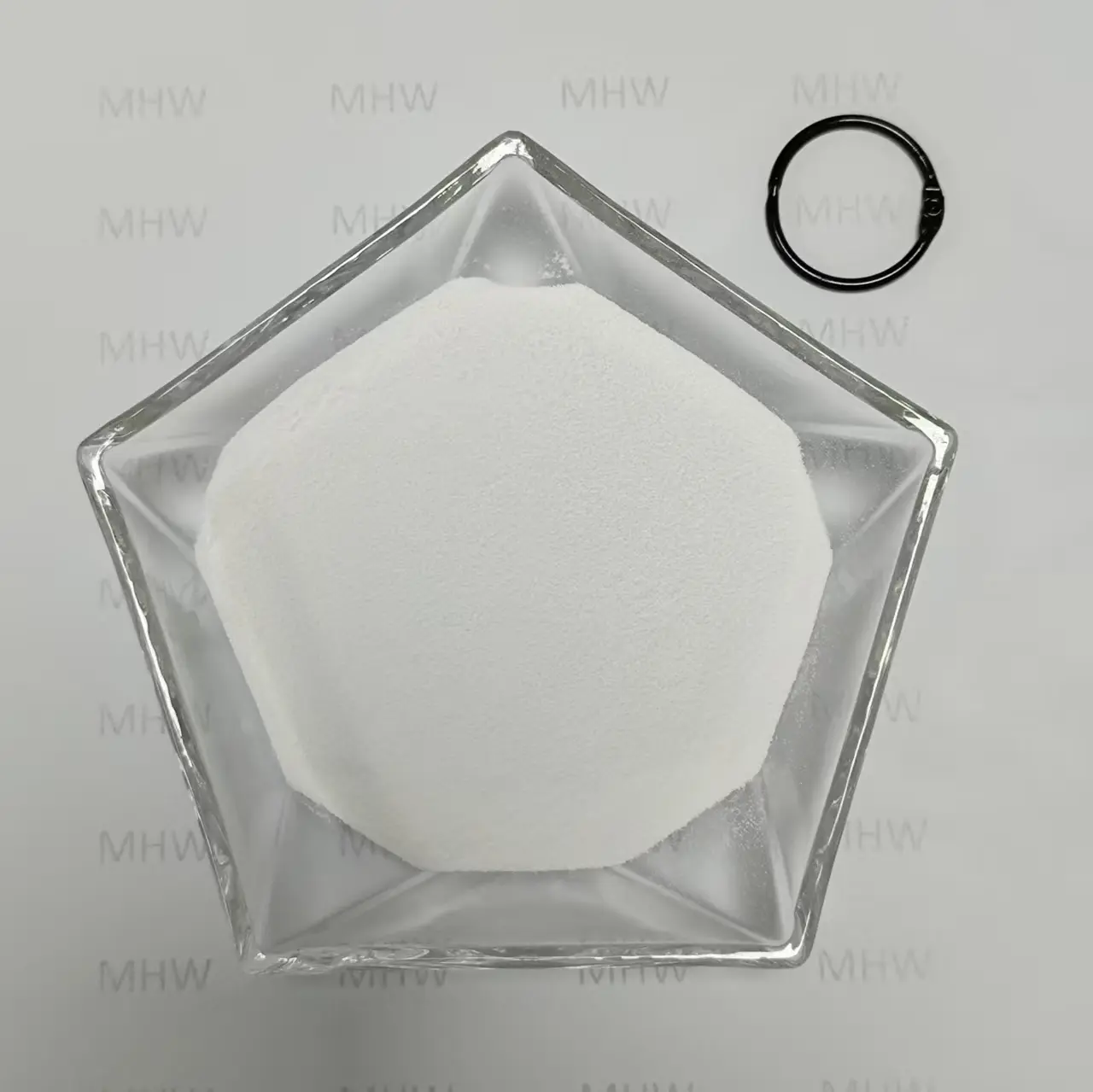
| Appearance | White, fine powder |
| Assay | ≥95% |
| Molecular Weight | High, medium and low molecular weight |
| Solubility | Soluble in water |
| Source | Microbial fermentation |
Passed stringent food safety certifications and complies with food additive standards in various countries.
High sodium hyaluronate content, excellent water solubility, and easy to dissolve evenly in beverages.
Sodium hyaluronate creates a smooth and palatable taste in beverages, enhancing the overall experience.
Suitable for functional beverages, vitamin drinks, dairy beverages, tea beverages, fruit juices, and energy drinks.
Powdered product is easy to weigh, mix, and dissolve uniformly during production.
Documents & Certifications Certificate of Analysis (COA), Material Safety Data Sheet (MSDS), Technical Data Sheet (TDS), stability data, Halal, Kosher, and other required documents.
Samples Free samples of 10–30 grams are available for customers to test and evaluate, delivered conveniently by courier.
Shipping Products can be shipped flexibly by air, courier, or sea according to customer's preference.
Response We promise to reply to all business and technical inquiries as soon as possible.
A1: Adding a suitable amount can increase the smoothness and mouthfeel of beverages. However, excessive amounts may increase viscosity. It is highly recommended to add according to the suggested dosage guidelines.
A2: Sodium hyaluronate has good heat resistance. However, prolonged heating at high temperatures may affect some active properties. When formulated in carbonated beverages, attention should be paid to overall solubility and stabilization.
A3: Sodium hyaluronate is a natural polysaccharide produced by microbial fermentation and generally does not cause allergic reactions. However, a standard safety assessment is recommended for individuals with specific health conditions.
A4: The powder should be stored in a cool, dry place, sealed in its original container, and kept away from direct light, heat, and moisture to ensure optimal stability.
A5: Under the recommended sealed storage conditions, the shelf life of food-grade Sodium Hyaluronate is typically 2 years from the date of manufacture.
A6: Microbial fermentation provides a highly pure, vegan-friendly, and eco-friendly source of Sodium Hyaluronate. It ensures high stability, strict quality control, and is completely free from animal-derived pathogens.