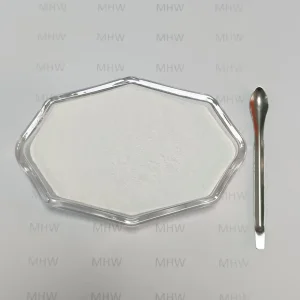
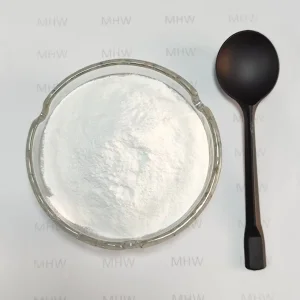
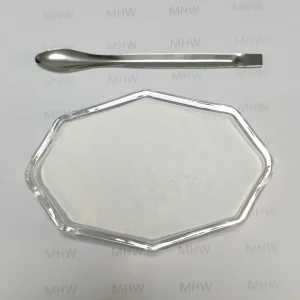
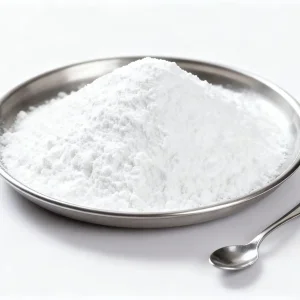
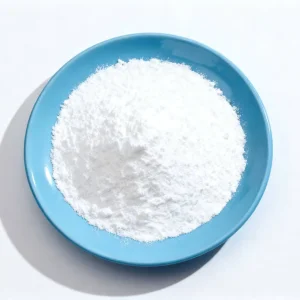
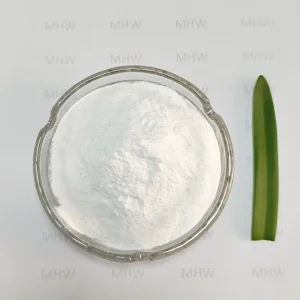
Explore our certified grade sodium hyaluronate and auxiliary beauty ingredients engineered for clinical transdermal formulations and daily cosmetic integration.
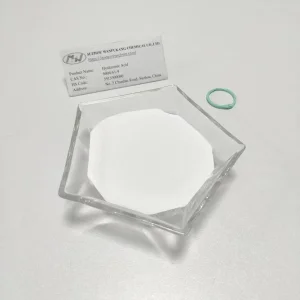
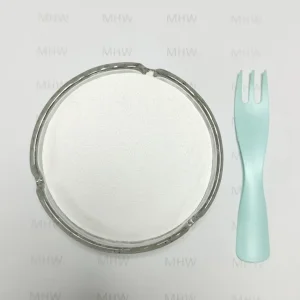
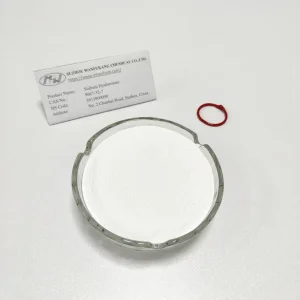
Microneedling, or collagen induction therapy, uses micro-fine needles to create controlled epidermal micro-channels. These channels bypass the stratum corneum barrier, drastically increasing transdermal delivery kinetics for topical substances. However, this transient exposure leaves skin temporarily vulnerable, escalating Transepidermal Water Loss (TEWL) and initiating a transient cytokine-driven inflammatory cascade. Applying high-purity Hyaluronic Acid (HA) immediately post-procedure is clinically critical.
As a natural glycosaminoglycan, Hyaluronic Acid rapidly binds water up to 1,000 times its molecular weight. When introduced via micro-channels, HA serves two clinical purposes: it stabilizes the extracellular matrix (ECM) to accelerate tissue remodeling, and it acts as an osmotic cushion, soothing irritated tissues. To prevent granulomas or immune reactions in open micro-channels, the HA must be ultra-pure, endoxin-free, and biosynthesized under strict aseptic conditions.
Choosing the correct molecular weight distribution is vital. A synergy of High Molecular Weight (HMW) HA and Oligo-HA ensures both surface protection and deep cellular signaling, maximizing microneedling treatment outcomes.
Not all hyaluronic acid behaves the same. Understanding how molecular weight influences skin penetration and cellular signaling is key to designing effective post-microneedling formulations.
Size: >1.5 Million Da (MDa). HMW HA forms a breathable, non-occlusive film on the stratum corneum. It limits TEWL, cushions the raw post-treatment epidermis, and acts as a mechanical barrier against airborne pathogens while micro-channels close.
Size: 100 kDa - 1.0 MDa. These intermediate fractions penetrate superficial epidermal layers. They assist in cellular repair, optimize tight junction integrity, and quickly rehydrate depleted skin cells to reduce post-treatment redness and swelling.
Size: <10 kDa (often 3-5 kDa). Utilizing advanced enzymatic cleavage, Oligo-HA penetrates deep into the dermal matrix. It triggers CD44 receptors on fibroblasts, stimulating endogenous HA synthesis, neo-collagenesis, and rapid tissue remodeling.
From medical spas to industrial cosmetics, different global markets utilize sodium hyaluronate in post-microneedling care according to unique clinical and consumer preferences.
In the US and Canada, post-microneedling care relies heavily on single-use, sterile, preservative-free HA solutions. Formulators require medical-grade, endotoxin-controlled sodium hyaluronate powder to ensure safety and prevent irritation in open micro-channels.
The EU market focuses on COSMOS-validated and ECOCERT-compliant bio-fermented raw materials. Post-microneedling serums must prioritize green-chemistry processing and non-animal derived ingredients, backed by complete toxicological dossiers for safety assurance.
In South Korea, Japan, and China, post-treatment recovery uses sheet masks and ampoules that blend multi-weight HA with soothing actives like Centella Asiatica. These formulations emphasize fast absorption, skin barrier repair, and a fresh, non-sticky texture.
The next generation of post-procedure cosmetics relies on advanced bio-fermentation, targeted delivery, and ingredient synergy. Here is the trajectory of our research and development.
Replacing traditional chemical degradation with eco-friendly enzymatic shearing. This process yields ultra-low molecular weight HA (3-5 kDa) with uniform size distribution and low polydispersity, ensuring deep epidermal penetration without triggering inflammation.
Using non-GMO Streptococcus zooepidemicus strains grown on plant-derived peptones. This method eliminates animal-source contamination risk, producing high-purity Cosmetic and Food grade sodium hyaluronate with minimal heavy metals and protein impurities.
Developing light-crosslinked, non-permanent HA hydrogel matrices. These matrices degrade slowly under enzymatic activity, extending the hydration effect post-microneedling and supporting sustained release of active ingredients like peptides and vitamins.
Integrating multi-weight sodium hyaluronate with recombinant human collagen (rh-Collagen) and synthetic exosomes. This combination targets both the hydration and structural phases of skin recovery to optimize post-procedure healing.
China is a global leader in biological raw material production, particularly sodium hyaluronate. Our production facility features advanced automated bio-fermenters, purification systems, and cleanrooms, ensuring high purity, batch-to-batch consistency, and stable pricing.
Our supply chain benefits from localized access to high-quality fermentation inputs, professional biochemical engineers, and robust logistics infrastructure near Suzhou. This allows us to scale production efficiently and offer competitive lead times, helping global brands maintain stable inventories even during shifting market conditions.
We provide full documentation, including COA, MSDS, technical specifications, and third-party laboratory testing, to ensure seamless integration into international manufacturing processes.
Our expertise and reputation in sourcing benefit our global partners. Our mission is to provide the broadest range of high-quality raw materials and one-stop comprehensive sourcing services to meet the needs of all customers and promote human well-being.

Suzhou Wanfukang Chemical Co., Ltd. is an innovative company founded in 2016, specializing in the development and export of cosmetic and food ingredients. We provide comprehensive services from inquiry to delivery.
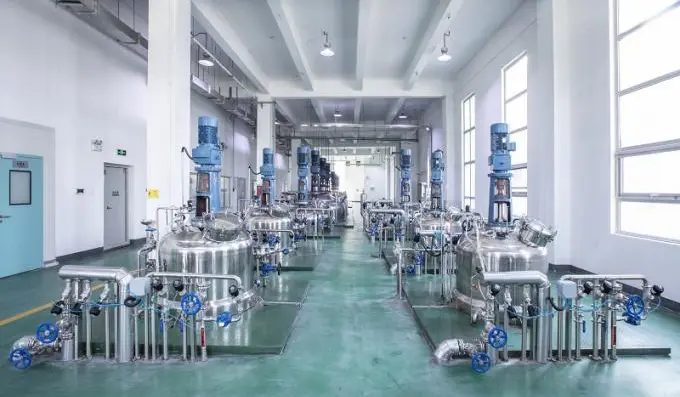
Leveraging our years of experience, advanced technology, and continuous research, our quality fully meets market demands and customer requirements. Numerous customers have proven our commitment to quality through long-term use and repeat purchases. Quality is not only our core competitiveness, but also the foundation of our long-term client relationships. We perform in-house and third-party laboratory testing, maintaining complete factory audits to guarantee purity, trace element control, and microbiological compliance.
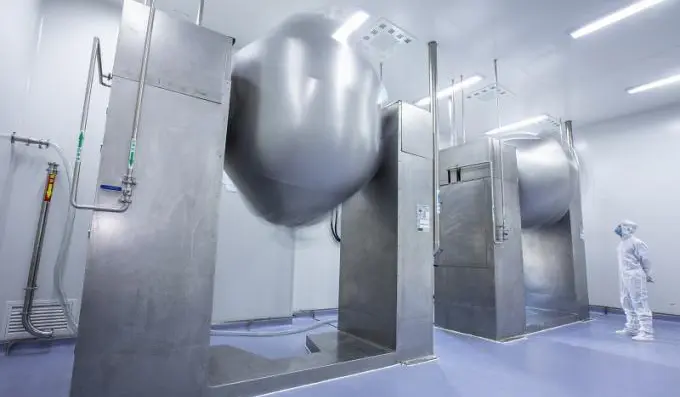
Our shipping methods vary depending on the specific country. Our packaging is constantly updated and improved based on the latest customs regulations. We guarantee that you will receive your product within 3-7 business days. We handle cold-chain and temperature-controlled air freight requests to maintain raw material molecular stability during long-distance transit.
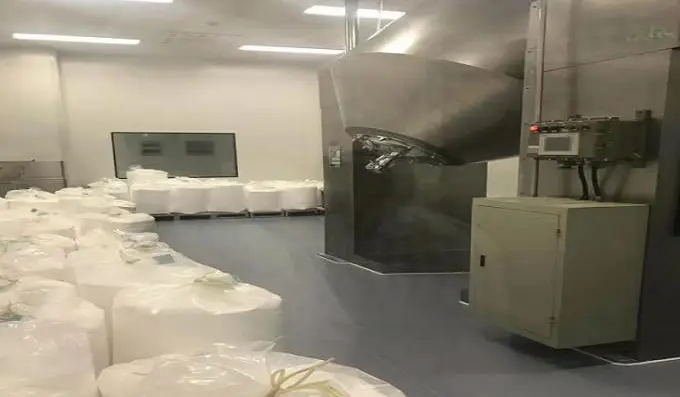
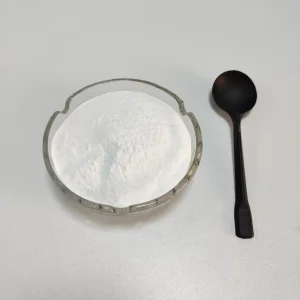
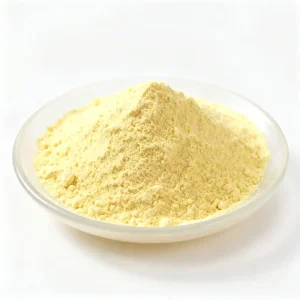
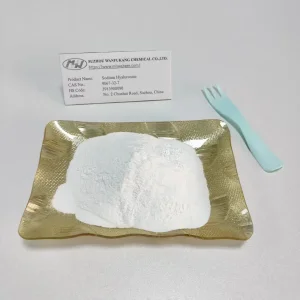
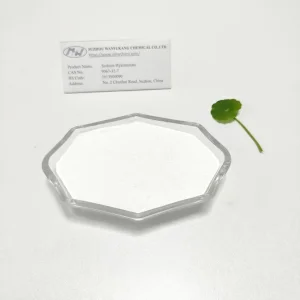
We offer a comprehensive product line, covering a variety of raw material powders and liquid formulations to meet the needs of various industries and applications. Whether for industrial processing, laboratory research and development, or specialized applications in specific fields, we can find the right solution for you. Our catalog includes Oligo-HA, Food Grade, Cosmetic Grade, and Eye Drop Grade Sodium Hyaluronate.
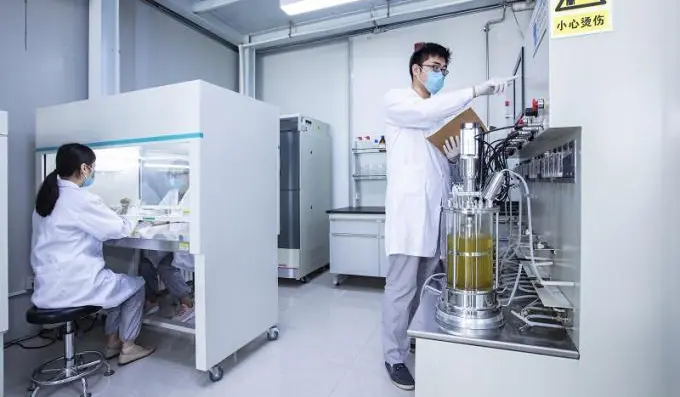
We provide comprehensive pre-sales and after-sales support. During the pre-sales phase, our professional team recommends suitable products based on customer needs and answers technical questions. During the after-sales phase, we continuously monitor customer usage and promptly resolve any issues. We provide customization for specialized particle sizes and viscosity requirements.

We prioritize customer protection. If a sample fails testing and is confirmed to be a quality issue, we will immediately initiate a reshipment process and resend a qualified sample or ordered product free of charge. We also cover any associated logistics costs, minimizing risk for our global purchasing partners.
Scientific explanations to help formulation chemists and brand owners optimize their product performance and safety parameters.
Contact our technical sales team for custom molecular weights, tailored packaging, or batch testing reports. We help streamline your product development lifecycle.
Contact Us Today
From high-performance ophthalmic grades to ultra-low molecular weights, explore our full range of raw materials.