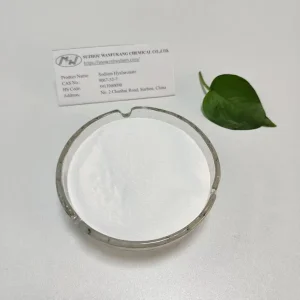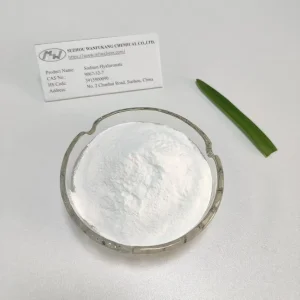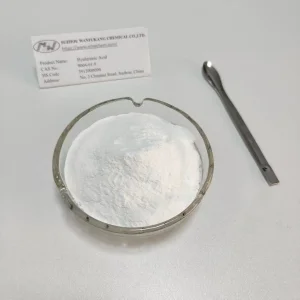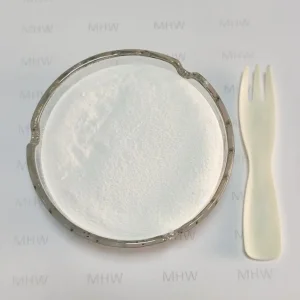
A technical overview of the biochemical mechanisms, skin barrier integration, and formulation challenges associated with these industry-defining active ingredients.
The combination of Hyaluronic Acid (HA) and Salicylic Acid (SA) represents one of the most effective modern pairings in skincare formulation. Salicylic Acid, a lipophilic beta-hydroxy acid (BHA), works by target-penetrating the lipid-rich layers of the stratum corneum and sebaceous gland units, dissolving intercellular cement, and inducing desquamation. While this process is critical for clearing comedones and renewing the skin surface, it invariably accelerates trans-epidermal water loss (TEWL).
To counteract the potential barrier disruption caused by chemical exfoliation, Hyaluronic Acid (a naturally occurring linear glycosaminoglycan) acts as a powerful humectant. It forms a non-occlusive, viscoelastic film that binds moisture to the newly exposed epidermal surface. By using multiple molecular weights—ranging from 3–5 kDa for deep dermal penetration to 1.5 MDa for surface protection—formulators can create a synergistic matrix that dramatically increases ingredient tolerance and therapeutic efficiency.

Formulation Tip: When combining these two ingredients, the pH is critical. Salicylic Acid requires an acidic environment (pH 3.0 to 4.0) to remain un-ionized and active, while traditional Hyaluronic Acid can degrade or lose viscosity at highly acidic pH levels. Utilizing stabilized Sodium Hyaluronate or cross-linked HA polymer chains ensures optimal durability and effectiveness in acidic formulations.
Modern factories face the complex challenge of producing stable, high-performance mixtures of these chemicals. Salicylic acid has notoriously low solubility in water, usually requiring large proportions of alcohol or synthetic glycols, which can cause skin irritation. Innovative manufacturers address this by employing advanced technologies like micro-encapsulation, cyclodextrin complexes, and organic salts of salicylic acid (e.g., sodium salicylate or betaine salicylate). These methods enhance water solubility and ensure a slow, controlled release profile that limits skin irritation while maximizing the hydration properties of low-molecular-weight Hyaluronic Acid.
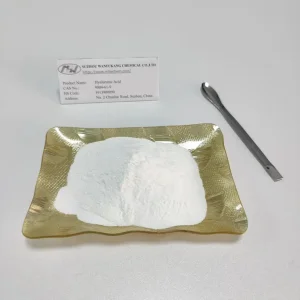
Suzhou Wanfukang Chemical Co., Ltd. is an innovative company founded in 2016, specializing in the development, manufacture, and export of high-grade cosmetic and food-grade raw materials. Based in China, our facilities utilize advanced biological fermentation and synthetic chemistry technologies to serve premium B2B buyers around the globe.
As a top raw material supplier, we provide comprehensive manufacturing and distribution services: from in-depth inquiries and formulation support to rigorous laboratory testing, factory audits, safe global logistics, and compliance support. We specialize in producing custom molecular weights of Sodium Hyaluronate and customized cosmetic solutions.
Contact Us For SamplesUnderstanding supply chains, regional market regulations, and the strategic positioning of Chinese chemical manufacturing facilities.
The global demand for cosmetic-grade raw materials has shifted dramatically toward efficacy-proven ingredients. Hyaluronic Acid and Salicylic Acid are no longer considered specialty ingredients; they are standard actives expected by consumers seeking clinical-grade skincare. According to market research, the combined global market for these two ingredients is projected to grow at a CAGR of 7.2% through 2030, driven by the popularity of multi-step skincare routines and the surge in dermaceutical brands.
China has established itself as the global hub for Hyaluronic Acid production, accounting for over 70% of the world’s raw material supply. Our advanced biological fermentation facilities utilize non-animal, vegan-friendly cultivation methods (predominantly using Streptococcus zooepidemicus fermentation). This ensures high purity, consistent quality, and scalable production, helping global brands mitigate supply chain risks. Concurrently, our synthetic facilities for Salicylic Acid maintain rigorous purification processes to minimize phenol impurities, ensuring safe formulation pathways for global brands.
For international buyers, importing chemical raw materials involves navigating complex regulatory environments.苏州万富康化学有限公司 (Suzhou Wanfukang Chemical Co., Ltd.) ensures full compliance with international regulatory frameworks including:
Compliance with registrations and chemical safety regulations for the European Economic Area.
Ensuring raw materials meet the latest FDA Modernization of Cosmetics Regulation Act criteria.
Offering certified vegan, non-animal-derived materials for diverse consumer demographies.
Supporting green beauty standards with bio-fermented, eco-certified sodium hyaluronate options.
Ensuring efficiency, safety, and quality at every stage of the raw material supply chain.
Leveraging our years of experience, advanced technology, and continuous research, our quality fully meets market demands and customer requirements. Numerous customers have proven our commitment to quality through long-term use and repeat purchases. Quality is our core competitiveness.
Our shipping methods vary depending on the specific country. Our packaging is constantly updated and improved based on the latest customs regulations. We guarantee that you will receive your product within 3-7 business days through verified express routes.
We offer a comprehensive product line, covering a variety of raw material powders and liquid formulations to meet the needs of various industries. Whether for industrial processing, laboratory R&D, or specialized clinical products, we can find the right solution.
We are customer-centric, offering comprehensive pre-sales and after-sales support. Our technical team recommends appropriate products based on your targeted formulation viscosity, pH requirements, and local safety rules, addressing any formulation challenges quickly.
We prioritize customer protection. If a sample fails testing and is confirmed to be a quality issue, we will immediately initiate a reshipment process and resend a qualified sample or ordered product free of charge. We cover all associated logistics costs.
Investing in the future of green chemistry and biopolymer innovation.
Refining bio-fermentation yields utilizing renewable carbon sources, reducing carbon footprint by 25% while maintaining absolute purity of high molecular weight sodium hyaluronate.
Developing silica and plant-based polymeric carrier shells for salicylic acid to allow sustained dermal release, avoiding epidermal shock in acidic skincare products.
Introducing cross-linked hyaluronic matrices combined with active organic acids, creating hybrid molecules that hydrate and target sebum production simultaneously.
Partnering with green logistics networks to supply zero-emission raw material shipments directly from our Suzhou manufacturing base to international markets.
Crucial insights for cosmetic formulators, procurement managers, and production chemists.
Connect directly with our engineering and procurement specialists. We offer free samples, complete certificates of analysis (COA), MSDS documentation, and custom packaging support.
Send Inquiry Now