
Industry Whitepaper: The Global Standardization of Pure Hyaluronic Acid (Pure 100)
In the modern global bio-chemical supply chain, sourcing pure 100% Hyaluronic Acid (Sodium Hyaluronate) requires a deep understanding of microbial fermentation pathways, structural preservation, and molecular weight distribution. Once derived primarily from animal matrices, high-performance sodium hyaluronate is now synthesized through the precise fermentation of non-pathogenic bacterial strains, such as Streptococcus equi subsp. zooepidemicus, followed by advanced multi-stage purification processes.
1. Macro-Industry Solutions: Structuring Formulations via Molecular Weight Division
The biological action of Hyaluronic Acid Pure 100 is strictly defined by its molecular weight (Mw) spectrum. Suzhou Wanfukang Chemical Co., Ltd. provides customized distribution ranges for industrial manufacturers globally:
- High Molecular Weight (HMW) > 1.6 MDa: Prominently utilized in premium topical cosmetics for film-forming properties and protective barrier defense. In clinical dermatology, HMW hyaluronate acts as a natural humectant by forming a cohesive, non-occlusive network on the stratum corneum, preventing trans-epidermal water loss (TEWL).
- Medium Molecular Weight (MMW) 1.0 MDa to 1.6 MDa: Serves as a versatile component in bio-assays and standard cosmetic formulas, balancing viscosity and deep moisture retention.
- Low Molecular Weight (LMW) 100 kDa to 1.0 MDa: Formulated for transdermal penetration, triggering cellular regeneration mechanisms within the extracellular matrix of the dermis.
- Oligo & Ultra-Low Molecular Weight (Oligo HA) < 10 kDa: Capable of deep follicular absorption, typically incorporated in concentrated serums to repair structural skin elasticity.
2. Global Commercial and Industrial Landscape
The demand for high-purity Sodium Hyaluronate is growing rapidly across North America, the European Union, and the Asia-Pacific region. As regulatory bodies enforce stricter bans on animal-derived raw materials, microbial fermentation sources have become the global standard. Quality criteria no longer look only at biological activity, but also evaluate organic volatile impurities (OVIs), heavy metal contamination limits (< 10 ppm), and protein residues.
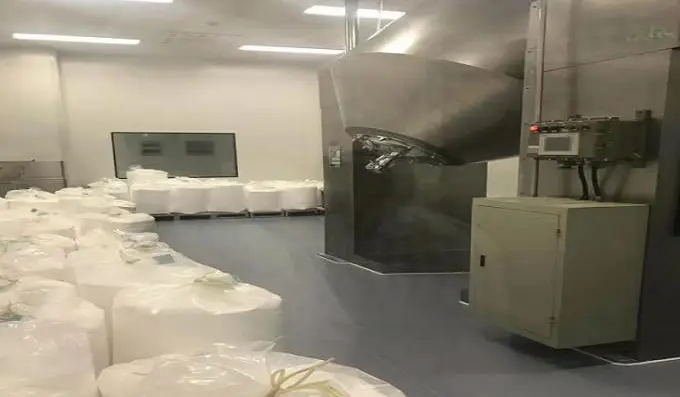
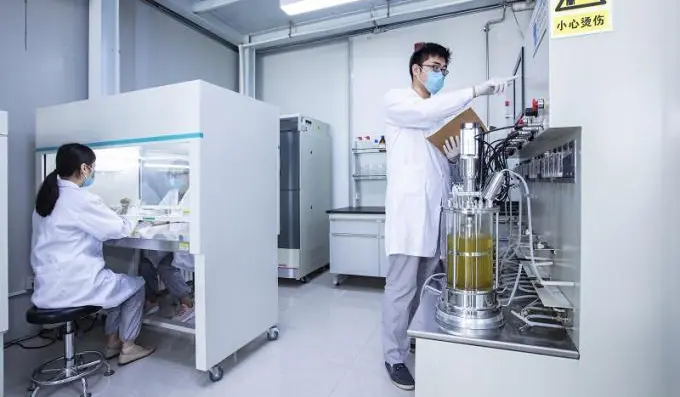
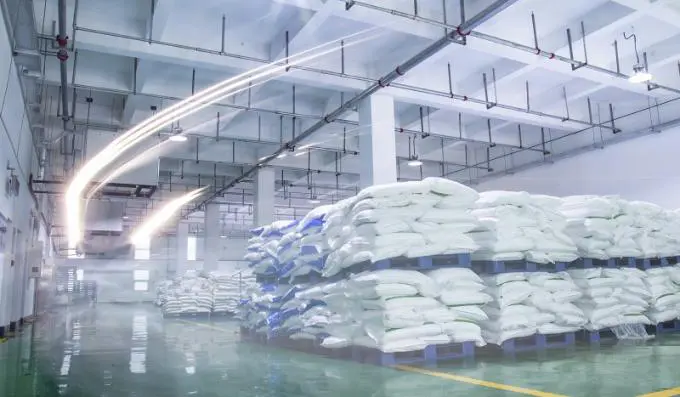
Industrial scale-up demands consistent production capabilities. Suzhou Wanfukang Chemical Co., Ltd. meets these requirements with an annual sales capacity of 500 tons. We supply bulk active ingredients that undergo strict quality controls, including High-Performance Liquid Chromatography (HPLC) validation, ensuring consistent batch-to-batch quality.
3. Technical Roadmap: From Fermentation to Final Extraction
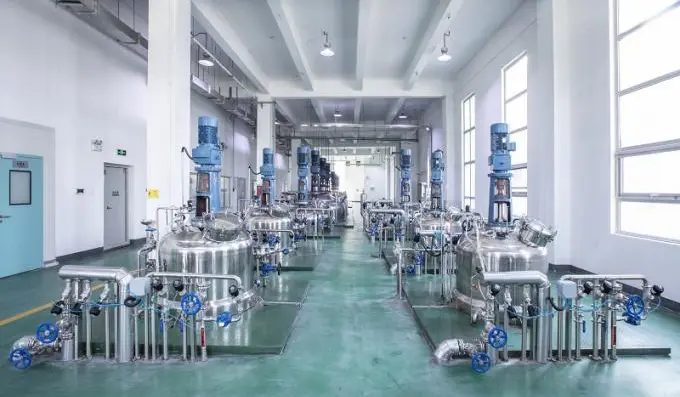
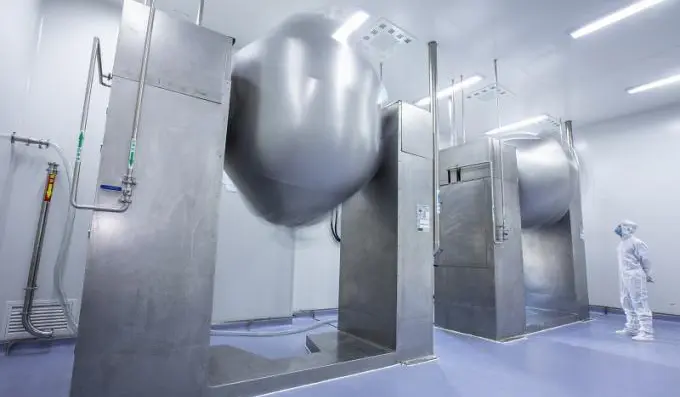
Our extraction methods prioritize safety and purity. Through a clean fermentation process using non-GMO substrates, the crude product is separated from bacterial cells, followed by filtration, ethanol precipitation, and vacuum drying.
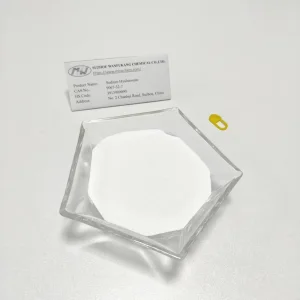
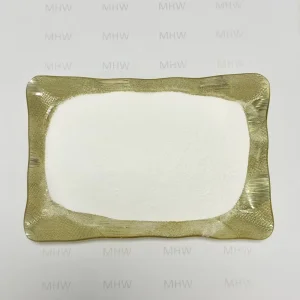
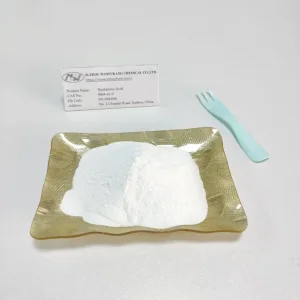
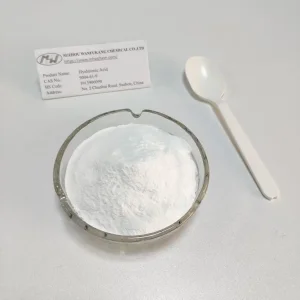
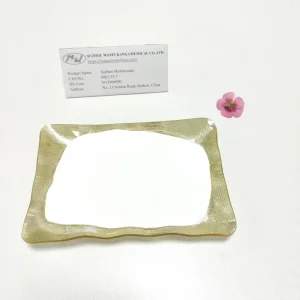
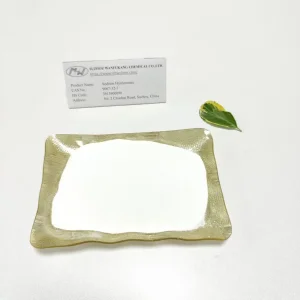
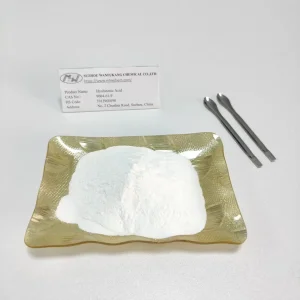
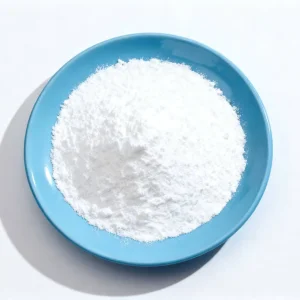
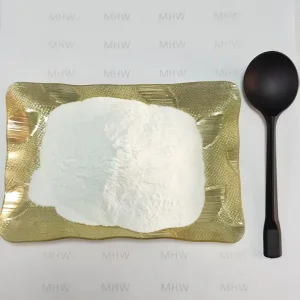
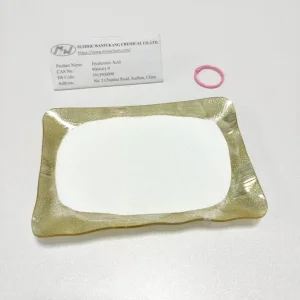
To achieve "Pure 100" quality, the process includes activated carbon filtration to remove endotoxins and ultrafiltration systems to separate small-molecular proteins. This results in white, odorless powder that is highly soluble and exhibits high optical clarity in liquid applications.
4. Sustainable Development and Green Chemistry
The chemical industry is shifting towards eco-friendly practices. Our production process reduces the use of harsh organic solvents and recycles water loops during purification. Furthermore, our vegan-certified sodium hyaluronate is free from animal products, aligning with global consumer preferences for clean, sustainable ingredients.