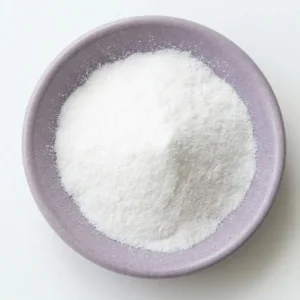
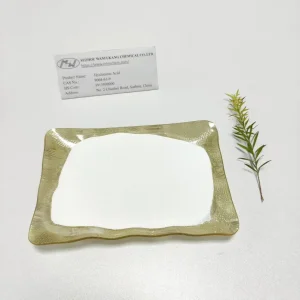
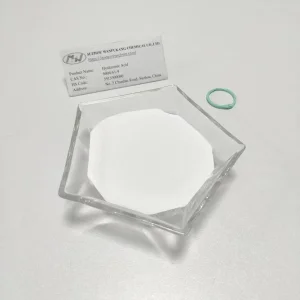
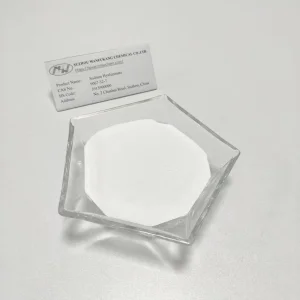
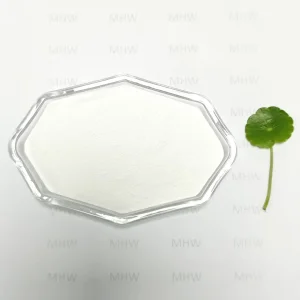
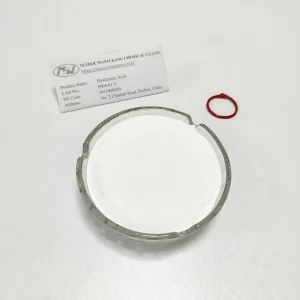
Premium Cosmetic & Food Grade Hyaluronic Acid Ingredients
Explore our industrial-grade Sodium Hyaluronate powders and specialized cosmetic raw materials, direct from our certified manufacturing facility.
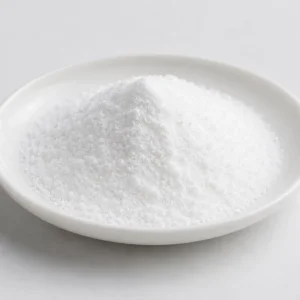
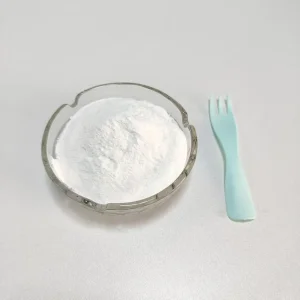
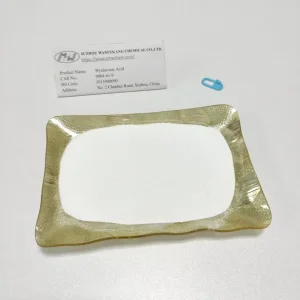
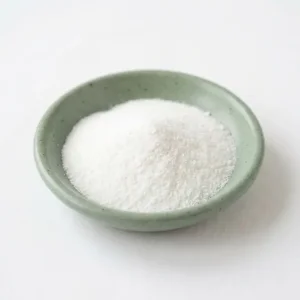
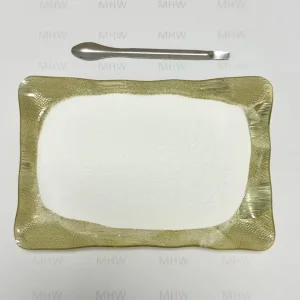
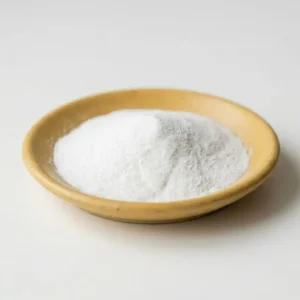
For cosmetic brands, formulation specialists, and B2B buyers, the "Before and After" claim is not merely a marketing hook; it is a clinical metric governed by skin physiology, molecular weight variation, and trans-epidermal dynamics. Hyaluronic Acid (HA), or Sodium Hyaluronate, functions as a powerful humectant capable of binding up to 1,000 times its molecular weight in water. However, the precise visual results seen on consumers' skin depend entirely on the raw material specifications selected during the manufacturing phase.
Low Molecular Weight (LMW) & Oligo HA (< 50 kDa): These ultra-small molecules penetrate the stratum corneum deeply. Clinical "before and after" studies indicate that Oligo HA acts on the dermal matrix, stimulating endogenous collagen synthesis and improving structural elasticity. The long-term visual change is a reduction in wrinkle depth and improved skin elasticity.
Medium Molecular Weight (MMW) (200-600 kDa): This fraction supports barrier defense. It helps lock in trans-epidermal moisture and supports the skin's natural repair mechanisms, making it ideal for soothing formulations.
High Molecular Weight (HMW) (> 1200 kDa): Forming a non-occlusive, protective film on the surface, HMW HA provides instant hydration, surface smoothing, and fine-line reduction. The immediate "before and after" effect is highly noticeable, making it a critical component for hydrating serums and daily moisturizers.
To ensure high quality in finished topical formulations, purchasing managers must look beyond basic CAS No. 9004-61-9 specifications. Sourcing teams should focus on:
Years Sourcing & Export Experience
Tons Annual Production & Supply Capacity
Export Destination Countries Globally
Comprehensive Raw Material Portfolio

Founded in 2016, Suzhou Wanfukang Chemical Co., Ltd. is an innovative company specializing in the development, manufacture, and export of high-grade cosmetic and food ingredients. Operating from a highly established production base in China, we leverage years of process engineering expertise to supply global markets with premium bio-fermented ingredients.
As a leading supplier across various sectors, we offer a comprehensive portfolio alongside reliable technical services. Our operations cover the entire raw material supply chain: technical inquiries, formulation support, strict quality control, in-house and third-party laboratory verification, factory audits, secure logistics, warehousing, and responsive after-sales support.
We work closely with cosmetics brands, pharmaceutical contract manufacturers, and food producers worldwide. By providing custom molecular weight targets and consistent raw materials, we help our partners optimize their formulations and accelerate their product launches.
Industry Trends & Global Procurement Strategies
Understand the macro-market movements shaping the purchase and integration of sodium hyaluronate raw materials.
Modern consumers demand ethical sourcing. Our Sodium Hyaluronate is produced through non-animal bacterial fermentation (Streptococcus zooepidemicus), ensuring 100% vegan compliance and meeting cruelty-free standards.
Finished cosmetic products are shifting from single-weight HA inputs to multi-molecular complex networks. Combining Oligo HA with high molecular weight polymers helps lock in surface moisture while improving deep skin elasticity.
Global brands face tightening regulations under FDA MoCRA and EU Cosmetics Regulations. Partnering with ISO-certified production facilities that offer complete traceability documentation is essential to minimizing compliance risks.
Our Operational Framework & Core Services
From quality assurance protocols to international logistics management, we offer complete support for our raw materials.
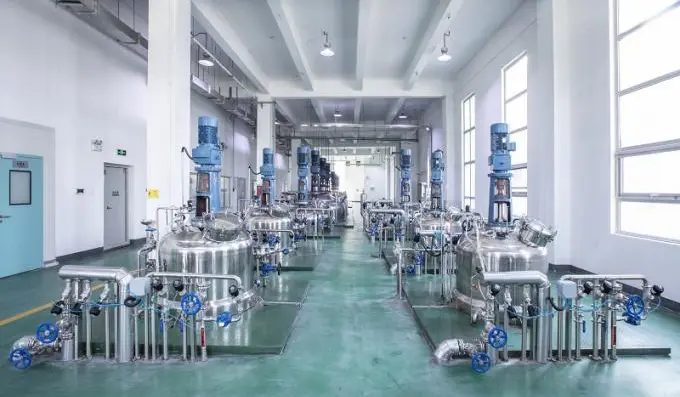
Our quality system is designed to meet demanding market standards and customer requirements. We run continuous stability testing and process controls at every stage of fermentation and drying. By maintaining these strict standards, we ensure high purity, low protein residue, and consistent molecular weight distributions. Our long-term partnerships and repeat purchases demonstrate our commitment to quality as our core competitive advantage.
We tailor our shipping configurations to match regional customs requirements. By monitoring global import regulations and updating our packaging materials accordingly, we facilitate smooth customs clearance and work to deliver your orders within 3 to 7 business days.
We offer a comprehensive selection of raw materials, ranging from ultra-low molecular weight Oligo HA to high molecular weight polymers, available in both powder and liquid forms. This variety allows formulators to select the right ingredients for target skin and joint care applications.
We provide comprehensive pre-sales and after-sales support. Our technical team assists with ingredient selection, dosage optimization, and formulation stability, helping to resolve processing questions throughout your manufacturing cycle.
We stand behind the quality of our products. If a sample or batch fails to meet verified specification standards due to quality issues, we will initiate our reshipment process to send replacement materials at no extra charge, covering all associated shipping costs.
Navigating the global raw materials market requires reliable logistical support, consistent product quality, and strict compliance with local regulations. Our global reach allows us to supply cosmetic and nutritional ingredients efficiently across key international markets, maintaining consistent logistics performance and supporting regulatory compliance.
Primary Sourcing Regions Supported:
 B2B Sourcing Roadmap & Quality Assurance Standards
A technical guide for procurement teams, quality control managers, and formulation chemists evaluating raw material partners.
Early hyaluronic acid extraction relied on animal tissues like rooster combs. Modern cosmetics formulation instead utilizes bacterial fermentation, typically using strains like *Streptococcus zooepidemicus* grown on plant-based culture media. This fermentation process yields a highly pure product with low protein residue, reducing allergen risks and ensuring compatibility with vegan and cruelty-free claims.
The molecular weight of Sodium Hyaluronate directly affects its viscosity in water. High molecular weight HA creates a highly viscous gel, which can improve emulsion stability but may feel tacky if used at high levels. Conversely, low molecular weight HA dissolves easily into water-thin solutions, allowing formulators to use higher percentages without altering the sensory profile of the finished serum.
For international compliance, raw materials must meet strict purity limits. Quality parameters should limit heavy metals to under 10 ppm and arsenic to under 2 ppm, while keeping total bacterial counts below 100 CFU/g. Meeting these thresholds is crucial for brands seeking approval under cosmetic safety regulations globally.
Sodium Hyaluronate powder is highly hygroscopic and must be stored in air-tight, double-bagged containers under cool, dry conditions. Exposure to moisture or high temperatures can lead to clumping and degradation of the polymer chain, which directly reduces the viscosity and efficacy of the ingredient in cosmetic and food formulations.
Technical Sourcing FAQ
Find answers to common questions about specifications, regulatory standards, and manufacturing options for Hyaluronic Acid.
Complete Ingredients Catalog & Sourcing Links
Review our full selection of cosmetic-grade powders and liquid formulas to find the right match for your product development needs.