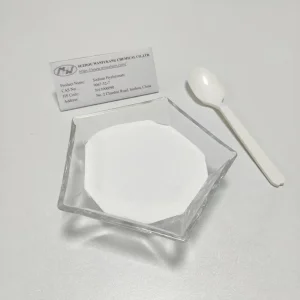
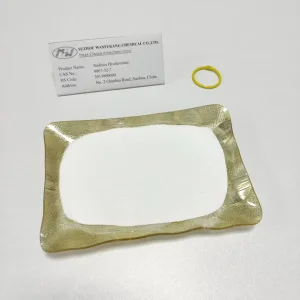
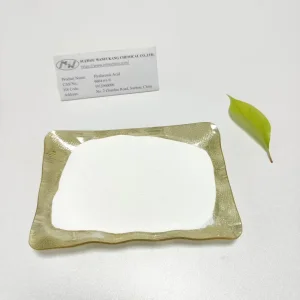
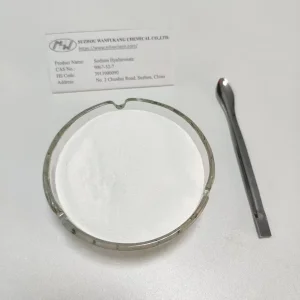
Featured Raw Material Portfolio - Part I
High-purity bio-fermented materials formulated for stability, low toxicity, and ultimate skin compatibility.
In modern dermatological applications and cosmetic formulations, Retinol (Vitamin A) remains the gold standard for accelerating epidermal turnover, stimulating collagen synthesis, and reversing signs of photo-aging. However, its physiological mechanism of action inevitably leads to transient disruption of the stratum corneum barrier. By accelerating cellular shedding, retinol temporarily elevates trans-epidermal water loss (TEWL), resulting in erythema, flaking, and hypersensitivity. This clinical side effect is commonly termed "retinoid dermatitis."
To counteract this, the sequence of applying Sodium Hyaluronate (Hyaluronic Acid) after Retinol is not merely a soothing regimen; it is a biophysiological necessity. Hyaluronic Acid acts as a biomimetic hydrogel network. By binding up to 1,000 times its molecular weight in water, it replenishes the extracellular matrix (ECM) depleted during the initial stages of retinoid application. Crucially, Hyaluronic Acid does not block the cellular penetration of Retinol; rather, it stabilizes the cellular microenvironment, allowing retinoid receptors to bind efficiently while maintaining lipid-barrier homeostatic balance.
| Active Ingredient Grade | Molecular Weight Range (Da) | Dermal Target Layer | Primary Role in Post-Retinol Systems |
|---|---|---|---|
| High Molecular Weight (HMW-HA) | 1.8M – 2.2M Da | Stratum Corneum (Dermal Surface) | Forms a non-occlusive moisture barrier; reduces immediate irritation and TEWL. |
| Medium Molecular Weight (MMW-HA) | 800K – 1.2M Da | Lower Stratum Corneum / Epidermis | Supports epidermal cohesive structure; sustains long-term hydration reserves. |
| Low Molecular Weight (LMW-HA) | 10K – 100K Da | Deep Epidermis / Stratum Basale | Stimulates endogenous HA production; accelerates micro-wound healing. |
| Oligo-Hyaluronic Acid (Oligo-HA) | < 10K Da | Dermal-Epidermal Junction (DEJ) | Triggers cellular repair cascades; counteracts deep retinoid-induced inflammation. |
As a leading China Hyaluronic Acid After Retinol Company & Exporter, Suzhou Wanfukang Chemical Co., Ltd. supplies the entire spectrum of HA molecular weights. This enables cosmetic formulators globally to develop multi-level hydration complexes (such as 3D or 4D Hyaluronic Acid complexes) designed specifically to soothe and reconstruct the skin barrier immediately following retinoid exposure.
Entering international cosmetic and dietary supplement markets requires compliance with stringent regulatory frameworks. Global procurement teams must navigate diverse hurdles, including REACH in the EU, FDA compliance in the United States, and NMPA registration in China. Our regulatory department provides comprehensive, localization-ready dossier support to ensure seamless customs clearance and product listing.
For multinational personal care enterprises and pharmaceutical distributors, securing a reliable, consistent supply chain is paramount. Fluctuations in raw material purity or unexpected delays can halt manufacturing operations. As an experienced exporter, we resolve supply chain bottlenecks through:
China is the global leader in the production and export of Hyaluronic Acid, accounting for over 70% of the world's market share. This dominance is driven by advanced industrial clusters, bio-fermentation technologies, and economies of scale. At Suzhou Wanfukang Chemical Co., Ltd., we combine these domestic supply chain advantages with rigorous quality management to deliver competitive pricing without compromising purity.
Our production base leverages continuous microbial fermentation technologies, using high-yielding, non-pathogenic strains. This scale of production guarantees consistent material availability, insulating our global partners from market supply shocks and enabling rapid volume scaling.

Different consumer markets require customized formulations based on local climates, regulatory limits, and skin types. The table below highlights how our raw materials are utilized in key localized skincare scenarios globally:
| Target Region | Regional Skin Concerns | Recommended Raw Materials | Formulation Strategy |
|---|---|---|---|
| North America & EU | High retinoid usage; dry winter climates; focus on vegan ingredients. | Vegan Bio-fermented HA + Niacinamide Powder | High concentration night repair creams to restore barrier function and combat flaking. |
| East & Southeast Asia | High humidity; preference for lightweight, fast-absorbing textures. | Low Molecular Weight & Oligo HA | Hydrating gels and watery serums that absorb quickly without feeling sticky under sunscreen. |
| Middle East & Latin America | Intense solar exposure; risk of photo-aging and hyperpigmentation. | MMW/HMW Hyaluronic Acid + Ascorbyl Glucoside | Soothing clinical serums designed for post-procedure or post-peeling skin recovery. |
Suzhou Wanfukang Chemical Co., Ltd. is an innovative company founded in 2016, specializing in the development and export of cosmetic and food ingredients. Our production base is located in China and boasts many years of experience and is highly established.
As a top raw material supplier in various sectors in China, we offer a wide range of raw materials and provide comprehensive services including: Inquiries, Technical support, Orders, Quality control, In-house and third-party laboratory testing, Factory audits, Logistics, Warehousing, and complaint handling.
Our Core Services
End-to-end B2B services ensuring quality, safety, and supply security for cosmetic brands worldwide.
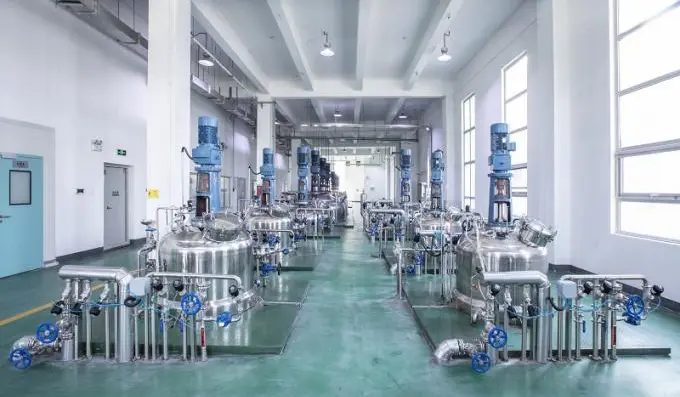
Leveraging our years of experience, advanced technology, and continuous research, our quality fully meets market demands and customer requirements. Numerous customers have proven our commitment to quality through long-term use and repeat purchases. Quality is not only our core competitiveness, but also the bedrock of our business partnerships.
Our shipping methods vary depending on the specific country. Our packaging is constantly updated and improved based on the latest customs regulations. We guarantee that you will receive your product within 3-7 business days.
We offer a comprehensive product line, covering a variety of raw material powders and liquid formulations to meet the needs of various industries and applications. Whether for industrial processing, laboratory research and development, or specialized applications in specific fields, we can find the right solution for you.
We are customer-centric and provide comprehensive pre-sales and after-sales support. During the pre-sales phase, our professional team will recommend suitable products based on customer needs and answer technical questions. During the after-sales phase, we will continuously monitor customer usage and promptly resolve any issues.
We prioritize customer protection. If a sample fails testing and is confirmed to be a quality issue, we will immediately initiate a reshipment process and resend a qualified sample or ordered product free of charge. We will also cover any associated logistics costs.
Partner with us to create custom formulations, adjust molecular weight distributions, or secure dedicated manufacturing capacity. Our experts are ready to assist you from development to delivery.
Inquire Now & Get Free Samples Formulation Q&A (FAQ)
Technical formulation questions answered by our laboratory research team.
Applying Hyaluronic Acid (HA) after Retinol helps mitigate the drying effects of retinol. Retinol accelerates cellular turnover, which can temporarily disrupt the lipid barrier and increase trans-epidermal water loss. Hyaluronic Acid draws moisture into the skin, soothing redness and dryness without interfering with retinol's activity.
A combination of high molecular weight (HMW) and low molecular weight (LMW) Hyaluronic Acid works best. HMW HA forms a protective, moisture-retaining barrier on the skin's surface, while LMW HA penetrates deeper to support cellular repair and soothe irritation.
Yes, all of our Sodium Hyaluronate products are produced through microbial fermentation and are non-animal derived, vegan-certified, and cruelty-free, meeting global regulatory and consumer standards.
Yes. Niacinamide strengthens the skin barrier and works synergistically with Hyaluronic Acid to soothe retinoid-induced redness. Citric Acid can be used in trace amounts as a pH adjuster to ensure the final formulation maintains a skin-friendly pH range (5.0-6.0).
Featured Raw Material Portfolio - Part II
Cosmetic, dietary, and eye drop grade ingredients matching international purity benchmarks.