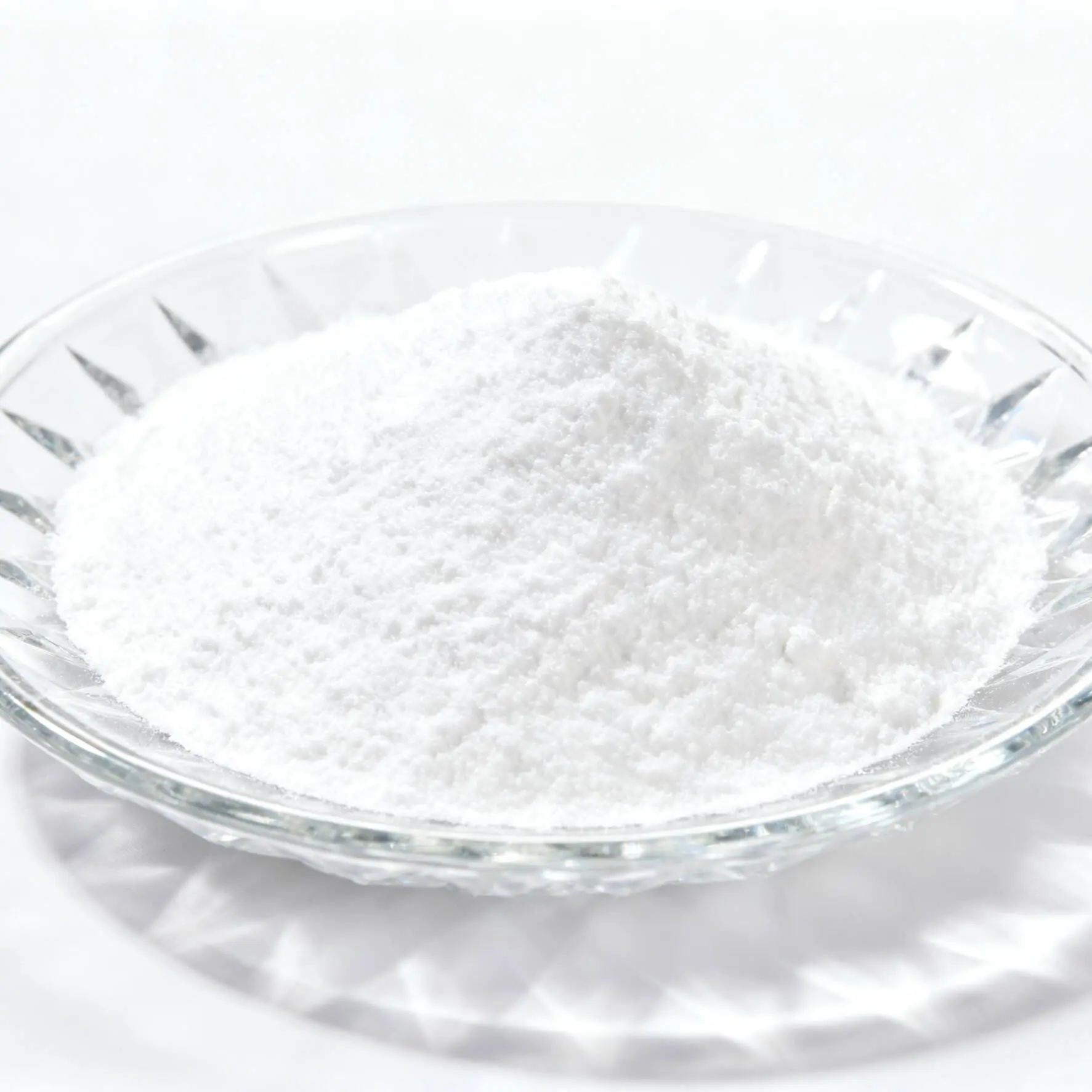

Buy Injection Grade Sodium Hyaluronate Powder High Assay 101% Company, Factory

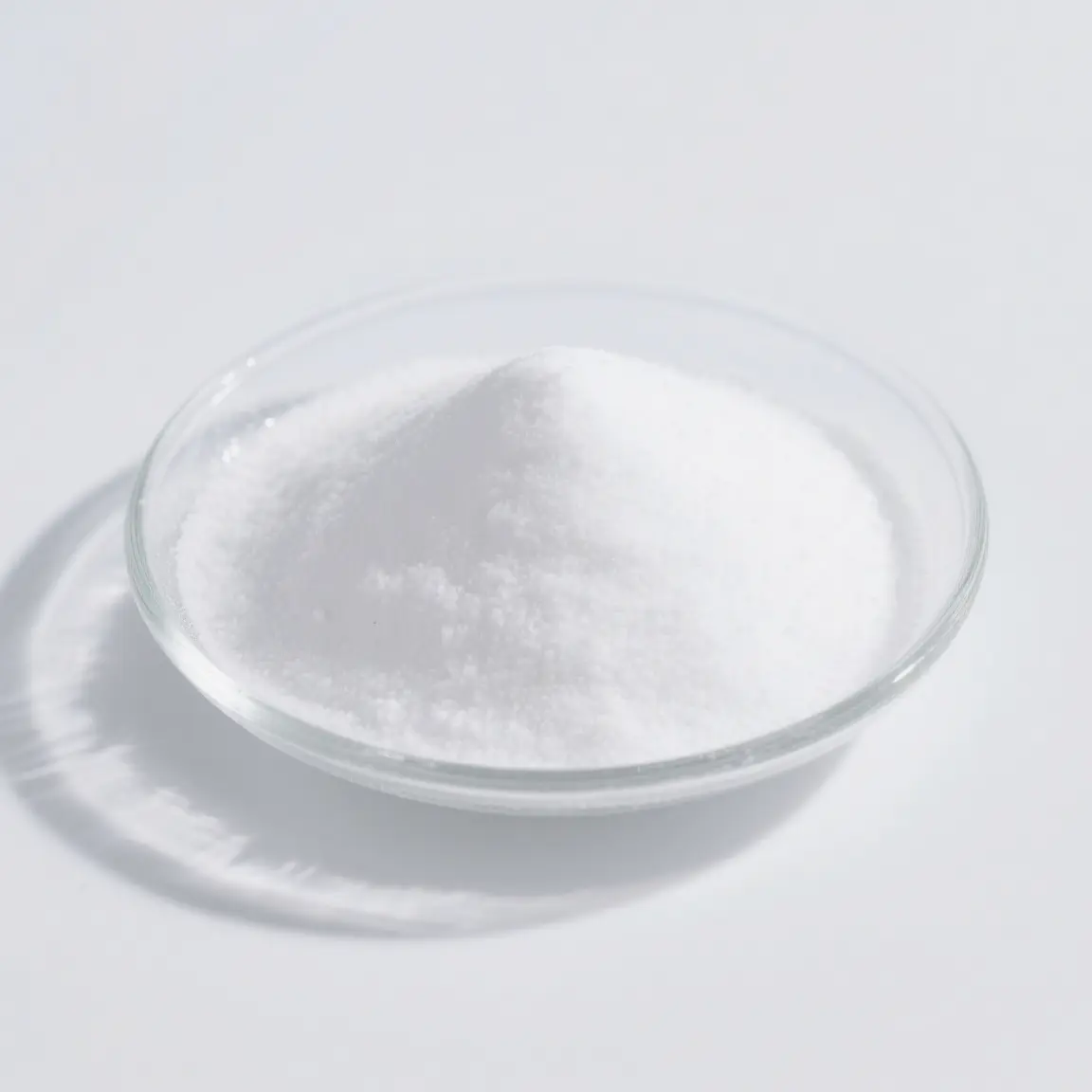
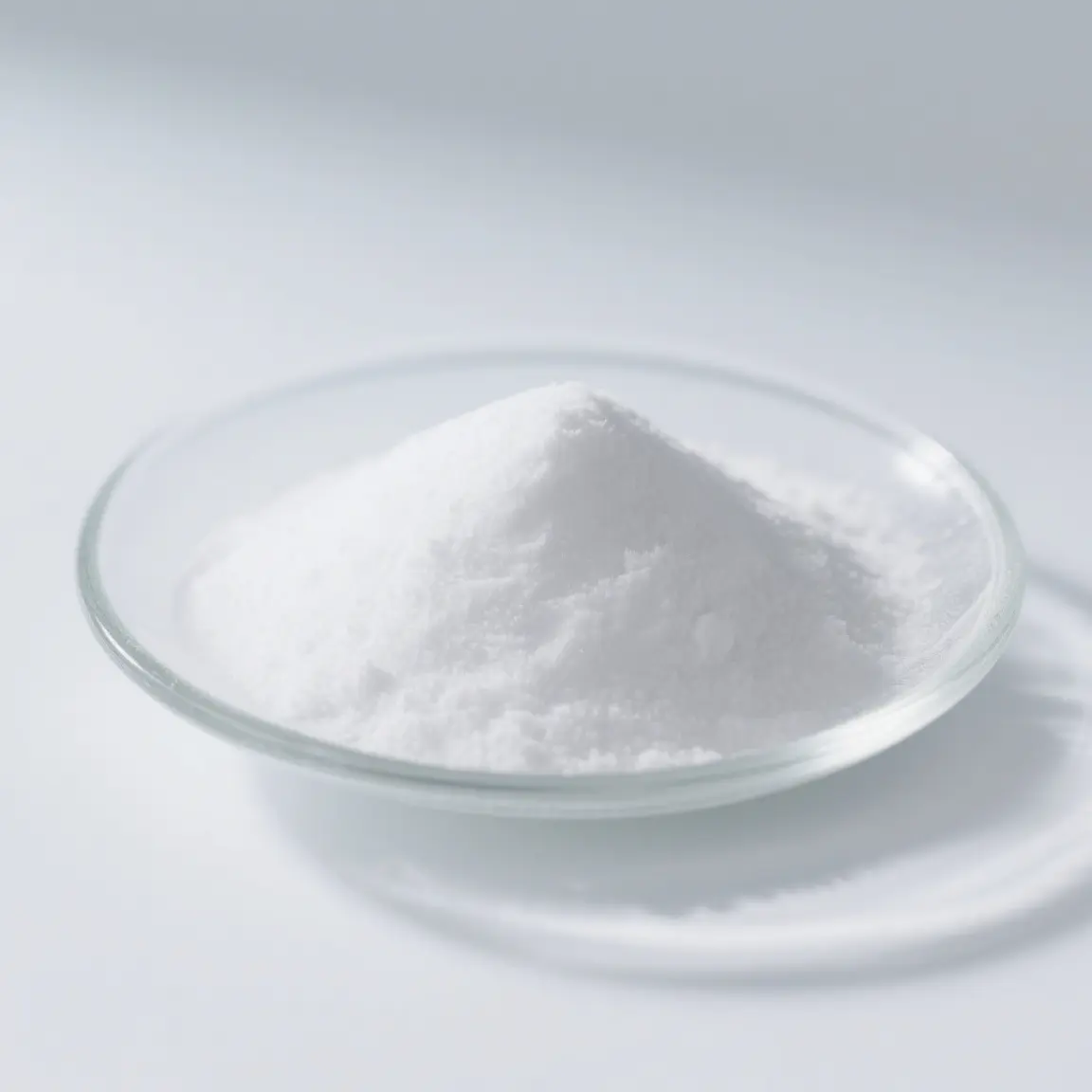
Injection grade sodium hyaluronate is a highly purified, pyrogen-free sodium hyaluronate raw material that meets the quality standards for injectable pharmaceuticals. During its production, strict control is exercised over molecular weight distribution, residual impurities, protein content, microbial limits, and endotoxin levels to ensure high purity, high biocompatibility, and high safety. Injection grade sodium hyaluronate can naturally degrade in the body and has good compatibility with human tissue components, making it unlikely to trigger an immune rejection reaction.

Product Description

Product Specification
Product Name Sodium Hyaluronate
Chemical Formula (C14H20NNaO11)n
Chemical Structure Chemical Structure of Sodium Hyaluronate
CAS No. 9067-32-7
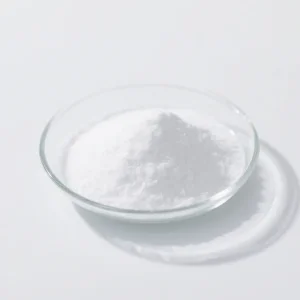
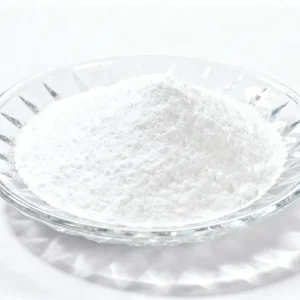
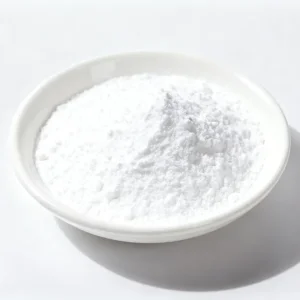
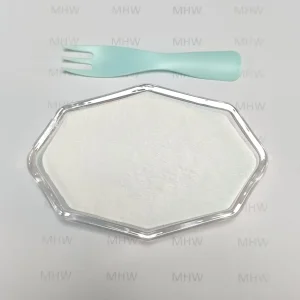
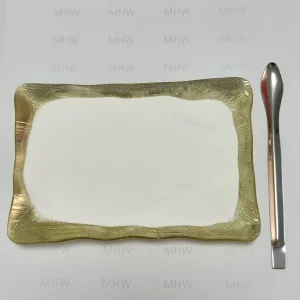
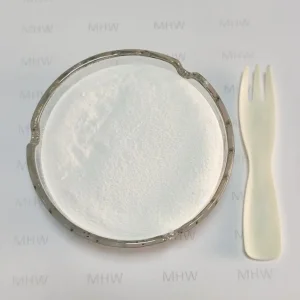
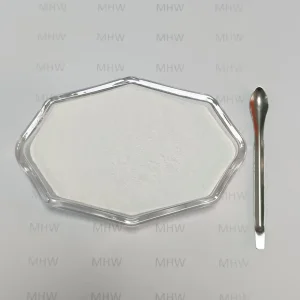
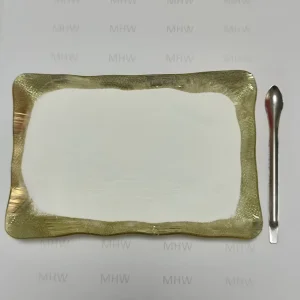
Appearance White, fine powder
Assay 95.0%~105.0%
Application Medical aesthetics
Function Filling and support
Solubility Soluble in water
Heavy metals ≤10ppm
Protein ≤0.1%
Bacterial endotoxins ≤0.05IU/mg
Source Microbial fermentation
Packaging 100g/foil bag, 1kg/foil bag or as per customer’s request.
Shelf life 2 years
Storage conditions Avoid light, refrigerate 2℃~10℃, seal container.
Application Fields
Medical Aesthetics
Injection grade sodium hyaluronate serves as a core base material for injection filler products. Utilizing its excellent moisturizing and tissue-supporting properties, it can be used to improve fine lines, depressions, and facial contouring, while also helping to maintain skin elasticity and improve skin plumpness and radiance.
Orthopedic Treatment
Injection grade sodium hyaluronate plays a crucial role as a joint lubricant. It replenishes damaged synovial fluid, enhances joint lubrication and cushioning, thereby reducing pain in patients with osteoarthritis and improving joint range of motion.
Ophthalmic Surgery
Often used as a viscoelastic protectant, this material maintains the spatial structure of ocular tissues during surgery, reduces invasive friction, protects the cornea and inner eye tissues, and improves the safety and controllability of the procedure.
Tissue Engineering
Also used in tissue engineering and regenerative medicine. Its excellent biocompatibility and biodegradability make it an ideal matrix for cell growth and tissue regeneration, helping to promote wound repair and tissue reconstruction.
Frequently Asked Questions
Q: What is the source and production method of this Sodium Hyaluronate?
It is produced through microbial fermentation, ensuring high purity, biocompatibility, and excellent quality standards suitable for medical grade applications.
Q: What are the recommended storage conditions and shelf life?
The product has a shelf life of 2 years. It should be stored in a sealed container, kept away from light, and refrigerated at temperatures between 2℃ and 10℃.
Q: What is the purity level (Assay) and limit of impurities?
The assay range is 95.0% to 105.0%. Impurity profiles are strictly controlled with heavy metals ≤10ppm, proteins ≤0.1%, and bacterial endotoxins ≤0.05IU/mg.
Q: How does Sodium Hyaluronate function in joint and orthopedic treatments?
It acts as a joint lubricant to replenish damaged synovial fluid. This enhances lubrication and cushioning, reducing pain for osteoarthritis patients and improving overall joint range of motion.
Q: Why is this product used as a protectant in ophthalmic surgeries?
It functions as a viscoelastic protectant that maintains the spatial structure of ocular tissues during procedures. This reduces invasive friction, protects the cornea, and increases surgical control and safety.
Q: What packaging options are available?
Standard packaging options include 100g/foil bag and 1kg/foil bag. Customized packaging solutions can also be provided based on specific customer requests.

Related Products