1 / 3

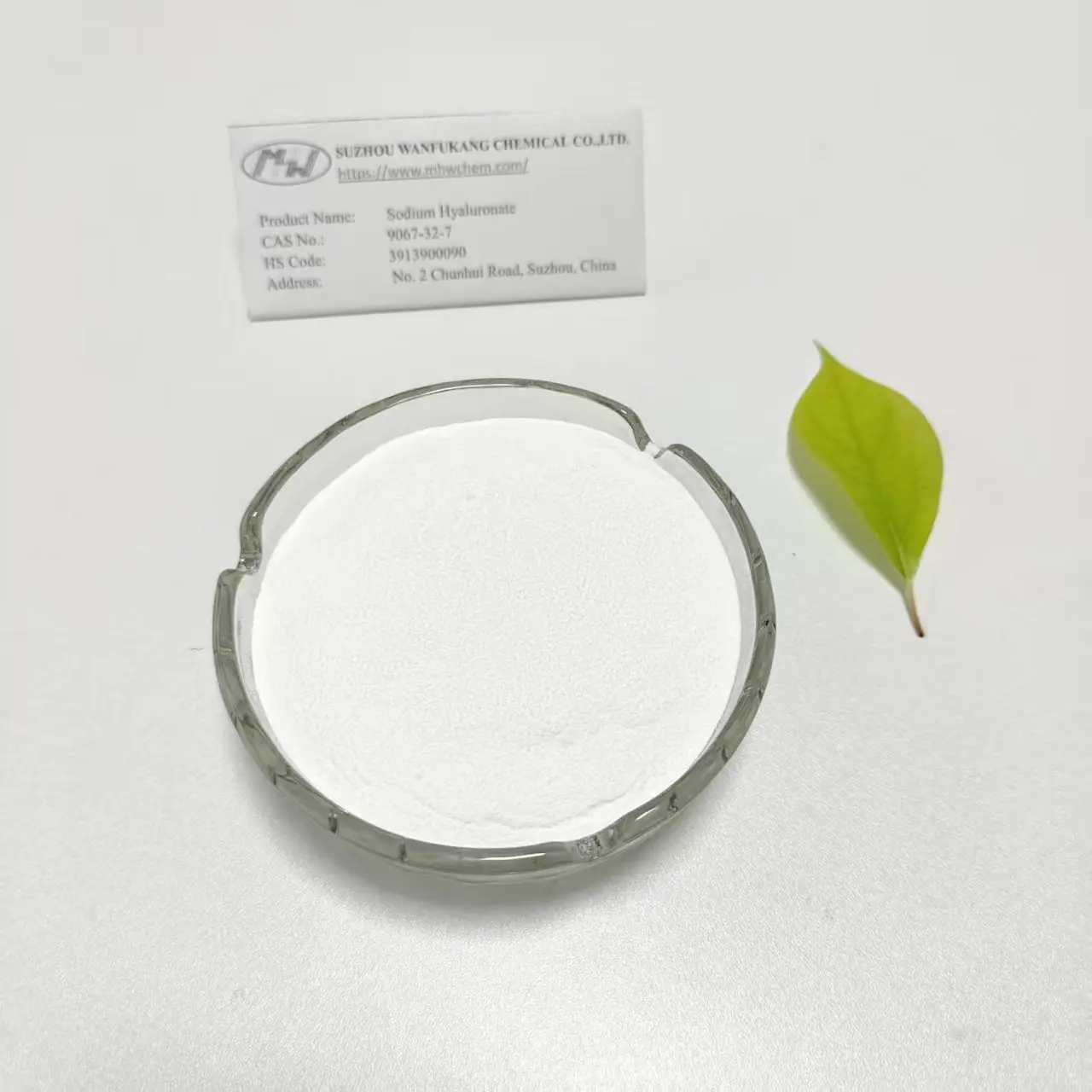
| Product Name | Sodium Hyaluronate |
| Chemical Formula | (C14H20NNaO11)n |
| Chemical Structure |

|
| CAS No. | 9067-32-7 |
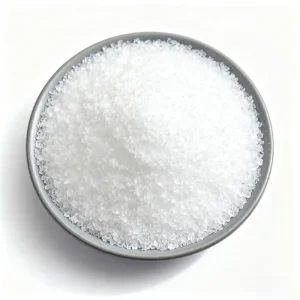
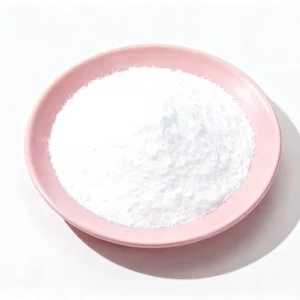
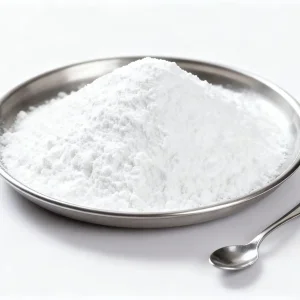
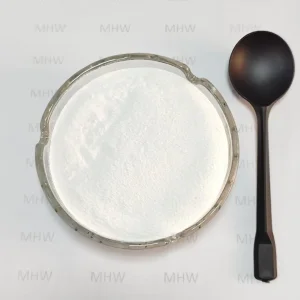
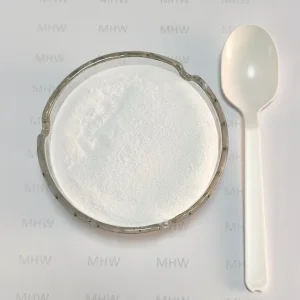
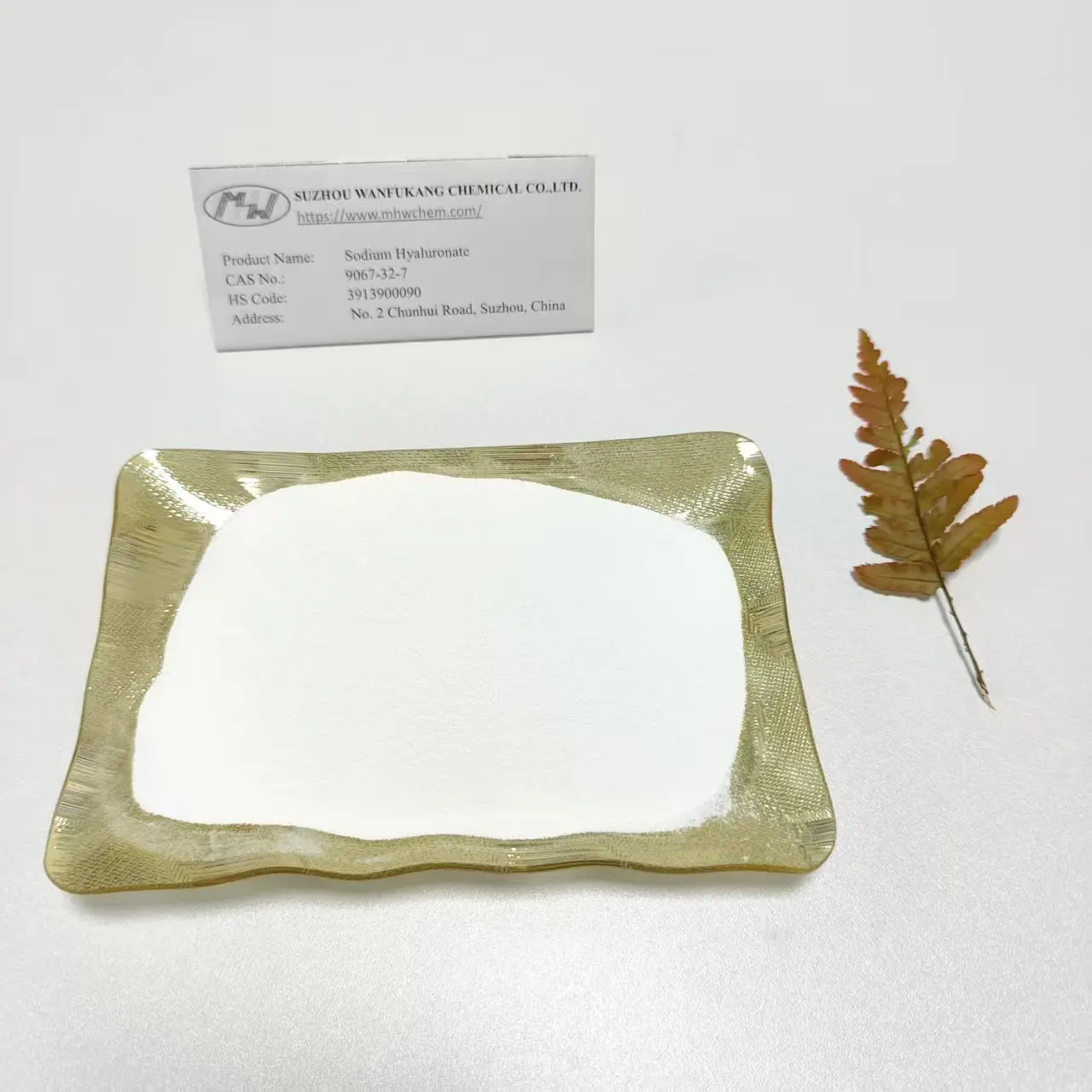
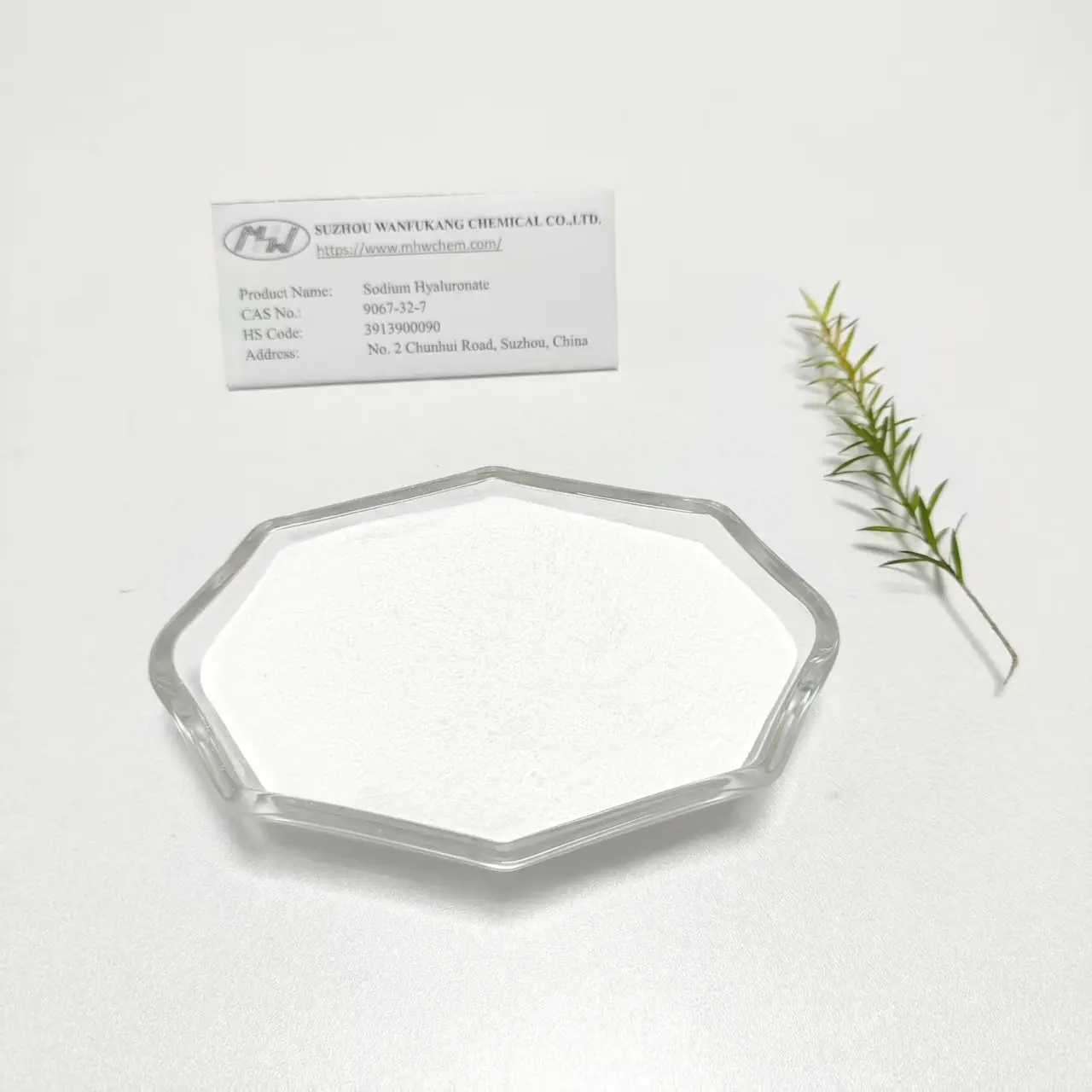
| Appearance | White, fine powder |
| Assay | ≥95% |
| Molecular Weight | Low molecular weight |
| Solubility | Soluble in water |
| Source | Microbial fermentation |
Oral administration of low molecular weight sodium hyaluronate activates skin fibroblasts, promoting the regeneration of collagen and endogenous HA. Clinical studies show that continuous oral administration of 120mg/day of low molecular weight HA significantly improves dry skin, reduces wrinkles around the eyes, and enhances skin elasticity.
Hyaluronic acid is a core component of synovial fluid. Oral administration of low molecular weight sodium hyaluronate replenishes lost synovial fluid, reduces wear and tear on articular cartilage, and alleviates joint stiffness and discomfort caused by exercise or aging.
Low molecular weight sodium hyaluronate exhibits excellent stability in acidic and neutral beverage systems, making it suitable for synergistic formulation with popular ingredients such as collagen peptides, vitamin C, GABA, and niacinamide to create comprehensive anti-aging, sleep-aiding, or sports recovery beverages.
Ordinary high molecular weight sodium hyaluronate readily absorbs water and swells, forming a high-viscosity gel-like liquid. This poses significant technological challenges for beverage processing, including shearing, pumping, and filtration/filling. Low molecular weight sodium hyaluronate possesses high solubility and low viscosity. Even at high concentrations, it maintains the clarity and smooth taste of the water sample, making it perfectly suited for high-speed beverage production lines.
Scientific research shows that high molecular weight sodium hyaluronate is difficult to absorb directly by the intestines. Low molecular weight sodium hyaluronate, obtained through targeted enzymatic hydrolysis, has shorter molecular chains, enabling it to efficiently cross the intestinal mucosal barrier and be precisely delivered to targeted tissues such as the skin and joints via blood circulation, promoting the synthesis of endogenous hyaluronic acid.