1 / 3

| Product Name | Hyaluronic Acid |
| Chemical Formula | (C14H21NO11)n |
| Chemical Structure |
|
| CAS No. | 9004-61-9 |
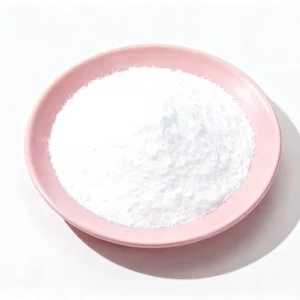
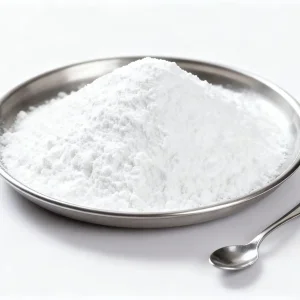
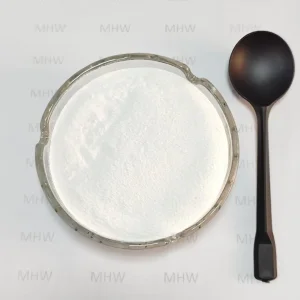
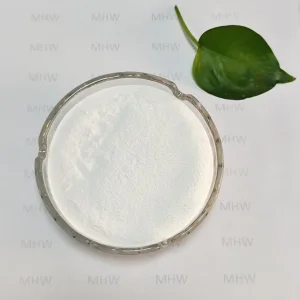
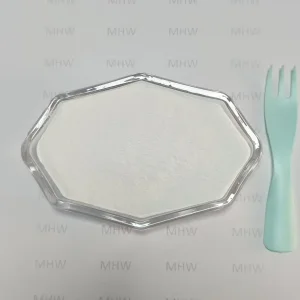
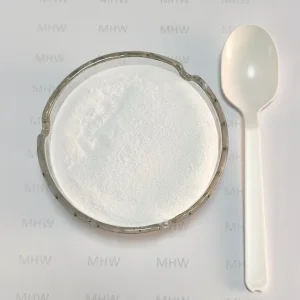
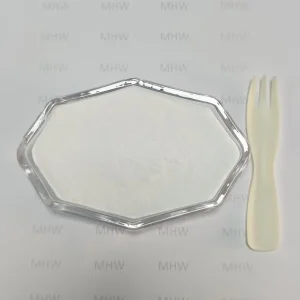
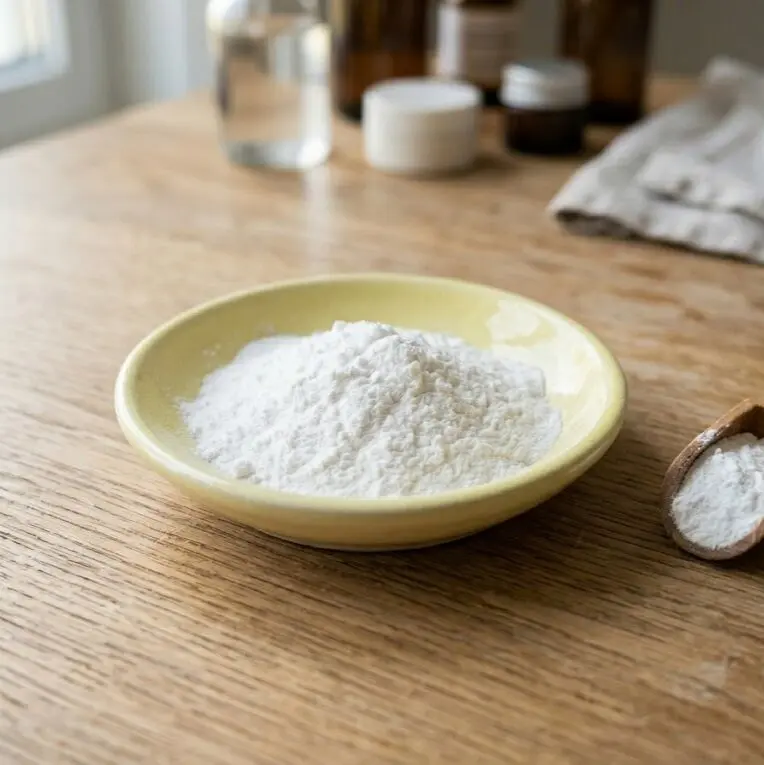
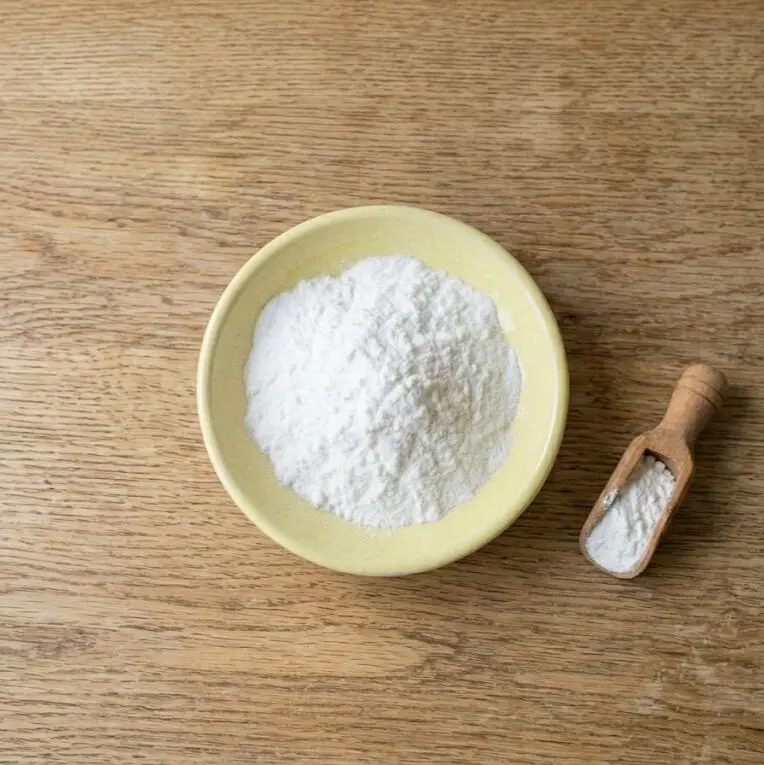
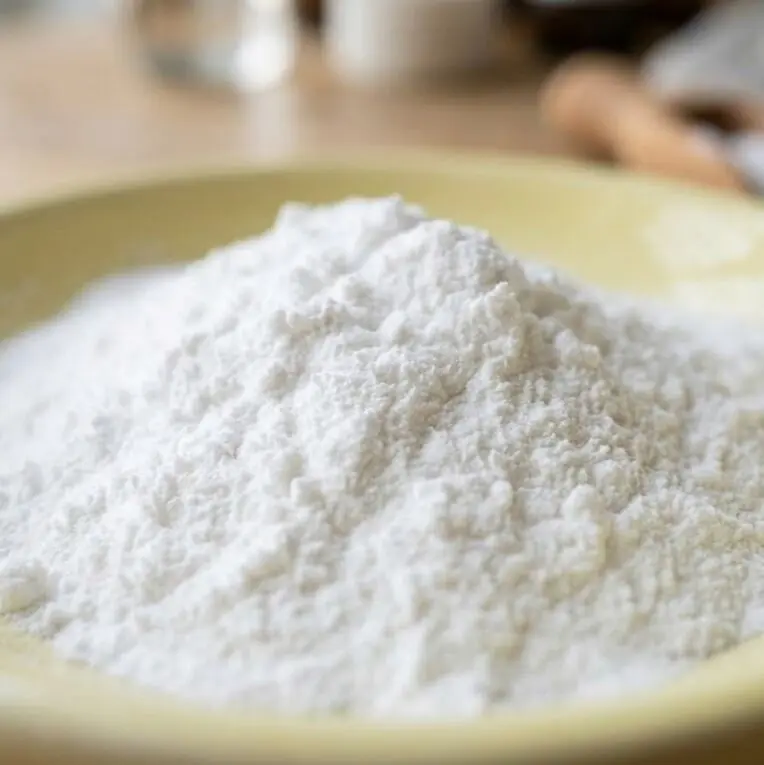
| Appearance | White, fine powder |
| Assay | ≥95% |
| Molecular Weight | 3,000Da~2.0MDa |
| Solubility | Soluble in water |
| Source | Microbial fermentation |
| MOQ | 1kg |
Hyaluronic acid undergoes multi-stage purification and deep filtration processes to effectively remove proteins, nucleic acids, endotoxins, and fermentation residues, ensuring the product meets food-grade application requirements.
Food-grade hyaluronic acid is produced entirely through microbial fermentation, containing no animal-derived ingredients, making it suitable for vegetarian, halal, and Clean Label products.
Low molecular weight hyaluronic acid offers better absorption efficiency and can be used in oral beauty and functional health formulations.
Hyaluronic acid is widely compatible with powder, capsule, tablet, solid beverage, and oral liquid systems without affecting product stability.
An industrial-grade fermentation production system supports long-term stable supply, suitable for long-term procurement by brand customers and OEM/ODM factories.
Yes, hyaluronic acid is a naturally occurring substance in the human body. Food-grade products can be safely used long-term within the prescribed dosage.
Yes, this product is derived from microbial fermentation and contains no animal ingredients, making it suitable for vegetarian and clean label systems.
The minimum MOQ for food-grade hyaluronic acid is 1kg. Sample testing is available upon request.
We provide a wide range of molecular weights, from low molecular weight (3,000 Da) for high absorption to high molecular weight (2.0 MDa) for moisture retention.
It should be stored in tightly sealed containers in a cool, dry, and well-ventilated area, protected from light, moisture, and heat.
Under proper storage conditions (cool, dry, sealed), the shelf life of food-grade hyaluronic acid is typically 24 months from the manufacturing date.