
 Featured Under-Eye Hyaluronic Acid Active Ingredients
Explore our elite-grade biological raw materials designed for targeted skin care formulations, engineered to satisfy international dermatological parameters and high transdermal efficacy.
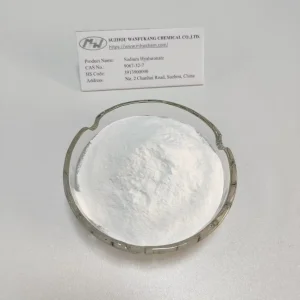
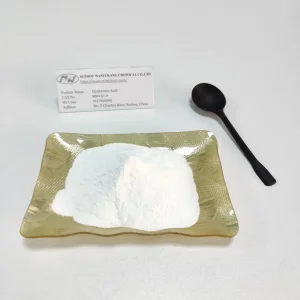
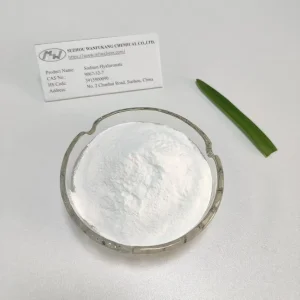
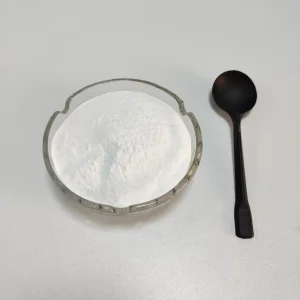
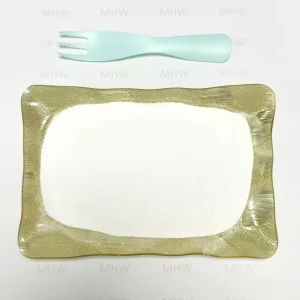
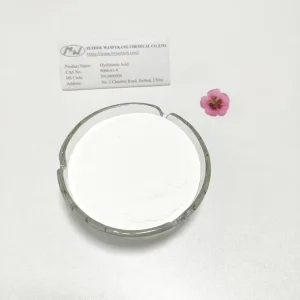
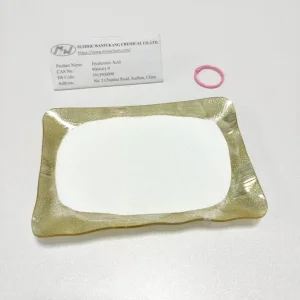
The periorbital area represents one of the most fragile micro-ecosystems of human skin. Structurally, the epidermis surrounding the eyes is exceptionally thin—averaging approximately 0.04 mm in thickness compared to 1.0 mm on the rest of the body. Furthermore, the under-eye region contains a significantly lower density of sebaceous and sweat glands, rendering it highly susceptible to Transepidermal Water Loss (TEWL) and subsequent barrier degradation. The compounding effects of continuous dynamic expression muscle movements and vascular vulnerability accelerate the onset of fine lines, dark circles, and micro-congestion.
To counteract these localized issues, developers must adopt a multi-modal molecular strategy. Hyaluronic Acid (HA), or Sodium Hyaluronate, is the physiological benchmark for hydration retention. Its unique ability to bind up to 1,000 times its dry weight in water molecules is controlled by its polymer length. Selecting the appropriate molecular weight is paramount for formulating effective under-eye serums:
| Molecular Weight Range | Common Designation | Primary Physiological Function | Transdermal Depth / Action |
|---|---|---|---|
| < 10 kDa | Oligo Sodium Hyaluronate | Deep receptor binding, promotes collagen expression, cell repair | Stratum basale & upper dermis penetration |
| 10 kDa – 100 kDa | Low Molecular Weight (LMW) | Intercellular moisture replenishment, microcirculation support | Stratum spinosum & granulosum permeability |
| 100 kDa – 1000 kDa | Medium Molecular Weight (MMW) | Skin barrier reinforcement, moisture distribution maintenance | Stratum corneum integration |
| > 1000 kDa | High Molecular Weight (HMW) | Non-occlusive protective film, instant superficial wrinkle filling | Superficial layer skin protection |
SEO Technical Insight: Formulating an effective under-eye treatment requires synergistic blending. High Molecular Weight HA restricts surface evaporation, while Oligo Hyaluronic Acid targets structural matrix repair inside the deeper layers, reinforcing the under-eye vascular matrix to diminish the visual depth of dark circles.
Oligo Sodium Hyaluronate (produced via controlled enzymatic degradation) acts as an active cell signaller rather than a simple humectant. It penetrates the paracellular pathways of the stratum corneum to bind with CD44 receptors on keratinocytes and fibroblasts. This biological interaction activates cellular proliferation and stimulates the expression of endogenous Hyaluronic Acid and Type I Collagen. By strengthening this structural matrix, the dermal layer gains thickness and resilience, reducing the appearance of underlying microcapillaries (commonly visible as blue or purple under-eye circles).
The global production of sodium hyaluronate has transitioned from animal-derived tissue extraction (such as rooster combs) to advanced microbial fermentation. This technological shift, spearheaded by leading manufacturers like Suzhou Wanfukang Chemical Co., Ltd., utilizes selected strains of Streptococcus zooepidemicus cultivated on plant-derived peptone, glucose, and yeast extract substrates. This animal-free process minimizes the risk of transmissible spongiform encephalopathies (TSE) and viral contamination, ensuring compliance with strict global standards like COSMOS, ECOCERT, and vegan specifications.
For B2B buyers and cosmetic exporters, verifying raw material purity and stability is critical. Our industrial-scale production utilizes sophisticated multi-stage membrane filtration, charcoal purification, and alcohol precipitation techniques. These steps maintain strict control over parameters like heavy metals, protein residues, and nucleic acids, ensuring superior product consistency:
Industrial Formulation Tip: When formulating an under-eye serum, the pH must be optimized within a range of 5.5 to 7.0 to match the tear film chemistry. Exporters should source raw materials that maintain stable viscosity and clear dissolution within this target range.
Founded in 2016, Suzhou Wanfukang Chemical Co., Ltd. is an innovative chemical company specializing in the development, quality assurance, and global export of cosmetic and food-grade active ingredients. Operating from our advanced production base in China, we leverage years of biotechnology expertise to deliver high-purity raw materials designed for high-performance cosmetics, personal care, and dietary supplements.
We provide comprehensive supply chain services, including technical consultation, factory audits, custom molecular weight adjustments, third-party laboratory testing, and robust regulatory documentation (COA, MSDS, TDS, ECOCERT). Our customer-first philosophy ensures reliable support for cosmetic formulators and wholesale ingredient buyers worldwide.

Years of Industry Experience
Annual Production & Sales Volume
Export Destination Countries
Raw Material Portfolio Catalog
Our Service Standards & SolutionsFrom quality assurance protocols to streamlined international logistics, we provide end-to-end support for our manufacturing partners.
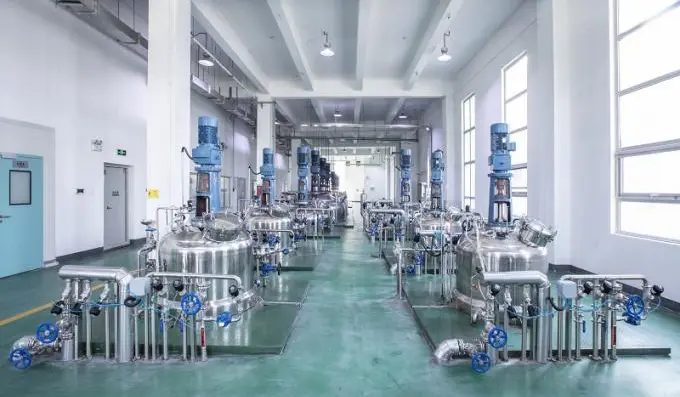
Leveraging our years of experience, advanced technology, and continuous research, our quality fully meets market demands and customer requirements. Numerous customers have proven our commitment to quality through long-term use and repeat purchases. Quality is our core competitiveness.
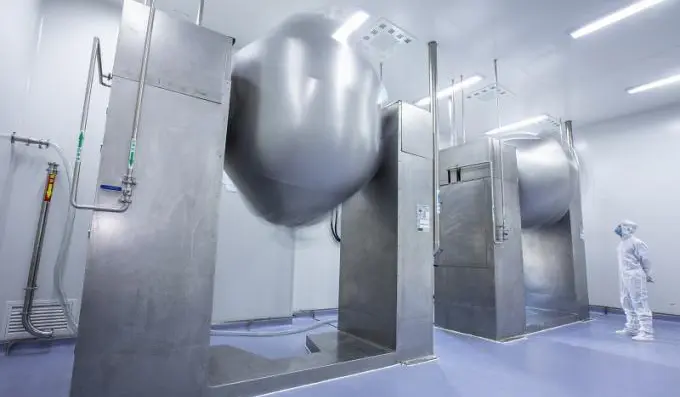
Our shipping methods are tailored to the destination country. Packaging is continually updated and improved in compliance with international customs regulations, ensuring safe arrival of your ingredients within 3-7 business days.

We offer a comprehensive product line, covering a variety of raw material powders and liquid formulations to meet the needs of various cosmetic, nutraceutical, and research applications.
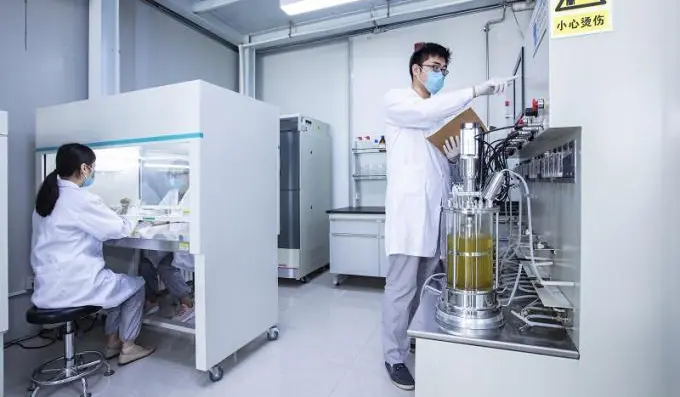
Our customer-centric team provides comprehensive pre-sales and after-sales support. We assist with raw material selection, dosage recommendations, and formulation troubleshooting, monitoring product performance over time.
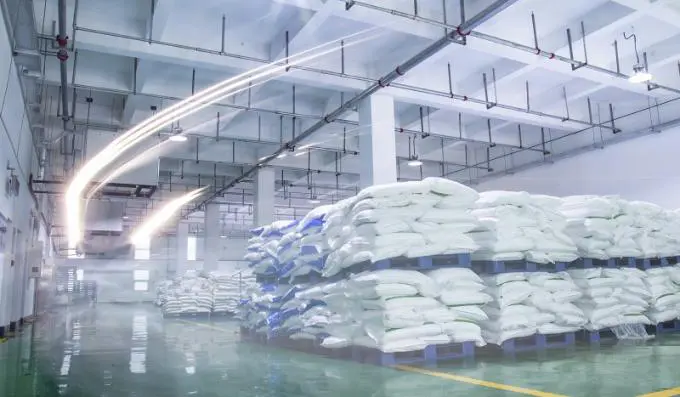
We prioritize customer protection. If a sample or batch fails testing and is confirmed to have a quality issue, we immediately initiate a reshipment process, sending qualified replacements at no additional cost.
The evolution of under-eye cosmetic formulations demands advanced delivery systems and functional modifications. Simple linear Hyaluronic Acid molecules, while highly moisturizing, are rapidly degraded by endogenous hyaluronidase enzymes in the skin. The future of periorbital skincare focuses on modified and cross-linked variations of Hyaluronic Acid:
By partially substituting the hydroxyl groups of Sodium Hyaluronate with acetyl groups, the molecule becomes amphiphilic. This structural modification enhances its affinity for the skin's lipid barrier, reducing TEWL and improving overall formulation stability.
Using cross-linking agents like divinyl sulfone (DVS) or 1,4-butanediol diglycidyl ether (BDDE), we construct a three-dimensional gel network. This lattice-like structure protects the molecule from enzymatic breakdown, enabling extended moisture retention and a sustained-release effect for active cosmetic ingredients.
Covalently bonding low molecular weight HA with targeted peptides (such as Acetyl Tetrapeptide-5 or Palmitoyl Pentapeptide) enhances biological activity. The HA molecule serves as a hydrophilic carrier, transporting the peptides deep into the skin to stimulate microvascular circulation and promote collagen production.
Complete Technical Raw Materials RangeExplore our complete range of high-performance Hyaluronic Acid grades, designed for cosmetic, food, and supplement applications.
 Scientific & Regulatory FAQ
Addressing key industrial, biochemical, and logistics questions for developers, brand owners, and procurement specialists.
Connect with our technical sales team for custom molecular weights, certificates of analysis, or to request a sample batch for your laboratory formulation trial.
Request Technical Quote & Samples