Buy Azelaic Acid And Hyaluronic Acid Supplier & Service

Global Industrial Supply of B2B Raw Materials: Pharmaceutical, Cosmetic, and Food Grade Active Ingredients Engineered for Clinical Efficacy

Executive Overview: The Biochemical Synergy of Azelaic Acid & Hyaluronic Acid

Formulation integration strategies for next-generation dermatological products and clinical skin therapeutics.

In the rapidly changing landscape of cosmeceutical formulations, the combination of Azelaic Acid and Hyaluronic Acid (Sodium Hyaluronate) has emerged as a cornerstone for addressing multi-etiological skin disorders. Azelaic Acid is a naturally occurring dicarboxylic acid. It is widely recognized for its clinical efficacy in reducing follicular hyperkeratinization, inhibiting the proliferation of Cutibacterium acnes, and suppressing hyperactive melanocytes via tyrosinase inhibition. However, formulating high-strength Azelaic Acid (typically between 10% to 20% in clinical formulations) presents challenges, such as localized erythema, scaling, trans-epidermal water loss (TEWL), and a transient burning sensation.
This is where Hyaluronic Acid plays a key role. As a highly bioactive glycosaminoglycan, Hyaluronic Acid forms a viscoelastic non-occlusive film over the stratum corneum. This film secures essential hydration within the intercellular matrix and accelerates epidermal barrier recovery. When co-formulated or layered, Hyaluronic Acid acts as a structural mitigation agent, significantly reducing the cutaneous irritation profile of Azelaic Acid without compromising its biochemical bioavailability. For global formulators and cosmetic brands, securing a reliable supply of both high-purity Azelaic Acid and customized molecular weight Hyaluronic Acid is essential for maintaining product stability, consumer compliance, and clinical efficacy.

Keratinization Modulation

Azelaic Acid normalized epidermal differentiation, reducing microcomedone formation and smoothing skin texture.

Epidermal Hydro-Retention

Sodium Hyaluronate traps up to 1,000 times its molecular weight in water, preventing trans-epidermal water loss (TEWL).

Melanogenesis Suppression

Competitive tyrosinase inhibition selectively targets hyperactive melanocytes to resolve post-inflammatory hyperpigmentation.

Technical Sourcing Specifications for Global Brands & Procurement

Standardizing critical parameters to eliminate variability and ensure batch-to-batch consistency in commercial scaling.

Procurement divisions of international cosmetic and pharmaceutical firms face multi-dimensional risk matrices when sourcing raw materials. For Azelaic Acid, key technical specifications include particle size distribution (micronized grades are necessary for suspensions to avoid a gritty feel), heavy metal limits (<10 ppm), and assay purity (≥99.0%). Because Azelaic Acid has limited solubility in water and oils, sourcing micronized forms with controlled D50 and D90 particle diameters is essential for maintaining uniform suspension stability in emulsions.
Similarly, purchasing Hyaluronic Acid (Sodium Hyaluronate) requires a careful analysis of molecular weight distribution. Low molecular weight (LMW) Hyaluronic Acid (10 kDa - 100 kDa) penetrates the deeper layers of the stratum corneum to stimulate endogenous production. In contrast, High Molecular Weight (HMW) Hyaluronic Acid (1.0 MDa - 1.8 MDa) is required for surface film-forming and skin barrier protection. Enterprise sourcing must balance these parameters with microbiological controls, ensuring the absence of pathogens like Pseudomonas aeruginosa and keeping total plate counts under 100 CFU/g.

Micronization & PSD

Controlled particle size (D90 < 20μm) ensures smooth cream textures and prevents sedimentation in liquid suspensions.

Molecular Weight Selection

Customized solutions spanning ultra-low molecular weight (<10 kDa) to high macromolecular weight (>2.0 MDa) variants.

Microbial Safety

Strict batch analysis certifies zero pathogen content, with total plate counts kept far below international pharmacopoeia standards.

Heavy Metals Limits

Advanced filtration and purification maintain arsenic, lead, and mercury levels well below 10 ppm, satisfying international safety requirements.

China's Advanced Bio-Synthesis Ecosystem

As a global hub for active cosmetic and food ingredients, China has developed an advanced manufacturing ecosystem for bio-fermentation. Suzhou Wanfukang Chemical Co., Ltd., established in 2016, is situated within this specialized supply network. Leveraging years of industrial development, we run structured operations that combine research and development with scalable production. Our supply capabilities address issues such as price volatility and lead-time inconsistency.

By sourcing raw materials from local bio-fermentation hubs, we utilize high-throughput fermentation systems that produce Sodium Hyaluronate from non-animal sources. This approach provides significant cost efficiencies compared to Western alternatives. The industrial clustering in Suzhou ensures reliable access to energy, packaging, and logistics. It also facilitates rapid exports via major container ports in Shanghai, helping us meet the requirements of buyers worldwide.

W A N F U K A N G

About Our Sourcing Enterprise

Suzhou Wanfukang Chemical Co., Ltd. is an innovative company founded in 2016, specializing in the development and export of cosmetic and food ingredients. Our production base is located in China and boasts many years of experience and is highly established.

As a top raw material supplier in various sectors in China, we offer a wide range of raw materials and provide comprehensive services including: Inquiries, Technical support, Orders, Quality control, In-house and third-party laboratory testing, Factory audits, Logistics, Warehousing, and complaint handling.

Contact Our Sourcing Team
9+
Years Industry Experience
500tons
Annual Sales Volume
20+
Export Destination Countries
600+
Raw Material Portfolio

Localized Regulatory Support & Compliance Verification

Navigating complex global registration guidelines, including EU REACH, FDA OTC Monograph, and China NMPA.

Distributing personal care products globally requires meeting strict regulatory standards. For brands in North America and Europe, purchasing raw ingredients from overseas requires detailed trace documentation. Our regulatory compliance team provides comprehensive dossier support. This includes providing complete Technical Data Sheets (TDS), Material Safety Data Sheets (MSDS), and Certificate of Analysis (COA) documents for every batch of Azelaic and Hyaluronic Acid.
We ensure our cosmetic-grade Sodium Hyaluronate is derived from non-animal bacterial fermentation (e.g., *Streptococcus zooepidemicus* or *Bacillus subtilis* expression platforms). This confirms its vegan status, aligning with global consumer preferences. For businesses targeting food applications, we provide food-grade Sodium Hyaluronate with Halal and Kosher certifications. This compliance support helps streamline global import procedures and customs clearance.

Global REACH & FDA Support

We provide the technical documentation required for European REACH registrations and FDA cosmetic filings.

Traceable GMP Production

All manufacturing operations run under strict GMP systems, ensuring batch records are fully traceable from raw materials to finished items.

Complete Document Dossiers

We provide complete product dossiers, including heavy metal testing, pesticide limits, and solvent residue analyses.

Icon Why Choose Us: Global Distribution Networks Icon

Our expertise and reputation in sourcing benefit our global partners. Our mission is to provide the broadest range of high-quality raw materials and one-stop comprehensive sourcing services to meet the needs of all customers and promote human well-being.

Global Supply Chain Map
North America Europe Asia Latin America Africa Australia

Icon Our Professional Services & Supply Protocols Icon

From chemical synthesis to target delivery, we ensure safety and traceability at every stage of the supply chain.
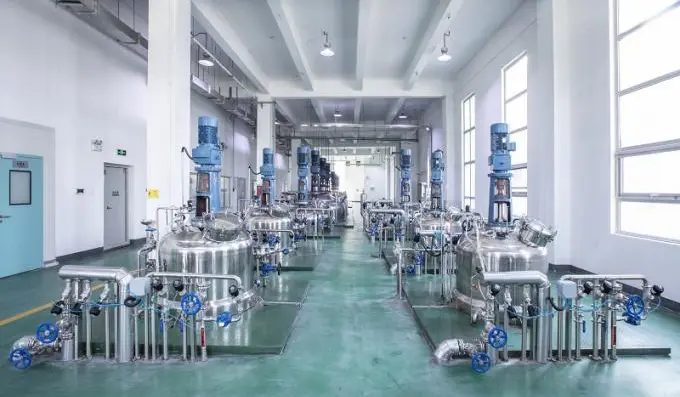
Quality Assurance
Protocol 01

Quality Assurance

Leveraging our years of experience, advanced technology, and continuous research, our quality fully meets market demands and customer requirements. Numerous customers have proven our commitment to quality through long-term use and repeat purchases. Quality is not only our core competitiveness, but also the foundation of our company.
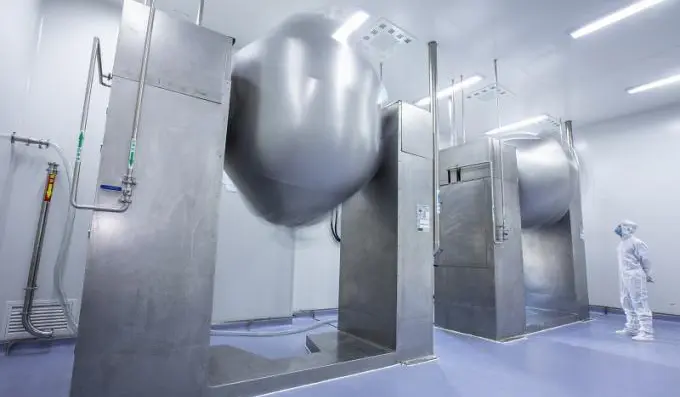
Safe Transportation
Protocol 02

Safe Transportation

Our shipping methods vary depending on the specific country. Our packaging is constantly updated and improved based on the latest customs regulations. We guarantee that you will receive your product within 3-7 business days through our secure logistics partners.
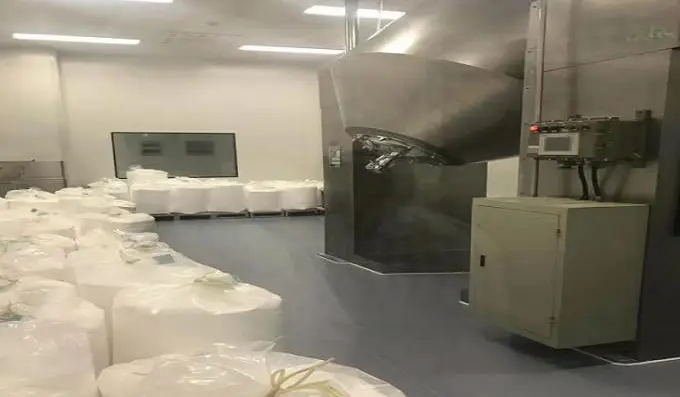
Product Diversity
Protocol 03

Product Diversity

We offer a comprehensive product line, covering a variety of raw material powders and liquid formulations to meet the needs of various industries and applications. Whether for industrial processing, laboratory research and development, or specialized applications in specific fields, we can find the right solution for you.
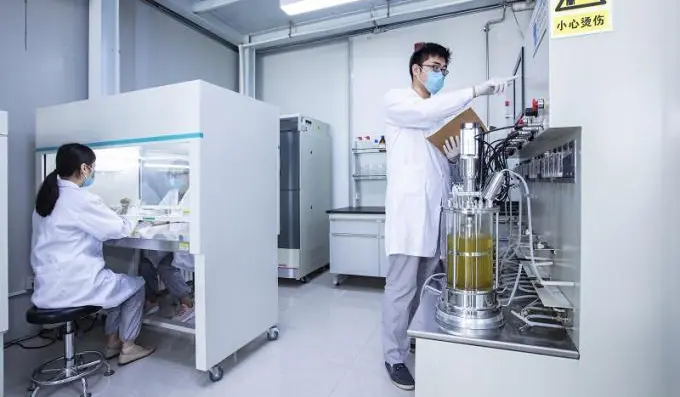
High-Quality Service
Protocol 04

High-Quality Service

We are customer-centric and provide comprehensive pre-sales and after-sales support. During the pre-sales phase, our professional team will recommend suitable products based on customer needs and answer technical questions. During the after-sales phase, we will continuously monitor customer usage and promptly resolve any issues.
Reshipment Policy
Protocol 05

Reshipment Policy

We prioritize customer protection. If a sample fails testing and is confirmed to be a quality issue, we will immediately initiate a reshipment process and resend a qualified sample or ordered product free of charge. We will also cover any associated logistics costs to minimize project downtime.

Localized Application Scenarios & Formulation Design

Practical guidance for formulating stable cosmetic emulsions and edible nutricosmetics.

Integrating Azelaic Acid into cosmetic emulsions requires careful pH control. Azelaic Acid is generally most stable and effective at a pH range of 4.0 to 4.9. However, typical Sodium Hyaluronate solutions can lose viscosity at pH levels below 5.0. To address this, developers often use specialized formulation techniques:

Therapeutic Acne Solutions

Combining 10% Azelaic Acid with 0.5% low molecular weight Sodium Hyaluronate helps reduce blemishes while maintaining skin hydration and skin barrier function.

Brightening & Skin Tone Emulsions

Using Azelaic Acid alongside high molecular weight Hyaluronic Acid creates a surface film that enhances skin texture and reduces post-inflammatory hyperpigmentation.

Edible Nutricosmetics

Food-grade Sodium Hyaluronate (90% to 95% assay) is used in dietary supplements and functional drinks to support joint health and systemic hydration.

Future Trends in Dermal Actives & Green Synthesis

Key developments in sustainability and green chemistry shaping the future of global sourcing.

The global raw materials industry is shifting toward more sustainable production methods. Green synthesis of Azelaic Acid via the ozonolysis of oleic acid (derived from renewable plant oils like castor oil or high-oleic sunflower oil) is increasingly replacing petro-chemical routes. This plant-derived approach aligns with the clean beauty standards demanded by modern consumers.
In the Hyaluronic Acid market, interest in Oligo-Hyaluronic Acid produced via enzymatic degradation is growing. This method yields precise ultra-low molecular weights without chemical harshness, allowing for deeper skin penetration. Additionally, multi-functional ingredients like Potassium Azeloyl Diglycinate—a water-soluble derivative of Azelaic Acid—are gaining traction because they easily incorporate into water-based serums without requiring hot emulsification processes.

Frequently Asked Questions & Technical Support

Technical and regulatory guidance for purchasing managers and formulation chemists.

Q1: What is the optimal pH window for co-formulating Azelaic Acid and Hyaluronic Acid?
Azelaic Acid is generally most stable and active in formulations with a pH of 4.0 to 4.9. However, Sodium Hyaluronate can lose viscosity at pH levels below 5.0. To maintain stability, formulators often use cross-linked Sodium Hyaluronate or combine different molecular weights, using appropriate buffers (like sodium citrate) to keep the pH stable.
Q2: How does your factory ensure the trace heavy metal limits are met?
Our production base uses advanced membrane filtration and multi-stage crystallization systems. This process ensures that heavy metals like lead, arsenic, and mercury remain below 10 ppm, satisfying international safety regulations.
Q3: Is your Sodium Hyaluronate from animal or non-animal sources?
All our Hyaluronic Acid and Sodium Hyaluronate grades are produced through bacterial fermentation (using non-pathogenic strains). They are entirely vegan, cruelty-free, and free of animal-derived components, making them suitable for clean beauty formulations.
Q4: What is the lead time for large bulk orders (over 5 tons)?
Standard bulk orders are usually processed, quality-tested, and ready for shipment within 7 to 15 business days. Delivery times vary based on the destination and shipping method.
Q5: Can you customize the molecular weight of Hyaluronic Acid for our orders?
Yes. We can customize molecular weights ranging from ultra-low (under 10 kDa) to high macromolecular weights (above 2.0 MDa), depending on your specific formulation requirements.
Q6: What is your process for quality assurance and customer claims?
If a batch fails verification, our QA team will review the batch records and perform retention testing. Under our Reshipment Policy, if a quality issue is confirmed, we will replace the batch or refund the cost, including logistics expenses.

Request Technical Samples & Customized Formulation Plans

Contact our technical sales team for custom molecular weights, assay adjustments, and regulatory documentation packages. We reply to all inquiries within 12 hours.

Customized Plans for You