Premium Raw Materials Showcase (Part I)
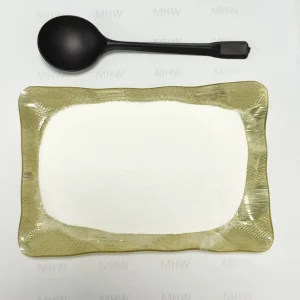
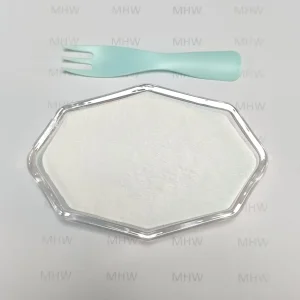
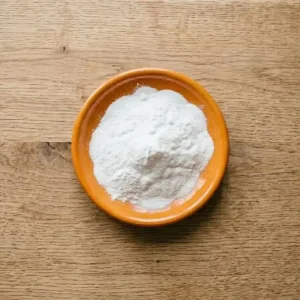
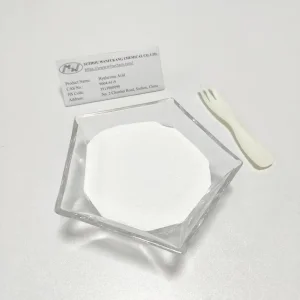
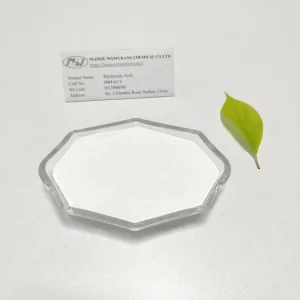
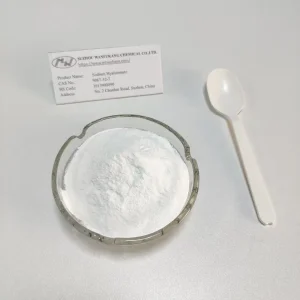
Analyze our highly standardized biological grades of Sodium Hyaluronate engineered for high penetration and molecular stability.
Hyaluronic Acid (HA), chemically defined as an anionic, non-sulfated glycosaminoglycan, has transitioned from a niche therapeutic agent to a foundational element across the global cosmetics, food, and pharmaceutical sectors. In the current marketplace, sourcing from certified 100 Pure Hyaluronic Acid Factories is no longer just about buying raw materials; it is an integrated strategy involving molecular customization, bio-compatibility certifications, and robust supply chain analytics.
Historically, commercial hyaluronic acid was extracted from animal tissues, specifically rooster combs. This method, however, introduced significant risks of cross-species viral contamination and was limited by yield constraints. The advent of modern bacterial bio-fermentation (primarily utilizing optimized strains of Streptococcus zooepidemicus) revolutionized the cost structures and pure scale of HA production, driving its integration into complex formulations globally.
Furthermore, consumer consciousness has driven a severe pivot towards vegan-certified, non-GMO, and COSMOS-compliant raw materials. Global brands are scrutinizing suppliers not only for chemical specifications (such as heavy metals, purity levels, and molecular weight ranges) but also for environmental, social, and governance (ESG) standards maintained within the factory floor.
Modern industrial applications require a deep understanding of molecular distribution. While high molecular weight (HMW) HA (>1.8 MDa) is valued for film-forming properties and skin barrier support, low molecular weight (LMW) and oligo-HA variants (<10 kDa) are highly sought after for deep epidermal penetration and cellular cell-signaling functions.
Suzhou Wanfukang Chemical Co., Ltd. is an innovative chemical enterprise founded in 2016, specializing in the scientific development, formulation optimization, and global export of premium cosmetic and food ingredients. Our primary production base, situated in China's advanced chemical manufacturing hubs, boasts decades of technical experience and is highly established in global trading ecosystems.
As a leading raw material supplier in various specialized sectors in China, we manage the entire value chain. Our comprehensive services range from deep technical inquiries, scientific formulation support, and order processing, to rigorous quality control, in-house and third-party laboratory verification, factory compliance audits, streamlined logistics, customs clearance, and prompt customer complaint resolution.
Global Commercial & Sourcing Landscape
Our expertise and reputation in chemical sourcing directly benefit our global pharmaceutical and cosmetic manufacturing partners across all major markets.

Global demand patterns reveal clear functional requirements. In North America, the focus is heavily geared towards pharmaceutical-grade cross-linked HA for medical fillers and advanced anti-aging topical solutions. Conversely, European buyers prioritize organic, vegan, eco-friendly certifications and low trace-impurity profiles to align with ECHA guidelines. The Asia-Pacific market demonstrates rapid growth in functional beverages, oral cosmetic supplements, and daily skincare products.
Our core mission is to bridge these complex requirements by delivering a diversified raw material portfolio, ensuring compliance, safety, and price competitiveness across all continents. We optimize custom packaging, particle sizes, and flowability parameters depending on the specific industrial processes of the destination market.
The global dominance of Chinese manufacturers in the hyaluronic acid sector is founded upon deep industrial integration, scale efficiencies, and the deployment of Industry 4.0 principles. China now accounts for a major portion of the global output, driven by highly automated bio-reactors, real-time microbial cultivation monitoring, and state-of-the-art purification technology.
At Suzhou Wanfukang Chemical Co., Ltd., we interface with advanced manufacturing bases utilizing automated SCADA systems that monitor and maintain parameters such as dissolved oxygen, nutrient supply, temperature, and pH inside the fermentation vessels. This guarantees batch-to-batch consistency—a critical factor for cosmetic formulators who rely on precise viscosity and molecular stability profiles.
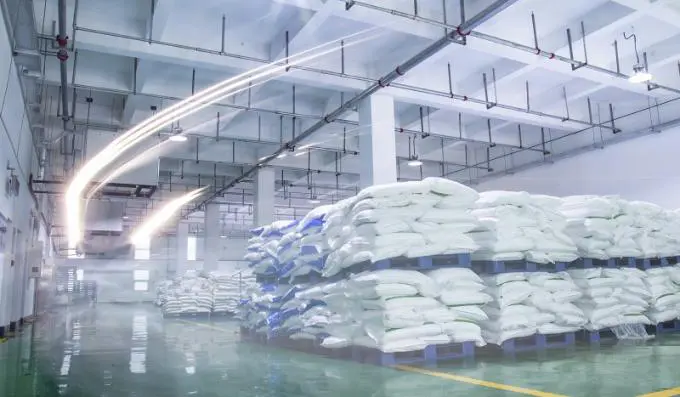
Our supply chain resilience relies on integrated material sourcing, low-cost green energy utilization, and efficient downstream purification lines. From raw glucose substrate sourcing to spray-drying, crystallization, and sterile packaging under cleanroom environments, the entire process is optimized to minimize environmental footprint and eliminate contamination risks.
Hyaluronic acid functions differently based on environmental factors, molecular weight, and complementary ingredients. Below are the primary application guidelines.
Used in anti-aging creams, deep moisturizing serums, and sheet masks. Formulation recommendation: Combine 0.5% High Molecular Weight HA for instant film-forming hydration, with 1% Oligo-HA for deep penetration and anti-wrinkle cellular recovery.
Ingestible HA supplements targets joint health and systemic skin moisture. Oral intake of food-grade Sodium Hyaluronate (80mg to 120mg daily) has been scientifically proven to increase joint lubrication and cutaneous elasticity.
Pharmaceutical-grade Sodium Hyaluronate is formulated into eye drops for treating severe dry eye syndrome. It acts as an optimal lubricant, exhibiting shear-thinning behavior under blinking motions to protect the corneal surface.
Our Operational Framework & Services
A rigorous, five-fold service model designed to secure your production line, satisfy strict regulatory requirements, and ensure long-term stability.
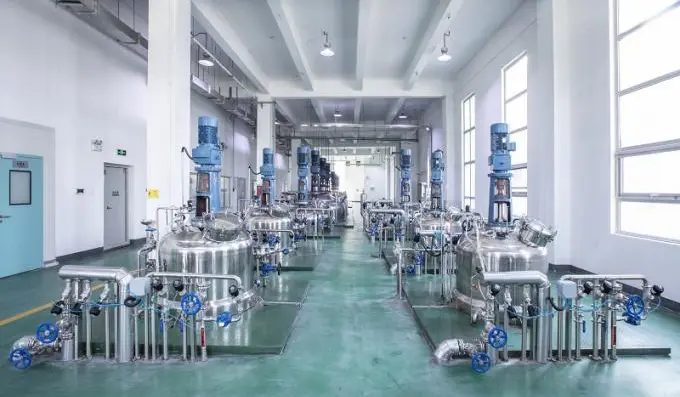
Leveraging our years of experience, advanced technology, and continuous research, our quality fully meets market demands and customer requirements. Numerous customers have proven our commitment to quality through long-term use and repeat purchases. Quality is not only our core competitiveness, but also the baseline of our corporate responsibility.
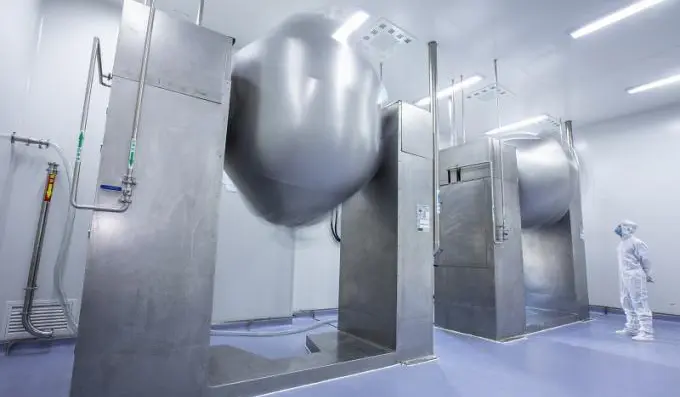
Our shipping methods vary depending on the specific destination country. Our packaging configurations are constantly updated and improved based on the latest customs regulations and biological shipping standards. We guarantee that you will receive your ordered materials safely within 3-7 business days.
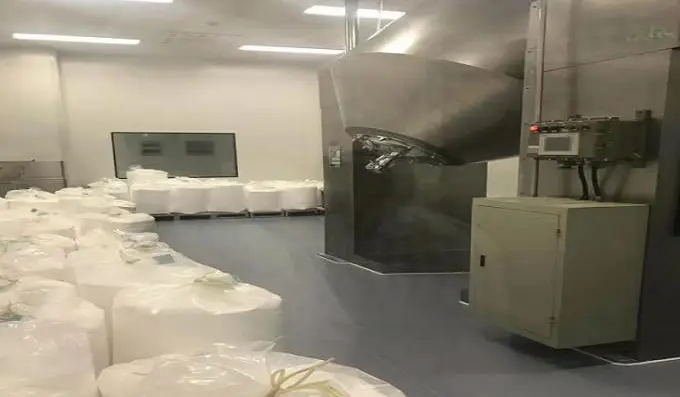
We offer a comprehensive product line, covering a variety of raw material powders and liquid formulations to meet the needs of various industries and applications. Whether for industrial processing, laboratory research and development, or specialized medical-grade solutions, we can tailor the ideal chemical structure for you.
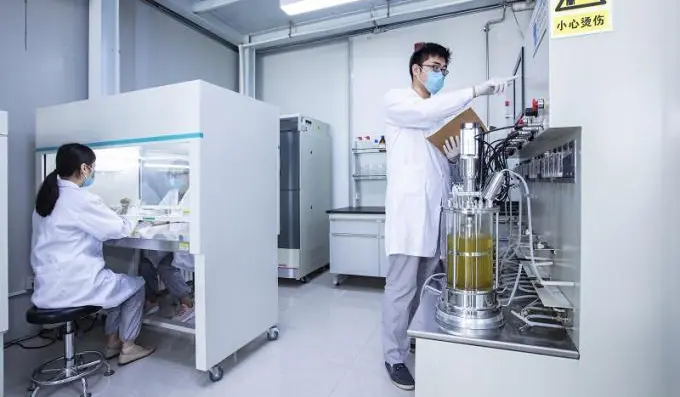
We are customer-centric and provide comprehensive pre-sales and after-sales support. During the pre-sales phase, our professional team will recommend suitable molecular weights based on customer formulas and answer technical questions. During the after-sales phase, we track performance and offer guidance on processing stability.
We prioritize customer protection and investment safety. If an ordered batch fails testing or does not meet agreed specification parameters under certified laboratory validation, we immediately initiate a reshipment process. We will dispatch a new, qualified batch at our own expense, including all logistics fees.
Customized Solutions Engineered For You

Technical answers to the most common questions raised by quality assurance managers, formulators, and global logistics officers during the procurement process.
Premium Raw Materials Showcase (Part II)
Explore our specialized food, cosmetic, and nutraceutical grades designed to improve formulation stability and bio-availability.