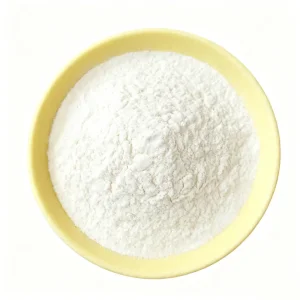
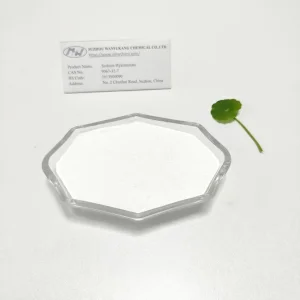
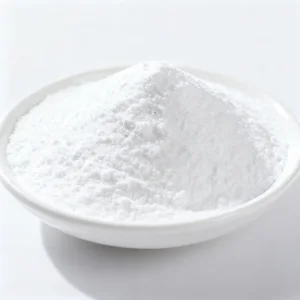
Featured Cosmetic & Food Grade Raw Materials
Hyaluronic acid (HA) has evolved from a basic humectant into a multi-functional physiological scaffold, driving innovations in cosmeceutical, nutraceutical, and medical aesthetic applications. A 2% Hyaluronic Acid Serum represents the thermodynamic gold standard in modern skincare. Formulating at 2% active concentration balances topical viscosity with cellular delivery, avoiding the dry-film effect commonly caused by excessive humectant concentrations while maintaining structural integrity for moisture trapping.
Standard humectants only reach superficial skin levels. In contrast, advanced 2% formulations utilize a 3D grid consisting of multiple molecular weights:
| Molecular Type | Dalton Range | Key Target Level | Core Benefit |
|---|---|---|---|
| Macro-HA (High) | >1.5 million Da | Corneum Surface | TEWL Barrier, Instant Plumping |
| Medium-HA | 800k - 1.5m Da | Mid-Epidermis | Barrier Repair, Moisture Retention |
| Micro/Oligo-HA | <10k Da | Dermal Boundary | Elastin Stimulation, Deep Anti-Wrinkle |
The global beauty supply chain relies heavily on raw materials and formulations produced in China. This is not only due to cost-efficiency, but also because of advanced biotechnical infrastructure, strict quality control, and rapid R&D scalability. Suzhou Wanfukang Chemical Co., Ltd. sits at the heart of this manufacturing ecosystem.
Modern Chinese plants use high-throughput bioreactors with computerized monitors that track pH, oxygen, and metabolic outputs. This maintains a purity level above 98% with minimal molecular weight drift.
Our raw material facilities are closely linked with packaging manufacturers, logistics hubs, and quality control labs. This integration reduces production turnaround times to just 3 to 7 business days.
Production runs undergo HPLC testing, heavy metal assays, and microbiological validation. This ensures compliance with FDA, European Commission Regulation (EC) No 1223/2009, and Halal certifications.
Different regional consumer demographics require customized approaches to HA serum formulations. The versatility of 2% Hyaluronic Acid solutions allows brands to target localized needs with high precision:
Following fractional laser therapy, microneedling, or chemical peels, the skin barrier is temporarily compromised. Formulating a sterile 2% HA serum with Oligo-HA speeds up epithelial recovery and reduces post-procedure erythema without irritating sensitive skin.
In highly populated, humid Asian and Latin American metropolises, consumers prefer lightweight skincare. By combining 2% HA with antioxidants like Vitamin C or Ferulic Acid, brands can offer a non-greasy, daily serum that provides intense hydration and neutralizes free radicals.
In regions like Northern Europe and North America, dry indoor heating and cold winds deplete skin lipids. For these markets, 2% HA acts as a moisture primer under heavy occlusion creams, binding water molecules within the deep skin layers.
Combining 2% HA with Arbutin or Niacinamide improves active delivery. The hydrophilic nature of sodium hyaluronate prepares the cell membrane, allowing whitening agents to penetrate deeper into melanin-producing cells.
Welcome to learn more about our company. Suzhou Wanfukang Chemical Co., Ltd. is an innovative company founded in 2016, specializing in the development and export of high-performance cosmetic and food ingredients. Our production base in China brings years of industrial manufacturing experience and meets rigorous international standards.
As a leading raw material supplier across multiple sectors in China, we provide comprehensive, end-to-end services. Our professional support covers every step of the sourcing lifecycle, including: technical inquiries, formulation support, quality control, in-house and third-party laboratory testing, factory audits, customs logistics, secure warehousing, and responsive after-sales support.
Years Industry Experience
Annual Sales Volume
Export Target Countries
Raw Material Portfolio
Our expertise and reputation in raw material sourcing benefit our global partners. Our mission is to provide the broadest range of high-quality raw materials and comprehensive, one-stop sourcing services to meet our customers' needs and promote overall well-being.

We combine manufacturing expertise with reliable service. From sample evaluation to post-delivery support, our workflow is designed to protect your investments and streamline your supply chain.
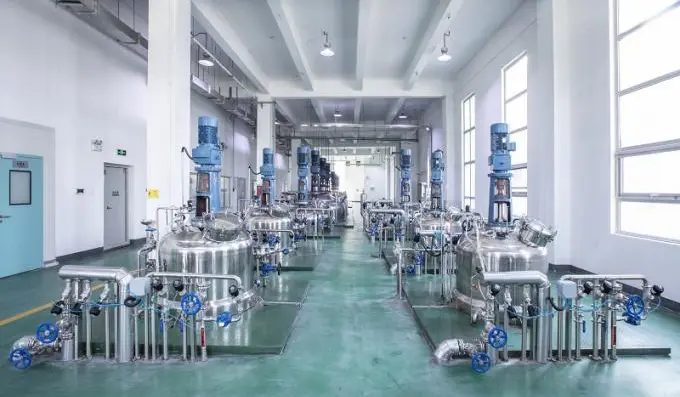
Leveraging our years of experience, advanced technology, and continuous research, our quality fully meets market demands and customer requirements. Numerous customers have proven our commitment to quality through long-term use and repeat purchases. Quality is not only our core competitiveness, but also the foundation of our long-term business partnerships.
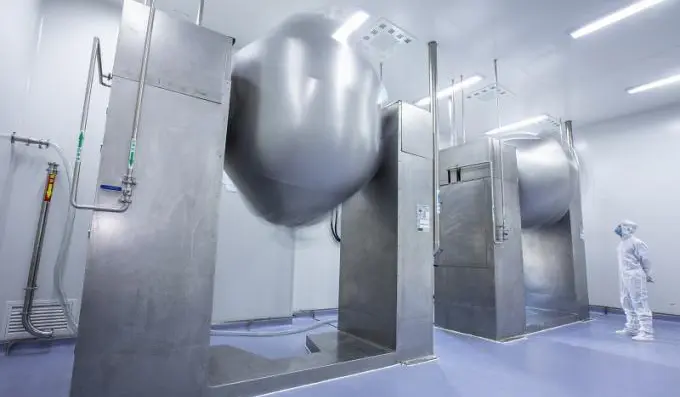
Our shipping methods vary depending on the destination country. Our packaging is constantly updated and improved based on the latest customs regulations. We guarantee that you will receive your product within 3-7 business days, with all documentation ready for clear customs processing.
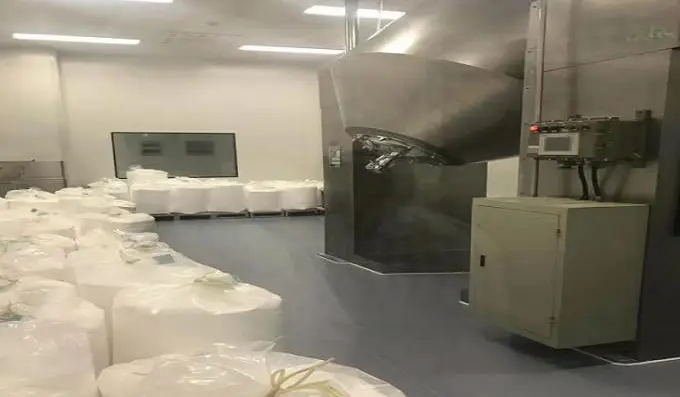
We offer a comprehensive product line, covering a variety of raw material powders and liquid formulations to meet the needs of various industries and applications. Whether for industrial processing, laboratory research and development, or specialized applications in specific fields, we can find the right solution for you.
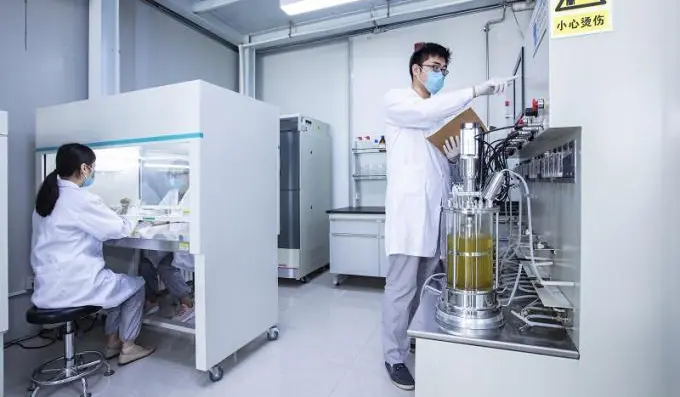
We are customer-centric and provide comprehensive pre-sales and after-sales support. During the pre-sales phase, our professional team will recommend suitable products based on customer needs and answer technical questions. During the after-sales phase, we will continuously monitor customer usage and promptly resolve any issues.
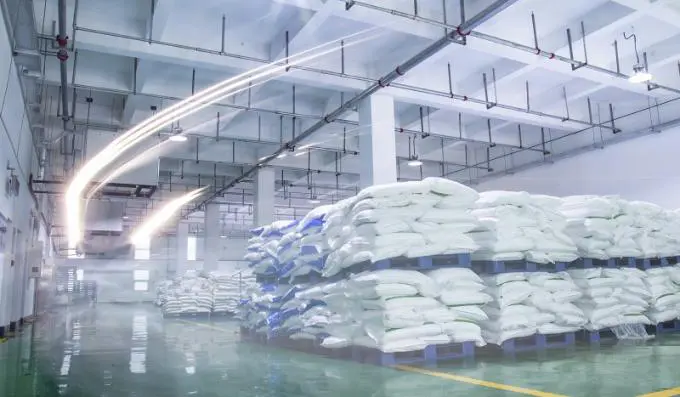
We prioritize customer protection. If a sample fails testing and is confirmed to be a quality issue, we will immediately initiate a reshipment process and resend a qualified sample or ordered product free of charge. We will also cover any associated logistics costs, protecting your R&D budgets from supply disruptions.
As consumer preferences lean toward sustainable and high-performance skincare, several key trends are shaping the future of Hyaluronic Acid production:
Traditional chemical degradation can damage the molecular structure of low molecular weight HA. Modern plants are switching to enzymatic degradation (using hyaluronidase). This process yields Oligo-HA with consistent molecular weights and high purity, boosting skin absorption without triggering inflammatory pathways.
To meet the growing demand for vegan beauty products, manufacturers are transitioning away from animal-derived growth media. Our systems utilize non-GMO plant-derived cultivation bases (such as peptones sourced from wheat or soy) to produce 100% vegan, cruelty-free sodium hyaluronate.
Cross-linked sodium hyaluronate forms a stable, three-dimensional mesh on the skin's surface. Compared to linear HA, cross-linked variants are more resistant to enzymatic degradation, offering extended moisture release and long-lasting barrier protection.
By acetylating the hydroxyl groups of HA, manufacturers can produce an amphiphilic ingredient that binds to both water and skin lipids. AcHA improves skin adhesion, enhances barrier repair, and leaves a silky, non-sticky feel on the skin.
When sourcing raw materials in bulk, choosing the right specifications is crucial for final product quality and manufacturing efficiency. Buyers should prioritize the following parameters during evaluation:
Whether you require specific molecular weight distributions, custom liquid concentrations, or specific bulk packaging options, our team is equipped to support your requirements.
 Complete Cosmetic Raw Material Portfolio