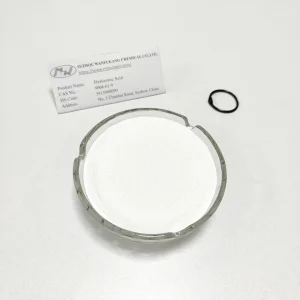
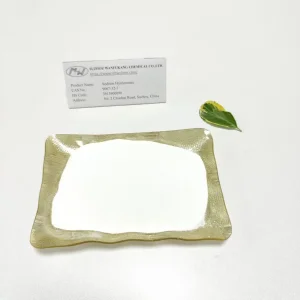
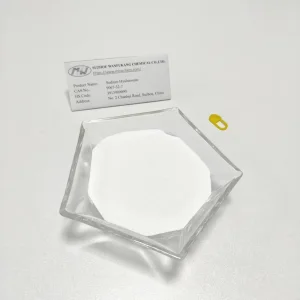
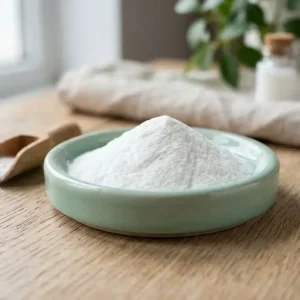
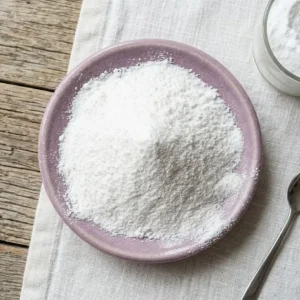
Select from our top-rated range of sodium hyaluronate raw materials developed under strict ISO and GMP certifications for global distribution.
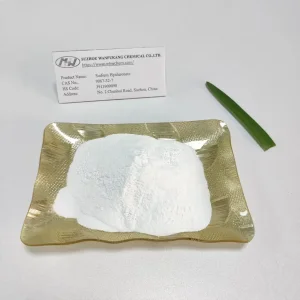
Hyaluronic Acid (HA), chemically categorized as a high-molecular-weight glycosaminoglycan, represents a structural pillar in mammalian connective tissues. Composed of repeating disaccharide units of D-glucuronic acid and N-acetyl-D-glucosamine linked via alternating beta-1,4 and beta-1,3 glycosidic bonds, its primary physical property is an exceptional capacity for moisture retention. High-quality Sodium Hyaluronate (the stable sodium salt form of HA) has become the gold standard in cosmetic biochemistry, nutraceutical formulation, and advanced ophthalmic therapeutics.
In modern biotechnical synthesis, selecting the correct HA grade is highly dependent on matching its Molecular Weight (MW) distribution to its physiological target. Low molecular weights (under 50 kDa) penetrate the epidermal matrix to provide deep hydration and signal dermal remodeling, while high molecular weights (above 1.5 MDa) build a protective viscoelastic film that seals the skin barrier and provides viscoelastic lubrication. Navigating these requirements demands strict chemical precision, stable batch-to-batch consistency, and compliant regulatory documentation.
 About Suzhou Wanfukang Chemical Co., Ltd.
Welcome to Suzhou Wanfukang Chemical Co., Ltd. (WANFUKANG), an innovative biotechnology and chemical supplier founded in 2016. We specialize in the optimization, manufacturing, and global export of cosmetic and food-grade active ingredients. Our highly established production bases in China utilize advanced microbial fermentation techniques to deliver premium-grade biomaterials.
As a leading raw material partner across multiple industrial sectors, WANFUKANG coordinates the entire sourcing lifecycle. Our capabilities cover rapid technical inquiries, comprehensive laboratory analytics, customized QA/QC protocols, logistics management, and formal regulatory validation. We work with both internal QA systems and accredited third-party laboratories to ensure every batch conforms to international pharmacopeial criteria.
China is the global leader in Sodium Hyaluronate production, representing more than 80% of the worldwide supply. This concentration of supply is the result of decades of industrial scaling, raw material integration, and continuous breakthroughs in fermentation technology. Unlike traditional extraction from rooster combs, modern Chinese factories utilize advanced microbial fermentation based on non-pathogenic strains, such as Streptococcus equi subsp. zooepidemicus, fed on plant-based substrates like corn starch and wheat peptone.
Our production facilities benefit from deep integration within the local raw material supply chain. This allows us to maintain strict cost control while scaling production to meet high global demand. By automating fermentation parameters—such as dissolved oxygen levels, pH stability, nutrient feed rates, and cooling temperatures—our factories achieve exceptional batch yields. This scale enables us to offer competitive pricing without compromising on purity, low endotoxin levels, or molecular weight precision.
The global demand for Sodium Hyaluronate is growing beyond traditional topical cosmetic serums. R&D teams are exploring synergistic combinations, such as pairing HA with other active ingredients like Arbutin, to create dual-action formulations that hydrate and brighten simultaneously. Additionally, the nutraceutical industry has adopted oral-grade Sodium Hyaluronate as clinical studies demonstrate its ability to support joint health and skin hydration from within. The food-grade segment is also expanding, driven by the popularity of functional beverages and nutricosmetics in major consumer markets.
Regional dynamics highlight distinct procurement priorities across the globe. In North America and Europe, demand is driven by the clean-label movement. B2B buyers in these regions require non-animal origin certifications, zero pesticide residues, and low heavy-metal profiles. In contrast, rapid urbanization and an expanding cosmetics industry in Asia and Latin America drive demand for versatile, multi-molecular-weight raw materials suitable for lightweight, high-humidity formulations.
Use the matrix below to identify the optimal molecular weight range for your target application:
| Application Type | Target Molecular Weight (MW) | Primary Bio-Functionality | Ideal Raw Material Grade |
|---|---|---|---|
| Intense Serum Hydration | 1.0 MDa - 1.5 MDa | Moisture retention, surface barrier formation | Cosmetic Grade Powder |
| Deep Epidermal Penetration | 10 kDa - 100 kDa | Transdermal delivery, cellular repair signals | Hydrolyzed Sodium Hyaluronate |
| Ophthalmic Formulations | 1.8 MDa - 2.2 MDa | Viscoelastic stabilization, cell protection | Eye Drop Grade (Low Endotoxin) |
| Nutraceutical Supplements | 800 kDa - 1.2 MDa | Gastrointestinal absorption, joint lubrication | Edible Food / Oral Grade |
| Functional Beverages | < 50 kDa (Oligo-HA) | High solubility, stable viscosity under heating | Oligo Food Grade Hyaluronic Acid |
Global Reach & Supply Chain Reliability
Our global distribution network enables reliable raw material supply for partners in diverse regulatory environments. We manage international shipping processes to ensure safe transit, proper temperature controls, and compliance with customs clearance requirements.
Our supply chain model supports global partners through long-term raw material sourcing strategies, batch consistency, and customized product options. We help formulators and purchasing managers secure raw material pipelines to meet production schedules and market demand.
 Our Service Standards
At Suzhou Wanfukang Chemical Co., Ltd., we combine manufacturing capabilities with dedicated support to manage risk and maintain raw material quality throughout the sourcing process.
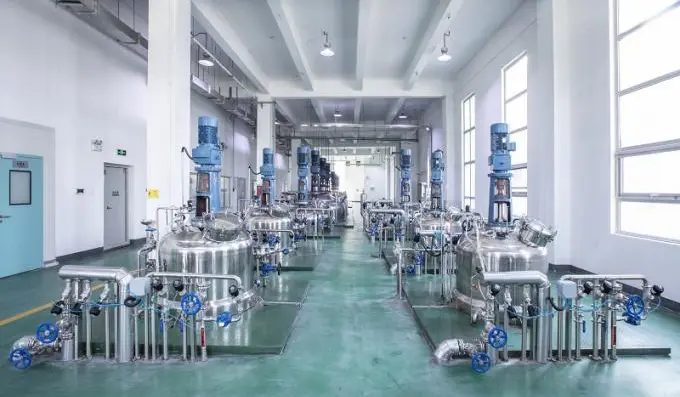
Leveraging our years of experience, advanced technology, and continuous research, our quality fully meets market demands and customer requirements. Numerous customers have proven our commitment to quality through long-term use and repeat purchases. Quality is not only our core competitiveness, but also the foundation of our business model. Every batch undergoes HPLC and molecular weight testing to ensure compliance with global standards.
Our shipping methods vary depending on the specific country. Our packaging is constantly updated and improved based on the latest customs regulations. We guarantee that you will receive your product within 3-7 business days with temperature logging parameters and complete document packages (COA, MSDS) for customs clearance.
We offer a comprehensive product line, covering a variety of raw material powders and liquid formulations to meet the needs of various industries and applications. Whether for industrial processing, laboratory research and development, or specialized applications in specific fields, we can find the right solution for you.
We are customer-centric and provide comprehensive pre-sales and after-sales support. During the pre-sales phase, our professional team will recommend suitable products based on customer needs and answer technical questions. During the after-sales phase, we will continuously monitor customer usage and promptly resolve any issues.
We prioritize customer protection. If a sample fails testing and is confirmed to be a quality issue, we will immediately initiate a reshipment process and resend a qualified sample or ordered product free of charge. We will also cover any associated logistics costs to ensure risk-free purchasing.
Review technical questions regarding the manufacturing, storage, and regulatory characteristics of our bulk Sodium Hyaluronate range.
Customized Solutions
Contact our sales team to discuss raw material specifications, request sample volumes, or request pricing for your production schedule.
Get in touch with our regulatory and chemical engineering team to evaluate technical data sheets, stability test profiles, and sample availability.

Explore our range of oral-grade powders, low heavy-metal options, and customized packaging solutions designed for nutraceutical and cosmetic industries.