Premium Hyaluronic Acid Portfolio
Explore our leading biological fermentation ingredients featuring rigorous molecular optimization, zero animal components, and full regulatory conformity.
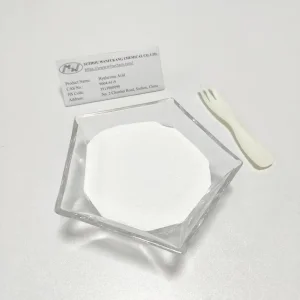
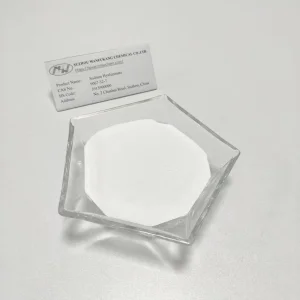
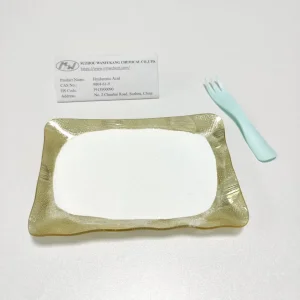
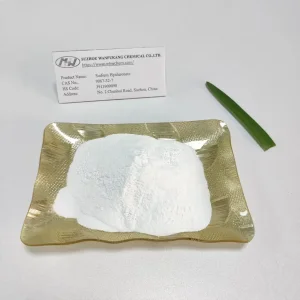
Hyaluronic acid (HA), structurally a high-molecular-weight glycosaminoglycan consisting of alternating D-glucuronic acid and N-acetyl-D-glucosamine disaccharide units linked via alternating beta-1,4 and beta-1,3 glycosidic bonds, has transformed from a rare tissue extract into a cornerstone biotech component. Historically obtained by animal tissue extraction (e.g., rooster combs), modern industrial standards favor precision microbial fermentation. This shift addresses issues regarding animal-derived pathogens, high purification overheads, and inconsistent molecular distributions.
Global procurement teams in cosmetic chemistry, nutricosmetics, and pharmacology face the challenge of aligning biochemical properties with consumer safety rules. When sourcing from China—the undisputed global capital of hyaluronic acid synthesis—successful procurement relies on evaluating production systems. This includes analyzing the host microorganisms, raw carbon substrates, molecular weight fractionation, and heavy metal remediation. Understanding these variables ensures you secure high-quality ingredients that meet global standards.
The efficacy of sodium hyaluronate is determined by its molecular weight (measured in Daltons). Diverse molecular weights trigger specific physiological behaviors:
| Grade Classification | Typical Molecular Weight (Da) | Target Industry | Primary Bio-Mechanism |
|---|---|---|---|
| Pharmaceutical / Eye Drop Grade | 1.5M - 2.5M Da | Ophthalmic, Medical Devices | Viscosupplementation, Corneal Lubrication |
| Cosmetic / Topical Grade | 3k - 3.0M Da (Multi-range) | Skincare, Personal Care | Transepidermal Film-Forming, Dermal Penetration |
| Nutraceutical / Food Grade | 200k - 1.5M Da | Functional Foods, Supplementation | Synovial Fluid replenishment, Gut-skin axis synthesis |
China is the world's primary producer of sodium hyaluronate, accounting for over 70% of global output. This dominant position is built on decades of continuous research and development, deep industrial clusters, and optimized microbial fermentation processes.
Modern Chinese bio-manufacturing facilities utilize *Streptococcus zooepidemicus* or genetically engineered *Bacillus subtilis* to ferment agricultural carbon sources (like corn starch and glucose) under controlled, sterile conditions. This fermentation method offers several advantages:
Founded in 2016, Suzhou Wanfukang Chemical Co., Ltd. is an innovative leader in the development, refining, and international export of cosmetic and food-grade active ingredients. Built on years of experience, our modern manufacturing base in China utilizes advanced biochemical processes to produce high-purity ingredients.
As a leading raw material supplier in China, we offer a wide range of ingredients and provide end-to-end supply chain services. These include rapid inquiry responses, expert technical support, quality control, in-house and third-party laboratory testing, factory audits, international logistics, warehousing, and reliable after-sales support.
Years Industry Experience
Annual Sales Volume
Export Destination Countries
Raw Material Portfolio
Global Distribution & Sourcing Security
Our sourcing expertise and strong reputation benefit global partners, helping them secure dependable raw materials that meet strict international regulations.

Global raw material sourcing requires balancing costs with reliability. Our mission is to provide the broadest range of high-quality raw materials and one-stop sourcing services to meet our customers' needs while promoting health and wellness.
By streamlining raw material procurement, shipping logistics, and compliance checks, we make it easier for global buyers to access top-tier ingredients. Our established network helps you navigate changing trade policies, customs requirements, and quality standards smoothly.
Our Operational Framework
From quality assurance protocols to cargo delivery, we implement strict standards at every step of the sourcing lifecycle.
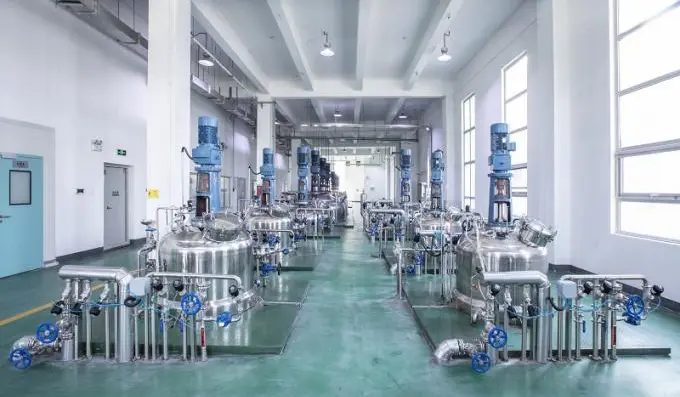
Leveraging our years of experience, advanced technology, and continuous research, our quality fully meets market demands and customer requirements. Numerous customers have proven our commitment to quality through long-term use and repeat purchases. Quality is not only our core competitiveness, but also the foundation of our company.
Selling products internationally requires strictly following local safety and labeling laws. Hyaluronic acid is used in cosmetics, food, and pharmaceuticals, meaning it faces different regulations in each region. We help our global partners navigate these rules through thorough document prep and verified compliance pathways:
Under the Modernization of Cosmetics Regulation Act (MoCRA), topical sodium hyaluronate must be tracked for safety, manufactured under strict GMP conditions, and registered in the FDA database. For food grade HA, we provide documentation verifying the ingredient's self-affirmed GRAS (Generally Recognized as Safe) status. This ensures it can be used smoothly in functional beverages and wellness capsules.
In Europe, manufacturers must comply with ECHA's REACH registration rules. Food-grade hyaluronic acid must also align with EFSA's Novel Food standards. We provide complete documentation detailing raw materials, fermentation steps, and purification stages to ensure smooth entry into the EU market.
We use modern, plant-based microbial fermentation to ensure our hyaluronic acid contains zero animal components. This makes our products eligible for recognized Halal and Kosher certifications. These credentials help brands tap into growing ethical and religious consumer markets worldwide.
To set up a reliable supply chain for pure hyaluronic acid, keep these practical sourcing tips in mind:
Technical Strengths & Product Safeguards
We utilize advanced manufacturing technology and strict quality checks to deliver reliable, high-performance ingredients.
We test every batch using High-Performance Liquid Chromatography (HPLC) to verify purity, molecular weight distribution, and composition.
Our fermentation process uses plant-based raw materials. This eliminates the risk of animal contaminants, making it clean and safe.
We help you customize molecular weights and particle sizes to match your specific product formulation and processing needs.
Frequently Asked Questions
Find answers to common questions about sourcing, quality standards, and product applications.
Sodium hyaluronate is the sodium salt form of hyaluronic acid. It has a smaller molecular size, which makes it more stable and easier to absorb into formulas and skin. Because of its versatility, it is widely used in cosmetics, dietary supplements, and eye drops.
We cultivate specific bacterial strains (like *Streptococcus zooepidemicus*) on non-GMO agricultural sources, such as glucose and wheat peptone. Since we do not use animal tissues, the resulting hyaluronic acid is naturally vegan-friendly and free from animal-derived pathogens.
Every shipment comes with a Certificate of Analysis (CoA) showing molecular weight, assay value (typically ≥ 95.0% on a dry basis), pH, heavy metal content, and microbial levels. We also provide allergen statements, GMO declarations, and safety data sheets (SDS) to help you register products in your target market.
If our ingredients fail third-party lab testing due to a confirmed quality issue, we will resend qualified raw materials at no extra charge. We cover all associated shipping costs to keep your production timeline on track.
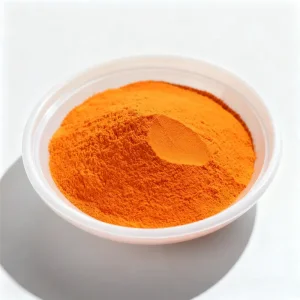
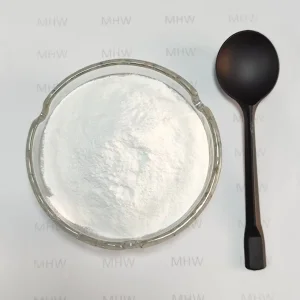
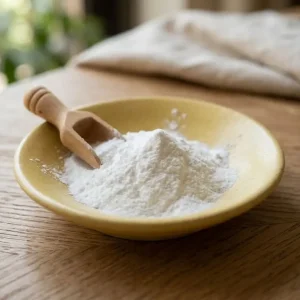
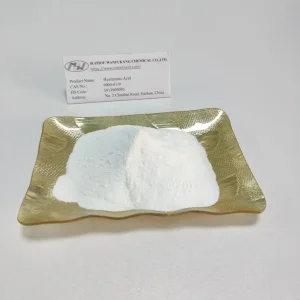
Nutraceutical & Specialty Formulation Grade Products
Explore our specialized range, including dietary supplement options, low heavy metal powders, Halal-certified ingredients, and coenzymes.
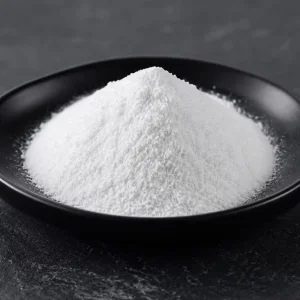 Customized Sourcing Solutions
Looking for custom molecular weight blends, specific bulk volumes, or technical compliance documents? Contact our team to design a sourcing plan tailored to your project.
Request a Custom Proposal