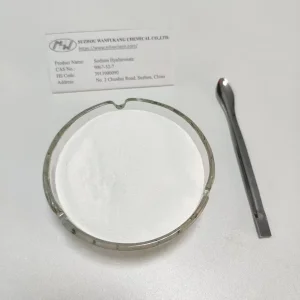
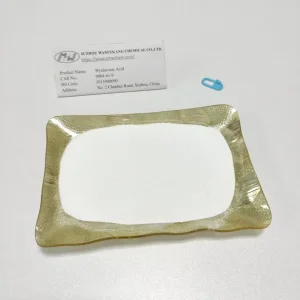
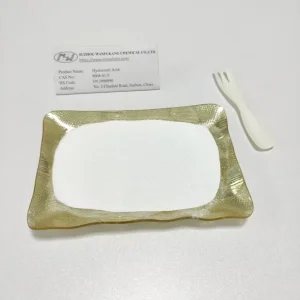
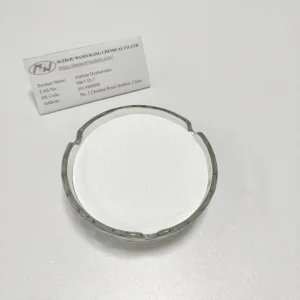
Explore our premium grade cosmetic and edible hyaluronic acid selections. Standardized molecular weight distributions with high safety limits.
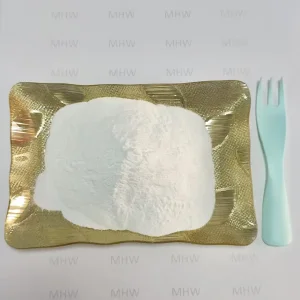
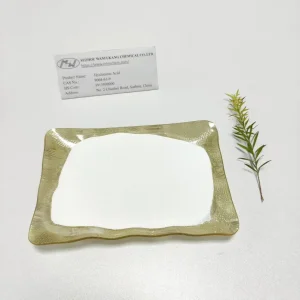
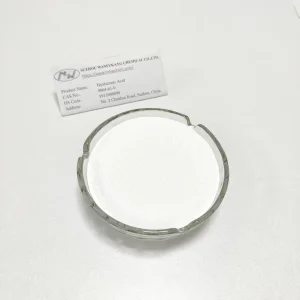
Historically utilized as an elite ingredient in topical serums and intra-articular injections, Hyaluronic Acid (HA) or Sodium Hyaluronate has firmly transitioned into a global mainstream dietary active. Driven by the "beauty-from-within" (nutricosmetics) trend and proactive aging populations, the global demand for food-grade and dietary-supplement-grade sodium hyaluronate is growing at an unprecedented CAGR of over 8.2%.
The regulatory landscape has also evolved. Key approvals from safety authorities including the United States FDA (Self-Affirmed GRAS), European Food Safety Authority (EFSA), and China’s National Health Commission (which approved Sodium Hyaluronate as a novel food ingredient for general dietary products in early 2021) have unlocked vast product formulation opportunities in beverages, dairy, functional confectioneries, and soft capsules.
Sourcing partners now look beyond mere supply. They demand strict control over molecular weight distributions (MWD), high bioavailability profile validation, microbial compliance, and ecological fermentation methods that minimize carbon footprints.

Chinese factories account for over 70% of the world's raw sodium hyaluronate production. Here is how Suzhou Wanfukang Chemical Co., Ltd. delivers global efficiency and quality advantages.
By utilizing Streptococcus zooepidemicus strains on advanced microbial fermentation platforms, Chinese plants run continuously with optimized yield efficiency. This yields highly consistent molecular weights from ultra-low (Oligo-HA) to ultra-high (>1.8 MDa) ranges, mitigating batch-to-batch variability.
Suzhou Wanfukang Chemical integrates in-house and third-party laboratory verification (HPLC, SEC-MALLS) to monitor heavy metal levels, protein residues, and microbiological activity. Our products strictly comply with the United States Pharmacopeia (USP) and European Pharmacopoeia (EP) specifications.
Our centralized hub in Suzhou coordinates inquiries, factory audits, customs clearances, and warehousing. We minimize supply chain lag with strategically positioned dispatch facilities, offering safe and rapid delivery cycles within 3-7 business days across continents.
Different markets require different hyaluronic acid molecular weights. Here is how leading brands integrate our dietary ingredients to optimize efficacy.
In oral beauty formulations, low to medium molecular weight sodium hyaluronate (ranging between 200 kDa and 1,000 kDa) is favored for its quick intestinal absorption. It acts dynamically inside the dermal layers to promote collagen synthesis, lock in moisture, and alleviate fine wrinkles from the inside out.
Common Formats: Gummies, collagen-HA powder blends, and soft-gel capsules.
High molecular weight (HMW) hyaluronic acid (>1.2 MDa) mimics the natural macromolecular structure of joint lubrication fluids. Sourced by sports nutrition brands, it provides mechanical cushioning, dampens joint friction, and exhibits anti-inflammatory support in osteoarthritis-targeted formulas.
Common Formats: Joint-care tablets, liquid health shots, and animal health supplements.
For RTD (Ready-To-Drink) functional waters and sodas, excellent cold-water solubility and zero sensory alteration are essential. Our food-grade water-soluble powders exhibit perfect clarity and thermal stability during pasteurization processes without increasing product viscosity.
Common Formats: Mineral water, collagen wellness sodas, and concentrated syrups.
Premium eye-drop grade sodium hyaluronate requires minimal endotoxins, heavy metals, and protein content. It acts as a physical lubricant in artificial tears, offering prolonged corneal wetness and shielding the eye surface from irritation.
Common Formats: Sterile multi-dose eye drops, contact lens conditioning solutions, and dry-eye gels.
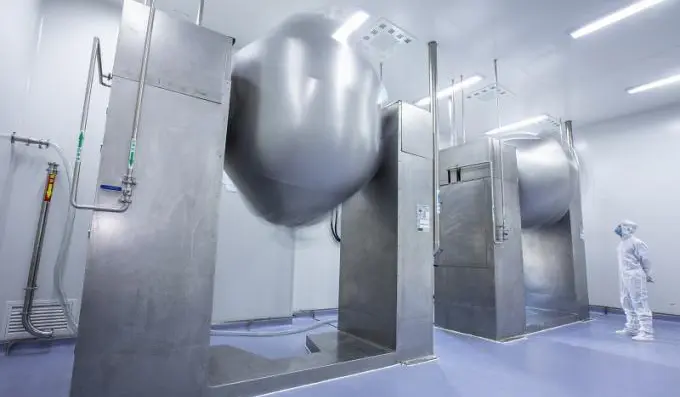
The dietary hyaluronic acid market is rapidly evolving from basic hydration powders into highly specific, engineered structures designed to maximize metabolic pathways. Procurement managers and formulation scientists should watch these three primary macro trends:
Standard sodium hyaluronate has a large molecular footprint. Modern factories are shifting to enzymatic degradation technologies to produce Oligo-Sodium Hyaluronate (molecular weight <10 kDa). When paired with high molecular weight variations in a multi-stage formulation, this provides both immediate tissue hydration and deep, long-term cellular absorption.
Regulatory bodies and end consumers reject avian-derived (rooster comb) products due to allergen risks and non-vegan sourcing. Modern fermentation routes utilize plant-derived substrates (such as corn starch and wheat peptone), aligning with clean-label, vegan-friendly, Kosher, and Halal specifications.
B2B buyers prefer purchasing ready-to-fill dry blends over raw individual components. Sourcing partners like Suzhou Wanfukang Chemical optimize this process by co-processing Sodium Hyaluronate with complementary actives such as Hydrolyzed Collagen, Vitamin C, Coenzyme Q10, and Elastin into a singular, highly uniform pre-blend.
Through our comprehensive shipping logistics and custom packaging updates, Suzhou Wanfukang ensures safe transit across multiple regional regulatory zones.

We leverage Suzhou's strong logistical hubs to deliver raw ingredients worldwide. Our supply chain is structured to adapt dynamically to regional requirements (customs declaration updates, importing permits, and specialized protective containers).
We offer more than raw chemical distribution; we manage risk and build partnerships through five operational principles.
Leveraging our years of experience, advanced technology, and continuous research, our quality fully meets market demands and customer requirements. Numerous customers have proven our commitment to quality through long-term use and repeat purchases. Quality is not only our core competitiveness, but also the cornerstone of our company's sustainable growth strategy.
Our shipping methods vary depending on the specific country. Our packaging is constantly updated and improved based on the latest customs regulations. We guarantee that you will receive your product within 3-7 business days, minimizing production downtime for manufacturing plants.
We offer a comprehensive product line, covering a variety of raw material powders and liquid formulations to meet the needs of various industries and applications. Whether for industrial processing, laboratory research and development, or specialized applications in specific fields, we can find the right solution for you.
We are customer-centric and provide comprehensive pre-sales and after-sales support. During the pre-sales phase, our professional team will recommend suitable products based on customer needs and answer technical questions. During the after-sales phase, we will continuously monitor customer usage and promptly resolve any issues.
We prioritize customer protection. If a sample fails testing and is confirmed to be a quality issue, we will immediately initiate a reshipment process and resend a qualified sample or ordered product free of charge. We will also cover any associated logistics costs to ensure you incur no financial loss.
Struggling with raw material solubility, particle size variance, or certification compliance? Let our technical specialists optimize your raw materials portfolio. Fill out your targeted requirements below for a customized proposal.

Expert answers to critical chemical, functional, and logistics questions concerning bulk Dietary Hyaluronic Acid procurement.
Generally, under ideal storage conditions (sealed, cool, dry, and protected from light), food-grade sodium hyaluronate powder has a stable shelf life of 24 months. Because the molecule is hygroscopic, any exposure to humidity can cause clumping, though it typically does not degrade the underlying biological activity unless paired with excessive heat.
Higher molecular weight (HMW) sodium hyaluronate creates a highly viscous gel network when dissolved in water, which can affect the mouthfeel of drinks. In contrast, ultra-low molecular weight (LMW) or Oligo-HA dissolves easily without increasing viscosity, making it the preferred choice for RTD teas, wellness sodas, and liquid drops where a light texture is desired.
Clinical studies using radiolabeled hyaluronic acid have demonstrated that once ingested, the molecule is degraded by intestinal microflora into oligosaccharides. These compounds are then absorbed through the digestive tract, entering the lymphatic and blood systems. From there, they reach target tissues like skin and joint cartilage, stimulating endogenous HA synthesis.
All our dietary sodium hyaluronate products are produced through microbial fermentation using Streptococcus zooepidemicus on a non-animal culture medium (typically utilizing glucose or starch raw materials). This process avoids animal-derived raw materials, eliminating the risks of BSE/TSE contamination and ensuring compliance with vegan, Halal, and Kosher requirements.
Yes. We provide pre-shipment testing samples along with a matching batch Certificate of Analysis (COA). If any quality issue arises during your lab trial, our Reshipment Policy guarantees immediate support, including free replacement samples and technical assistance from our formulation engineers.
From high-purity cosmetic formulations to food-grade functional powders, discover our range of specialized raw materials.