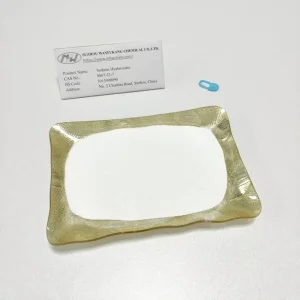
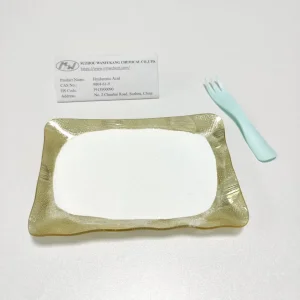
Explore our core manufacturer product lineup, engineered for optimal transdermal delivery and supreme cosmetic efficacy.
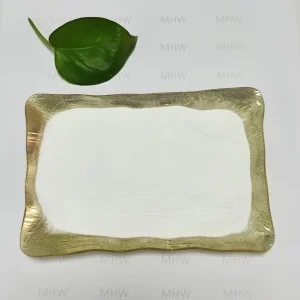
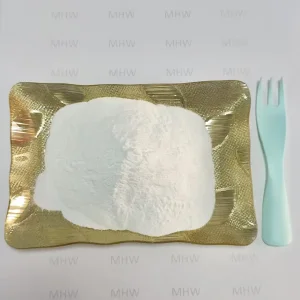
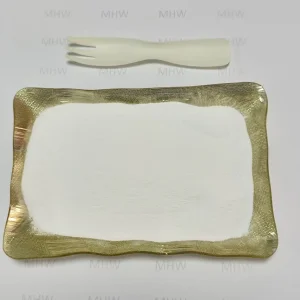
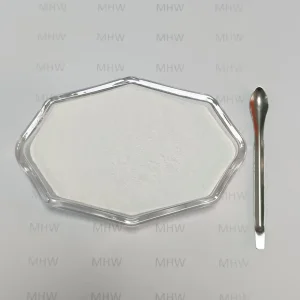
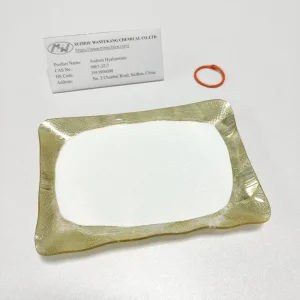
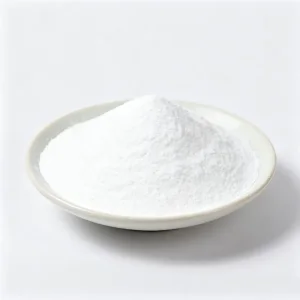
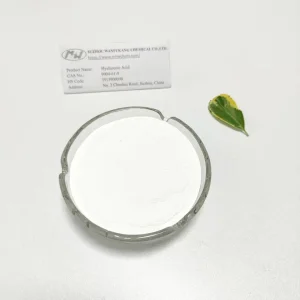
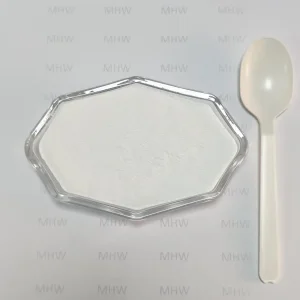
Suzhou Wanfukang Chemical Co., Ltd. is a pioneering force founded in 2016, specializing in the research, development, formulation, and global export of advanced cosmetic and nutritional ingredients. Based in China, our robust manufacturing operations are backed by years of deep biotechnological expertise, yielding state-of-the-art hyaluronic acid products.
As a leading raw material manufacturer and custom service provider, we facilitate everything from molecular customization, regulatory documentation support, and third-party laboratory audits to optimized logistics. We serve premium cosmetic brands, pharmaceutical laboratories, and nutraceutical manufacturers worldwide, ensuring every batch meets rigorous international standards.
A comprehensive analysis of the Hyaluronic Acid industry, tracking market demand, molecular diversity, and standardizations.
Hyaluronic Acid (HA) has evolved from a simple moisturizing cosmetic additive into the cornerstone of global dermatology, anti-aging therapies, and clinical skincare formulations. With a global market size projected to surpass USD 15 billion in the coming years, the commercial value of Hyaluronic Acid face creams rests on their ability to deliver multi-depth hydration. Skincare brands no longer demand simple sodium hyaluronate; they require precision-engineered molecular profiles.
In the industrial manufacturing ecosystem, Suzhou Wanfukang Chemical Co., Ltd. stands at the intersection of biological synthesis and chemical engineering. By utilizing advanced microbial fermentation (specifically from non-GMO strains like Streptococcus zooepidemicus), we produce ultra-pure cosmetic and pharmaceutical-grade hyaluronate powder. This method has completely replaced old animal-extraction pathways, ensuring a sustainable, cruelty-free, and highly reproducible supply chain that aligns with global green chemistry initiatives.
How our laboratory manages molecular weights, cross-linking kinetics, and formulation stability.
Using high-yield glucose substrates and precision temperature controls, our fermentation process yields consistent molecular structures without the use of animal products or toxins.
Controlled hydrolysis breaks down large polymers into specific fractions, down to the targeted 7-10 kDa ultra-low range, which penetrates intercellular spaces for deep hydration.
Through rigorous alcohol precipitation and cross-flow filtration, we achieve an active assay score exceeding 95%, removing heavy metals, proteins, and cellular nucleic acids.
Adapting formulation viscosity, absorption speed, and stability for varying climate zones and regulatory markets.
Brands in the US and Canada favor clinical-grade, highly-concentrated serums and creams. They require minimal auxiliary ingredients, transparent sourcing (non-GMO, gluten-free), and robust compatibility testing with active exfoliants like AHAs, BHAs, and retinol.
European Union cosmetics guidelines impose strict concentration limits and raw material origins. Our COSMOS-compliant raw materials satisfy European standards, ensuring zero residual organic solvents (such as ethanol or acetone) and allowing brands to maintain Ecocert status.
The East Asian market prioritizes highly watery, fast-absorbing essences and lotions. Formulations must exhibit zero stickiness. By combining 7-10 kDa ultra-low molecular hyaluronate with traditional skin-brighteners, manufacturers meet the regional demand for the "glass skin" aesthetic.
In regions like Australia and South Africa, high UV exposure leads to chronic trans-epidermal water loss (TEWL) and barrier disruption. Heavy night creams formulated with high molecular weight sodium hyaluronate are paired with soothing liposomes to lock in moisture.
Suzhou Wanfukang goes beyond simple ingredient supply, providing end-to-end support for contract manufacturers.
Backed by our years of chemical engineering experience and continuous research, our batches undergo extensive quality checks, ensuring conformity with USP, EP, and JP standards. We offer in-house and third-party laboratory tests for every order.
We tailor shipping strategies based on destination customs profiles. Packages are updated continuously to survive fluctuations in humidity and temperature, guaranteeing delivery to your production facilities within 3-7 business days.
Our raw material portfolio contains over 600 ingredients, spanning cosmetic-grade sodium hyaluronate powders, food-grade powders, chondroitin sulfate, and specific water-soluble active solutions tailored for creams, ointments, and drops.
From pre-sales formulation consultation to after-sales stability testing, our professional team provides formulation tips, dissolution methods, and chemical compatibility analyses to optimize your industrial manufacturing processes.
We prioritize global partner security. In the rare event that a sample or bulk shipment fails to meet specifications confirmed by an independent laboratory test, we immediately initiate our free-of-charge replacement protocol, covering all logistics costs.
Connecting raw material supply chains with premium cosmetic brands across six continents.


Every brand has a unique cosmetic story. Whether you require a high-potency night cream, a light gel-cream for sensitive skin, or clinical post-procedure ointments, our engineers can tailor the density, molecular weight ratio, and active components to suit your market position.
We provide full documents, including CoA, MSDS, microbial clearance reports, and heavy metal validation, helping your regulatory team fast-track formulations in domestic and export markets.
Technical answers from our laboratory experts on formulation chemistry, molecular weight properties, and shipping parameters.
For most daily hydrating face creams, an active sodium hyaluronate level between 0.1% and 2.0% is ideal. Going beyond 2% can lead to sticky aesthetics or drawing moisture out of the deeper skin layers in dry climates. By combining multiple molecular weights, we achieve high efficacy without causing sticky residue.
CAS No 9067-32-7 corresponds to the chemical compound Sodium Hyaluronate. Structurally, it can range from ultra-low molecular weight (7-10 kDa) to high molecular weight (>2.0 MDa). The CAS number is identical, but their biological function changes: low molecular weights penetrate the skin to assist with collagen synthesis, while high molecular weights build a barrier film on the skin surface to lock in moisture.
Sodium hyaluronate is stable within a pH range of 5.5 to 8.5. Exposure to strong acids or high heat during manufacturing can shear the molecular chains and reduce viscosity. We advise adding the pre-dissolved hyaluronate solution during the cooling phase (below 40°C) of the cream emulsion process.
Yes, our entire cosmetic-grade sodium hyaluronate line is manufactured using non-pathogenic microbial fermentation of plant-derived substrates. We do not use animal ingredients, which satisfies the requirements for vegan, clean, and cruelty-free cosmetics.
Yes, Sodium Hyaluronate acts as an excellent delivery vehicle for other actives. However, when formulating with acidic actives like L-Ascorbic Acid, ensure the pH doesn't drop below 5.0 to protect the hyaluronate polymer from breaking down over time.
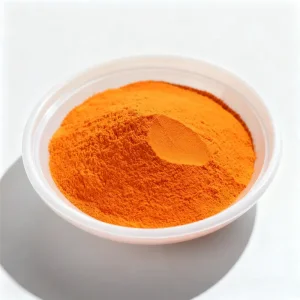
Complete your formulation roadmap with our specialized food-grade, eye-drop-grade, and compound active ingredients.