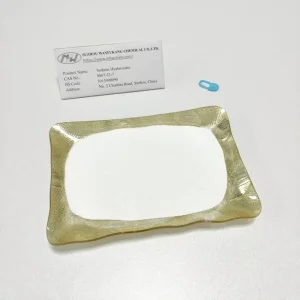
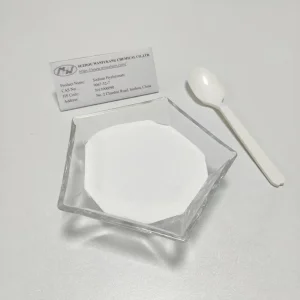
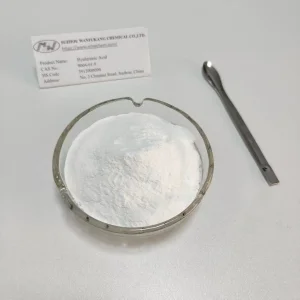
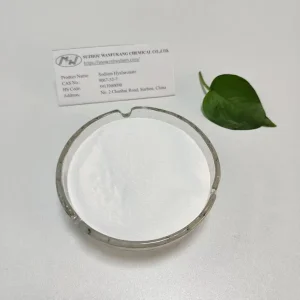
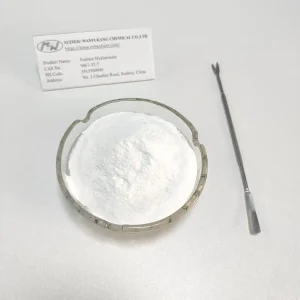
In the modern biochemical sector, the synergy between Hyaluronic Acid (HA) and Lactic Acid (LA) represents a fundamental pillar of active cosmetic formulations, clinical skincare, nutricosmetics, and green biodegradable materials. Both ingredients leverage bio-fermentation processes, positioning them at the forefront of the sustainable clean-beauty transition and ecological chemical synthesis. As global regulatory bodies impose tighter restrictions on petrochemical derivatives, microbial-synthesized biopolymers and organic acids have seen unprecedented CAGR growth projections over the 2024–2030 forecast window.
China has established itself as the epicenter of this industrial ecosystem, controlling over 70% of the global production capacity for raw sodium hyaluronate. Driven by infrastructure scaling, raw materials availability, and rapid technological innovations in synthetic biology, Chinese manufacturers are setting global quality standards. For sourcing procurement departments worldwide, partnering directly with optimized, integrated Chinese factories is no longer just a cost-efficiency decision; it is a critical strategy for securing supply chain resilience, advanced customized molecular weight specifications, and technical formulation support.
Understanding the exact biochemical characteristics of these raw materials is essential for choosing the correct grade for specific cosmetic and food applications:
Our Hyaluronic Acid is synthesized via the fermentation of Streptococcus zooepidemicus on a plant-derived carbohydrate medium. This ensures complete freedom from avian or other animal proteins, preventing allergen contamination and assuring high purity.
Through precise enzyme-catalyzed degradation, we control Dalton profiles: High Molecular Weight (HMW) (>1.8 MDa) for skin barrier film formation, and Oligo-HA (<10 kDa) for deep transdermal absorption and cellular signal transduction.
For Lactic Acid, we emphasize the biocatalytic transformation of glucose into L-lactic acid with optical purity exceeding 99%. This isomer is highly bio-compatible with mammalian skin tissues, optimizing the exfoliating action of Alpha-Hydroxy Acids (AHAs).
In topical cosmetic applications, Hyaluronic Acid and Lactic Acid function as a highly efficient synergistic pair. Lactic Acid acts as a keratolytic agent, breaking down the desmosomes that bind dead cells in the stratum corneum. This mild exfoliation thins the outer cornified barrier, allowing different molecular weights of Hyaluronic Acid (such as 500-800 kDa and low molecular weight variants) to penetrate deeper into the epidermis, enhancing water retention and cellular hydration.
The applications for these two ingredients vary significantly based on industry specifications and local target demographics:
In high-end skincare, Lactic Acid acts as a cell-renewal stimulator, while Sodium Hyaluronate acts as the moisture balance regulator. High-purity cosmetic formulations utilize cosmetic-grade sodium hyaluronate powder (such as CAS No. 9067-32-7) in concentrations ranging from 0.1% to 2.0%. High molecular weight variants create a non-occlusive hydrating film on the stratum corneum, while hydrolyzed low molecular weight forms penetrate the epidermis to reduce wrinkle depth.
The integration of food-grade sodium hyaluronate into health beverages and supplements has experienced substantial growth in East Asia and European markets. Edible hyaluronic acid with molecular weights between 800 kDa and 1.5 MDa is absorbed through the intestinal system, stimulating endogenous HA synthesis in articular joints and skin tissues. Paired with food-grade prebiotic lactic acid, this combination helps stabilize gut microbiota, leading to improved systemic skin hydration and joint lubrication.
Ophthalmic formulations require highly purified, non-animal-derived eye drop grade sodium hyaluronate. The production of this grade requires strict adherence to endotoxin control guidelines (<0.05 IU/mg) and ultra-low protein contamination thresholds. This helps prevent inflammatory reactions when used in artificial tears, dry-eye therapies, and surgical viscoelastic devices.
Suzhou Wanfukang Chemical Co., Ltd. is an innovative company founded in 2016, specializing in the development and export of cosmetic and food ingredients. Our production base is located in China and boasts many years of experience and is highly established. As a top raw material supplier in various sectors in China, we offer a wide range of raw materials and provide comprehensive services including: Inquiries, Technical support, Orders, Quality control, In-house and third-party laboratory testing, Factory audits, Logistics, Warehousing, and complaint handling.
Our expertise and reputation in sourcing benefit our global partners. Our mission is to provide the broadest range of high-quality raw materials and one-stop comprehensive sourcing services to meet the needs of all customers and promote human well-being.

Years Industry Experience
Annual Sales Volume
Export Destination Countries
Raw Material Portfolio
China's dominance in the biopolymer and organic acid sectors is driven by concentrated chemical clusters, advanced fermentation technology, and integrated supply networks. The Yangtze River Delta and surrounding provinces house the world's most advanced bio-manufacturing bases, offering clear advantages for international buyers:
Leveraging our years of experience, advanced technology, and continuous research, our quality fully meets market demands and customer requirements. Numerous customers have proven our commitment to quality through long-term use and repeat purchases. Quality is not only our core competitiveness, but also the baseline for every batch of Hyaluronic and Lactic Acid we deliver.
Our shipping methods vary depending on the specific country. Our packaging is constantly updated and improved based on the latest customs regulations. We guarantee that you will receive your product within 3-7 business days, utilizing specialized moisture-controlled containment.
We offer a comprehensive product line, covering a variety of raw material powders and liquid formulations to meet the needs of various industries and applications. Whether for industrial processing, laboratory research and development, or specialized applications in specific fields, we can find the right solution for you.
We are customer-centric and provide comprehensive pre-sales and after-sales support. During the pre-sales phase, our professional team will recommend suitable products based on customer needs and answer technical questions. During the after-sales phase, we will continuously monitor customer usage and promptly resolve any issues.
We prioritize customer protection. If a sample fails testing and is confirmed to be a quality issue, we will immediately initiate a reshipment process and resend a qualified sample or ordered product free of charge. We will also cover any associated logistics costs.
Exporting raw active ingredients to regulated cosmetics and food markets in North America, the EU, and East Asia requires strict quality control measures. Modern clean-label formulation standards require third-party verification for raw material purity. Suzhou Wanfukang Chemical Co., Ltd. addresses these regulatory requirements with a multi-layered verification framework:
Our quality verification processes check every batch for the following parameters:
Contact Suzhou Wanfukang Chemical's technical team today to request samples, Certificate of Analysis (COA) documents, or custom packaging options for Hyaluronic Acid and Lactic Acid variants.

Microbial fermentation using plant-derived media ensures that the hyaluronic acid is 100% vegan, cruelty-free, and free from animal-derived proteins. This prevents batch contamination, lowers the risk of immunogenic responses, and complies with clean-label beauty regulations in the EU and USA.
A synergistic approach is recommended. High Molecular Weight (HMW) (>1.5 MDa) forms a protective surface barrier to reduce transepidermal water loss. Low Molecular Weight (LMW) (<100 kDa) penetrates the epidermis to hydrate deeper skin layers, while Oligo-HA (<10 kDa) helps support cellular repair.
Lactic Acid, an alpha-hydroxy acid (AHA), exfoliates dead skin cells, smoothing the skin surface and allowing sodium hyaluronate to absorb more efficiently. This combination helps maintain skin moisture levels while promoting natural cell turnover.
Our raw materials comply with international standards, with documentation available for COA, MSDS, GMP, ISO, and non-animal/vegan origin declarations to ensure smooth regulatory clearance.
If a product sample fails independent laboratory testing due to confirmed quality issues, we will arrange for a replacement batch or sample to be shipped free of charge, covering all associated logistics fees.
Yes. Clinical research indicates that oral intake of food-grade sodium hyaluronate (typically between 800 kDa and 1.5 MDa) helps support joint lubrication by increasing synovial fluid viscosity and promoting systemic skin hydration.
We work with trusted logistics partners to expedite shipping processes. Depending on destination customs and shipping methods, typical transit times range between 3 to 7 business days.
Yes, we can customize parameters such as molecular weight profiles, powder mesh sizes, and liquid concentrations to match your specific formulation requirements.