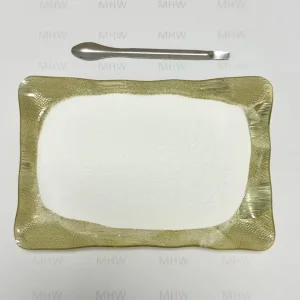
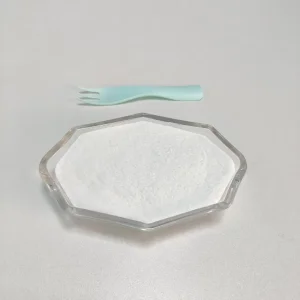
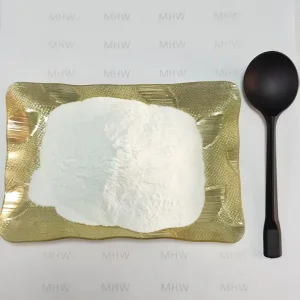
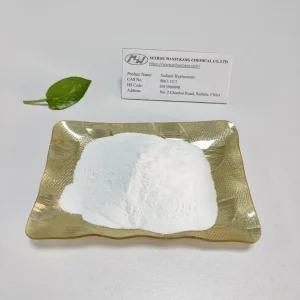
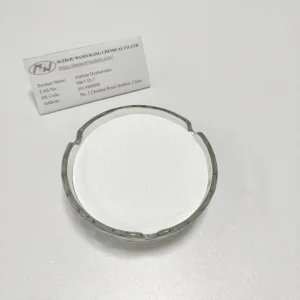
Explore our premium bio-fermented sodium hyaluronate powders and lotion bases, precision-formulated to maximize bio-availability and formulation compatibility.
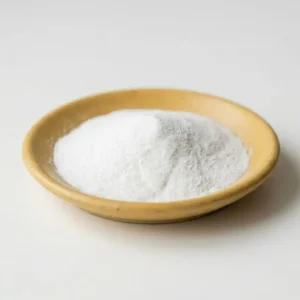
The global pharmaceutical, cosmetic, and nutraceutical spaces are undergoing a structural shift. The historical reliance on avian tissue extraction (specifically rooster combs) for Hyaluronic Acid (HA) production has fallen out of favor due to animal welfare issues, potential cross-species viral contamination, and strict limits on purification consistency. Microbial fermentation technology now serves as the benchmark, with vegetarian sodium hyaluronate leading the evolution.
As a premier industrial bio-fermentation manufacturer, Suzhou Wanfukang Chemical Co., Ltd. addresses the market's demand for high-purity, non-animal-derived polysaccharides. By utilizing non-pathogenic bacterial strains—specifically non-genetically modified Streptococcus zooepidemicus or recombinant food-grade safety strains—we produce HA polymers that align with strict global certifications (Ecocert, Cosmos, Halal, and Kosher). This ensures compliance with ethical standards and clean label requirements while delivering the precise viscoelastic properties, transdermal absorption profiles, and moisture-binding capacities required by modern formulation chemists.
| Parameter Details | Vegetarian Microbial Fermentation (Wanfukang) | Traditional Animal Extraction (Avian/Rooster Comb) |
|---|---|---|
| Raw Material Source | Plant-derived glucose and peptone-rich fermentation media | Avian rooster combs, bovine vitreous humor |
| Heavy Metal & Impurity Risk | Extremely low; highly controlled downstream filtration | Elevated; risk of tissue protein and lipid residues |
| Molecular Weight Customization | Broad range: Oligo (<10 kDa) to High (>2,000 kDa) | Limited adjustment range, high polydispersity index |
| Ethical & Regulatory Alignment | 100% Vegan, Halal, Kosher, Cosmos compliant | Non-compliant with vegan or clean-label requirements |
| Eco-Footprint (Carbon/Water) | Highly efficient, closed-loop batch production | High resource consumption; animal processing waste |
Leading the development and export of cosmetic and food ingredients through innovative chemical synthesis and biological fermentation controls.
Founded in 2016, Suzhou Wanfukang Chemical Co., Ltd. is an innovative chemical and biological ingredients enterprise. Backed by our production facilities in China, we manage comprehensive export and technical operations to ensure our raw materials meet international quality standards. Our product catalog features over 600 ingredients designed for cosmetic manufacturers, dietary supplement brands, and pharmaceutical formulation systems worldwide.
We provide global partners with structured logistical support, factory audits, analytical documentation, and third-party laboratory verification. By streamlining global supply chains from our base in China, we offer technical assistance, regulatory consulting, and custom manufacturing solutions tailored to the needs of modern formulations.
Our vegetarian hyaluronic acid production is driven by controlled microbial fermentation. We utilize optimized growth media containing plant-derived carbon sources (such as glucose derived from corn starch) and inorganic nitrogen compounds. The fermentation process relies on a clean, bio-secure strain that synthesizes sodium hyaluronate extracellularly.
To isolate the biopolymer, the cell culture undergoes multi-stage filtration to remove all cellular debris. We then perform alcohol precipitation, charcoal treatment, and ultra-filtration. This process isolates the sodium hyaluronate molecule without altering its polymer chain length, yielding a high-purity powder with low protein, nucleic acid, and endotoxin levels.
We use enzymatic degradation and thermal depolymerization to adjust the molecular weight of the raw HA. This allows us to supply molecular weights ranging from super-high molecular weights (>2.0 MDa) for film-forming properties to low molecular weights (10–100 kDa) and Oligo-HA (<10 kDa) for deep skin penetration. This flexibility enables formulators to achieve target sensory profiles, viscosity, and hydration characteristics in their final products.
How Suzhou Wanfukang Chemical Co., Ltd. supports global brands and production facilities with end-to-end supply security.
We maintain strict quality control throughout production. Continuous research and development ensure our raw materials meet evolving market and regulatory standards, as demonstrated by long-term customer partnerships and repeat testing protocols.
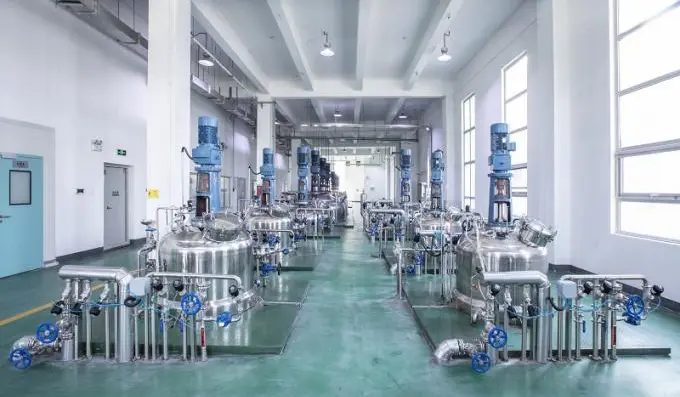
Our shipping methods are customized to the destination country, and packaging is regularly updated in line with global customs guidelines to ensure secure delivery of raw materials within 3 to 7 business days.
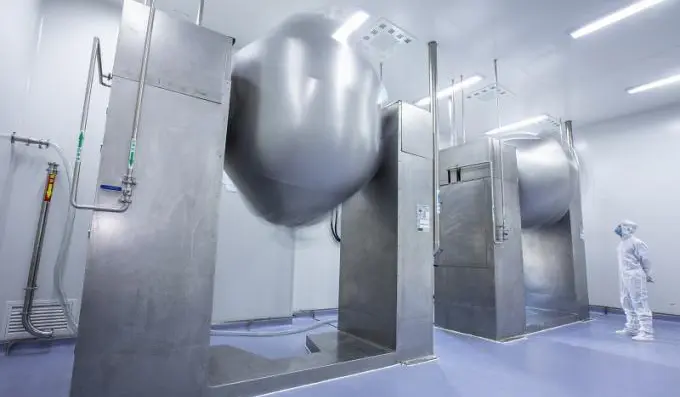
Our catalog features a range of molecular weights in both powder and liquid formats. This diverse selection supports applications in industrial processing, cosmetic formulations, and dietary supplement manufacturing.
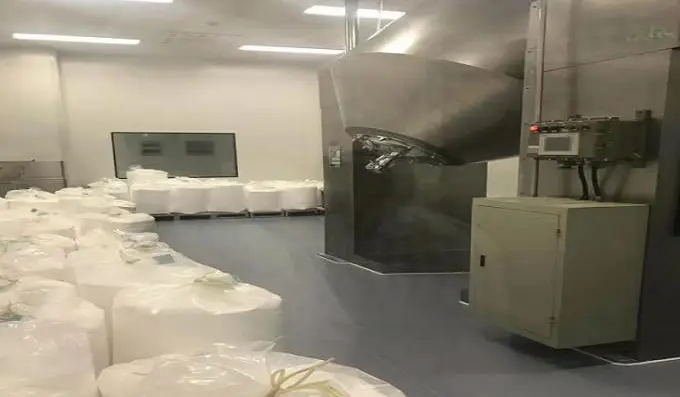
Our technical team provides support throughout the pre-sales and after-sales process. We assist with product selection, formulation compatibility, regulatory documentation, and post-delivery follow-up.
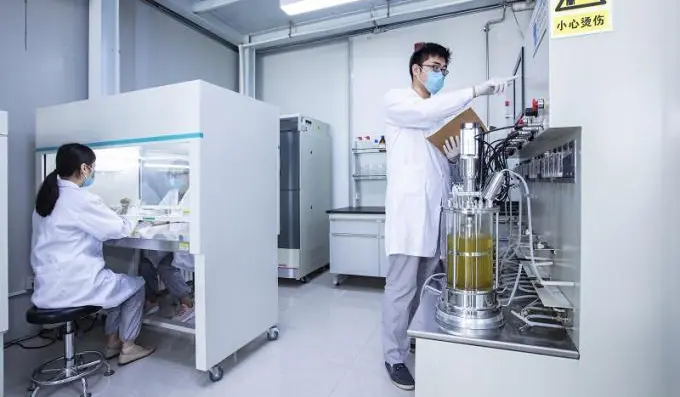
We back our raw materials with a comprehensive satisfaction policy. If a batch fails verification or presents a verified quality issue, we will resend a conforming sample or order free of charge, covering all associated logistics costs.
Different markets present distinct regulatory frameworks for vegetarian sodium hyaluronate. For example, in the European Union, cosmetic formulations must comply with REACH regulations, while food-grade applications require EFSA approvals. In the United States, ingredients must meet FDA GRAS status, and in China, cosmetics must align with NMPA filing standards. Suzhou Wanfukang Chemical Co., Ltd. provides localized documentation, including COA, MSDS, Kosher, Halal, and heavy metal analysis, to help our partners meet their local market entry requirements.
Vegetarian HA operates as a functional ingredient across three primary product categories:
Answers to common technical questions about the production, stability, and application of vegetarian sodium hyaluronate.
Vegetarian hyaluronic acid is produced through microbial fermentation using strains like Streptococcus zooepidemicus on plant-derived media. The bacteria synthesize the polymer chain extracellularly. In contrast, animal-derived HA is extracted directly from tissues like rooster combs or bovine cartilage using acid treatment and organic solvents, which carries higher risks of viral contamination and protein impurities.
We supply molecular weights from under 10 kDa (Oligo-HA) up to 2.2 MDa (High Molecular Weight). Oligo-HA is suitable for transdermal penetration, medium molecular weights (100–1,000 kDa) provide hydration, and high molecular weights (>1.8 MDa) offer viscosity control and barrier protection.
We use multi-stage filtration, adsorption, and ultrafiltration in our downstream processing. This reduces protein residues, nucleic acids, and endotoxins, ensuring our products meet international standards for cosmetic and food-grade ingredients.
Our vegetarian sodium hyaluronate is Kosher and Halal certified, and complies with Ecocert, Cosmos, and international limits for heavy metals and microbiological purity.
It should be stored in its original sealed packaging in a cool, dry, and dark environment (2–10°C is recommended for long-term storage). This protects the polymer chains from moisture, heat, and enzymatic degradation.
Connect with our technical sales and regulatory support teams to request product specifications, safety data sheets, and custom batch configurations.
We provide customized formulation solutions, specialized packaging options, and tailored logistical planning to support your research and production requirements. Contact our customer service team to learn more about our raw material portfolio.

A continuation of our specialized sodium hyaluronate catalog, designed for food additives, cosmetics, and functional beverages.